
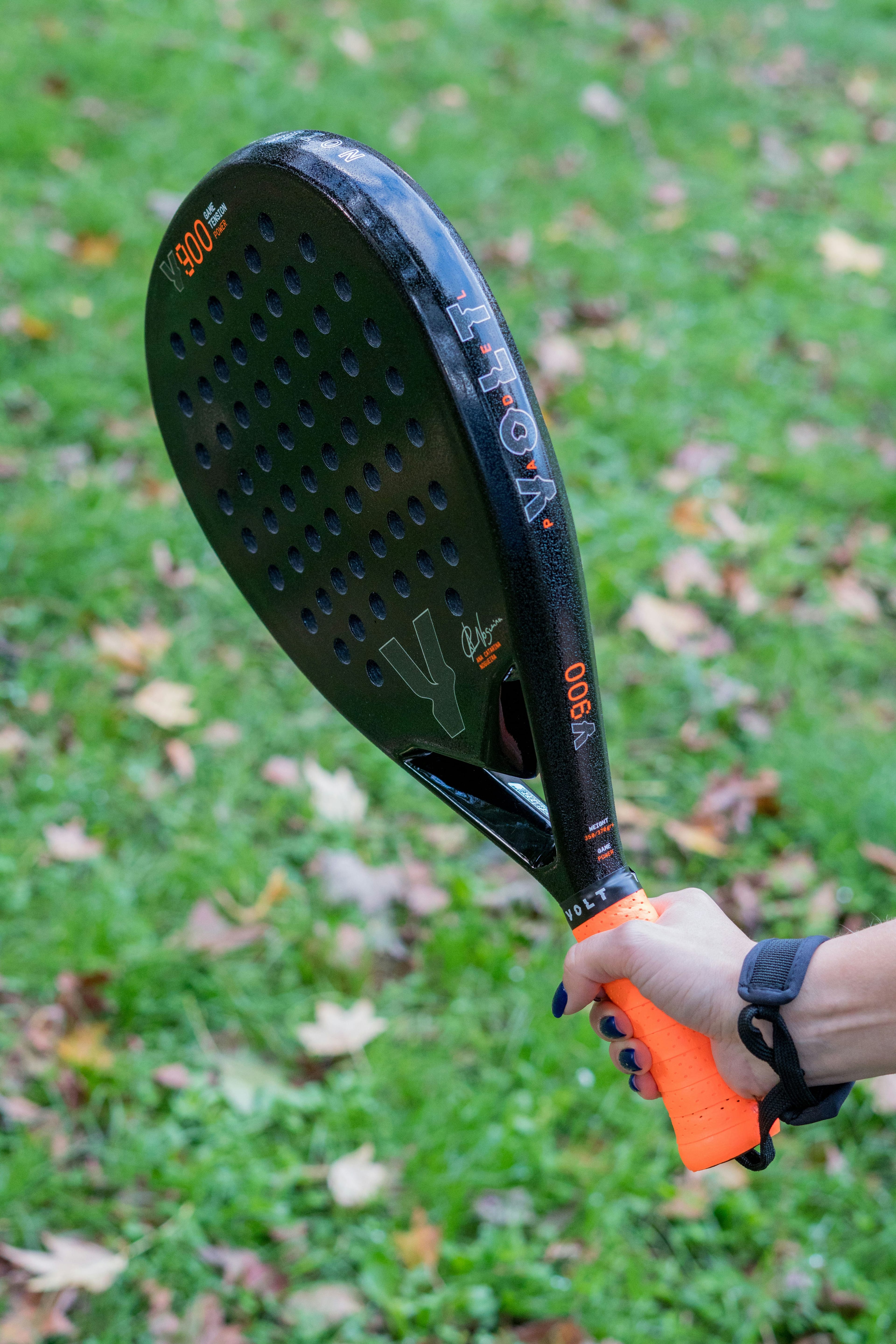
Playing Padel in Hot Weather: A Summer Survival Guide

Playing Padel in Hot Weather: A Summer Survival Guide
How heat changes the ball, the court and your body — and how to keep playing through a US summer.
August splits US padel in two. Across Florida, Texas and Arizona, the outdoor courts sit empty from late morning to early evening while the indoor clubs run waitlists. Here is what the heat actually does — to the ball, to the court and to you — and how to keep playing through it.
Why Padel Feels Hotter Than It Looks
A padel court is enclosed on all four sides by glass and mesh. That enclosure is the point of the sport, and it is also why 95°F on a padel court feels worse than 95°F on a tennis court: the walls kill the crosswind that would otherwise carry heat off your skin and help sweat evaporate.
The movement pattern compounds it: short repeated bursts with almost no walking recovery, so you bank heat faster than the gap between points can shed it. Add three other bodies inside the same cage and the effective temperature runs above whatever your weather app says.
What Heat Does to the Ball and the Court
The ball gets faster, not slower
A padel ball is a pressurised container. Warm the air inside it and the pressure rises, which gives you a livelier ball: higher bounce, more speed off the strings, and a much quicker exit off the back glass. Shots you would normally track down comfortably come off the wall and past you.
So balls go long more often — the swing that landed on the baseline in February sails wide in August. Take pace off and aim shorter than feels right. Balls also die faster in heat: a can that gave you three good sessions in winter may feel flat after two. Our padel ball buying guide covers which models hold pressure best.
The turf runs far hotter than the air
Artificial turf absorbs sunlight instead of releasing moisture the way grass does. Researchers have measured synthetic turf well above 150°F on hot sunny afternoons, with one study recording 200°F on a 98°F day, and padel's sand-filled turf behaves the same way.
So the air at your ankles is hotter than at your head, your shoes conduct heat upward all session, and any contact with the surface is a burn risk rather than a scrape. A court in full sun and one in partial shade are genuinely different environments at identical air temperature.
Low sun turns the glass into a mirror
Summer's other problem is the sun angle, not the temperature. The early and late slots you booked to dodge the heat put the sun low on the horizon, where it bounces off the glass back wall into the eyes of whoever is at the net and washes out lobs against a bright sky. North–south courts suffer less; east–west courts are punishing at both ends of the day.
Adjusting Your Game in Heat
Shorten the point
Long defensive rallies are what wreck you in heat, not the intensity of any single shot. Get to the net earlier and finish there, and lob sooner than you normally would — the lob that gets smashed back in cool conditions is much harder to attack when your opponents are also cooking.
Let the back wall do the running
The faster bounce off the glass is a gift once you stop treating the wall as an emergency. Standing your ground and playing the ball off the glass from a settled position costs you two steps instead of six, and in 100°F those four steps repeated forty times are the whole match. Our guide to using the glass walls covers the footwork.
Take every pause you are entitled to
Walk to the change of ends instead of jogging and use the full break. Serve when you are ready, not the instant the ball is back in your hand — the difference between finishing three sets and calling it after one.
Hydration and Timing
Book before 9am or after 7pm
Scheduling is the highest-leverage adjustment you can make. Surface temperature tracks direct sunlight more closely than air temperature, so the gap between a 7am court and a 1pm court is far bigger than the forecast suggests. In Phoenix, Houston and Miami, summer prime time really is sunrise and post-sunset — which also means those slots go first. Check availability several days ahead rather than the morning of.
Water alone stops being enough after an hour
Athletes working hard in heat commonly sweat one to 2.5 litres per hour, and sodium goes out with it. Plain water is fine for a 60-minute social game; past 90 minutes in real heat, add electrolytes, because drinking large volumes of water while losing that much sodium creates its own problems. Start already hydrated — you cannot catch up mid-match.
The signs that mean stop
Headache, nausea, dizziness, cramping, cool clammy skin despite the heat, a heart rate that will not settle between points, or losing track of the score are early heat-illness signals. The response is to stop, get into shade or air conditioning and rehydrate — not to finish the set. Heat also makes soft-tissue injuries likelier as fatigue degrades your movement, which is worth reading alongside common padel injuries and a short warmup routine.
Gear That Actually Helps
Overgrips. Nothing fails faster in heat than grip. A dry-feel overgrip plus a spare in the bag is the cheapest summer upgrade there is — change it mid-match without apology. See best padel overgrips; Racket Central stocks most of them in the US.
Sunglasses. Worth it specifically for low-sun glare off the back glass. You want a lens that copes with rapid light changes and a frame that will not shift when you look up for a lob — details in best padel sunglasses.
Fabrics and footwear. Light colours, breathable synthetics, a second shirt for the changeover. Because the turf runs so much hotter than the air, sole condition matters more in summer than winter — worn-through shoes transmit a surprising amount of heat. Full breakdown in what to wear to play padel.
Where to Play Indoors When It Is Just Too Hot
One caveat: indoor does not automatically mean air conditioned. Some venues are covered but not cooled, which solves sun and turf temperature but does far less for the air. Worth a phone call before you drive across a metro in August.
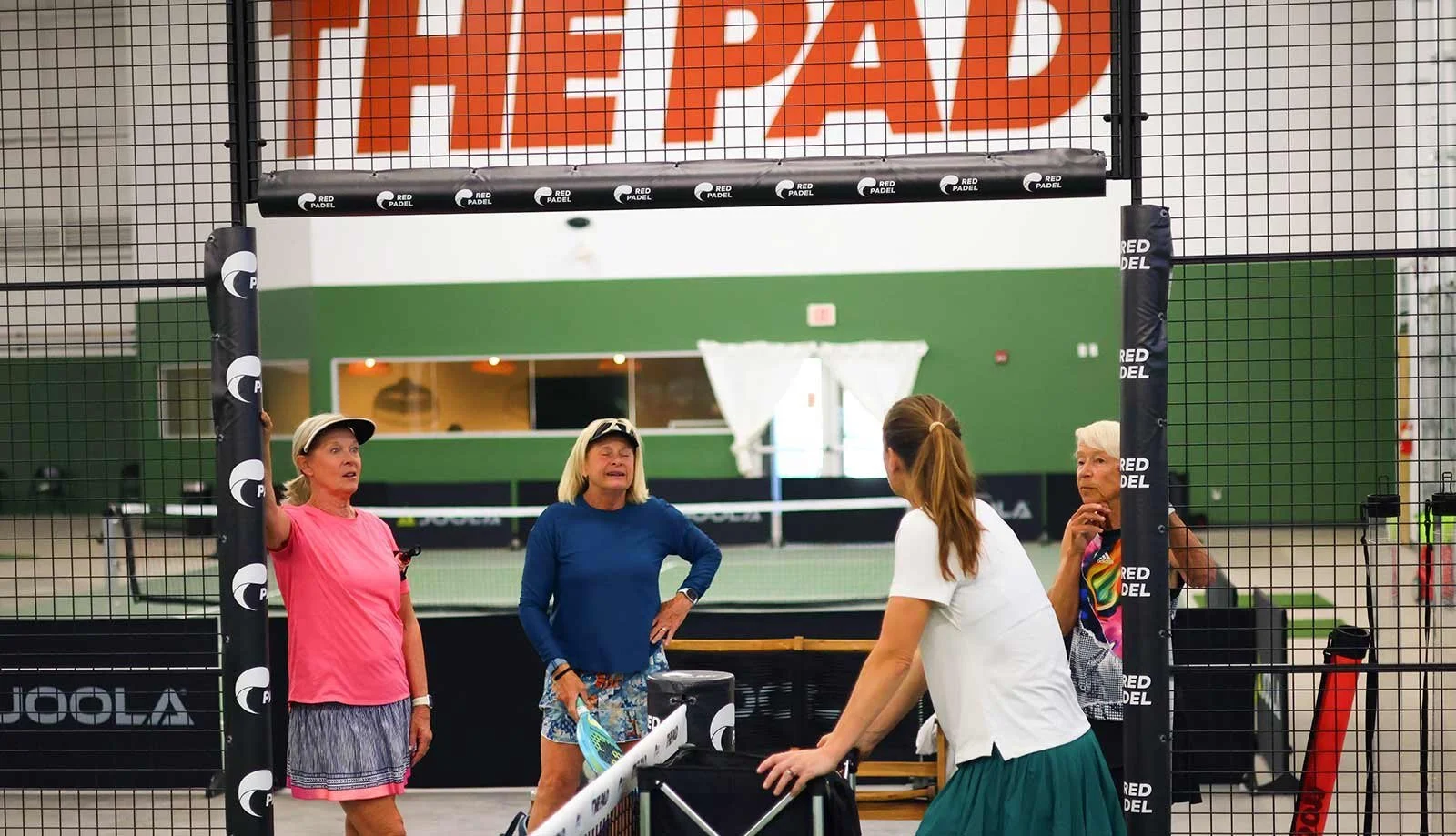
The Pad Tucson
Tucson summers make outdoor padel a sunrise-only sport, which is exactly why The Pad works. Seven courts under 30-foot ceilings in a downtown warehouse, with a cafe and bar attached, so a 2pm July session is a social afternoon rather than an endurance test.
Courts: 7 | Type: Indoor | Ceiling: 30ft | Rating: 4.8★
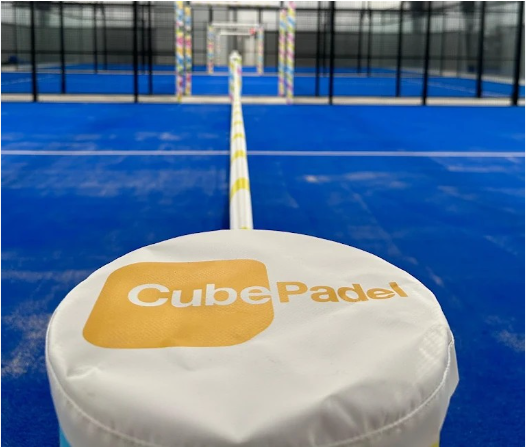
Cube Padel Houston
Houston in August is humidity as much as heat, and humidity is what stops sweat evaporating at all. Cube runs five climate-controlled courts on the northwest side with unusually high 35-foot ceilings — good news if you like to lob — and round-the-clock access.
Courts: 5 | Type: Indoor | Ceiling: 35ft | Rating: 5.0★
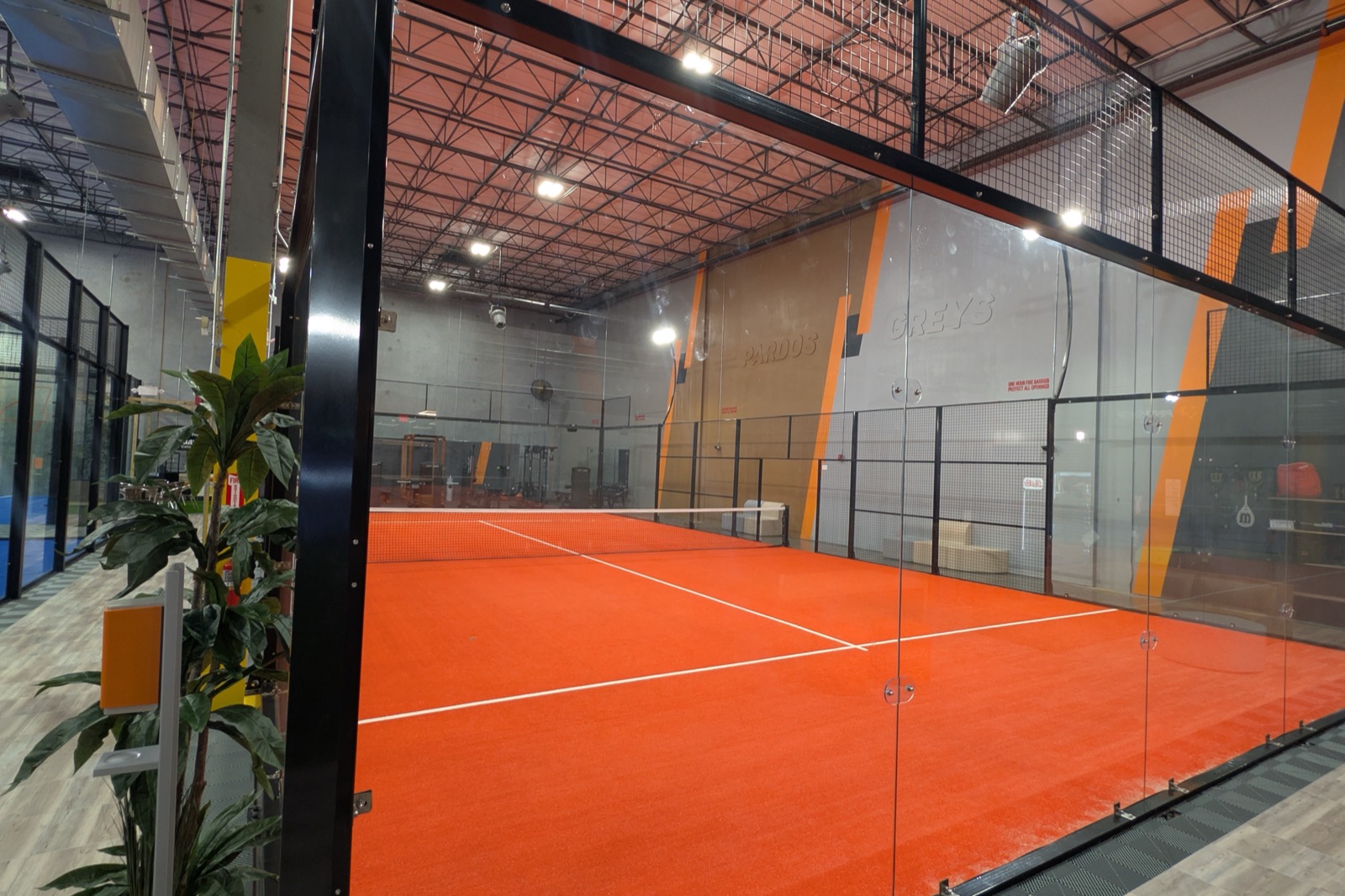
Padel Plus Indoor Racquet Club
Central Florida gets high heat, near-total humidity and an afternoon thunderstorm most days from June through September. Four indoor courts south of the airport, plus a gym and structured coaching, make this the region's default when you do not want a storm cell cancelling your booking.
Courts: 4 | Type: Indoor | Ceiling: 30ft | Rating: 4.8★
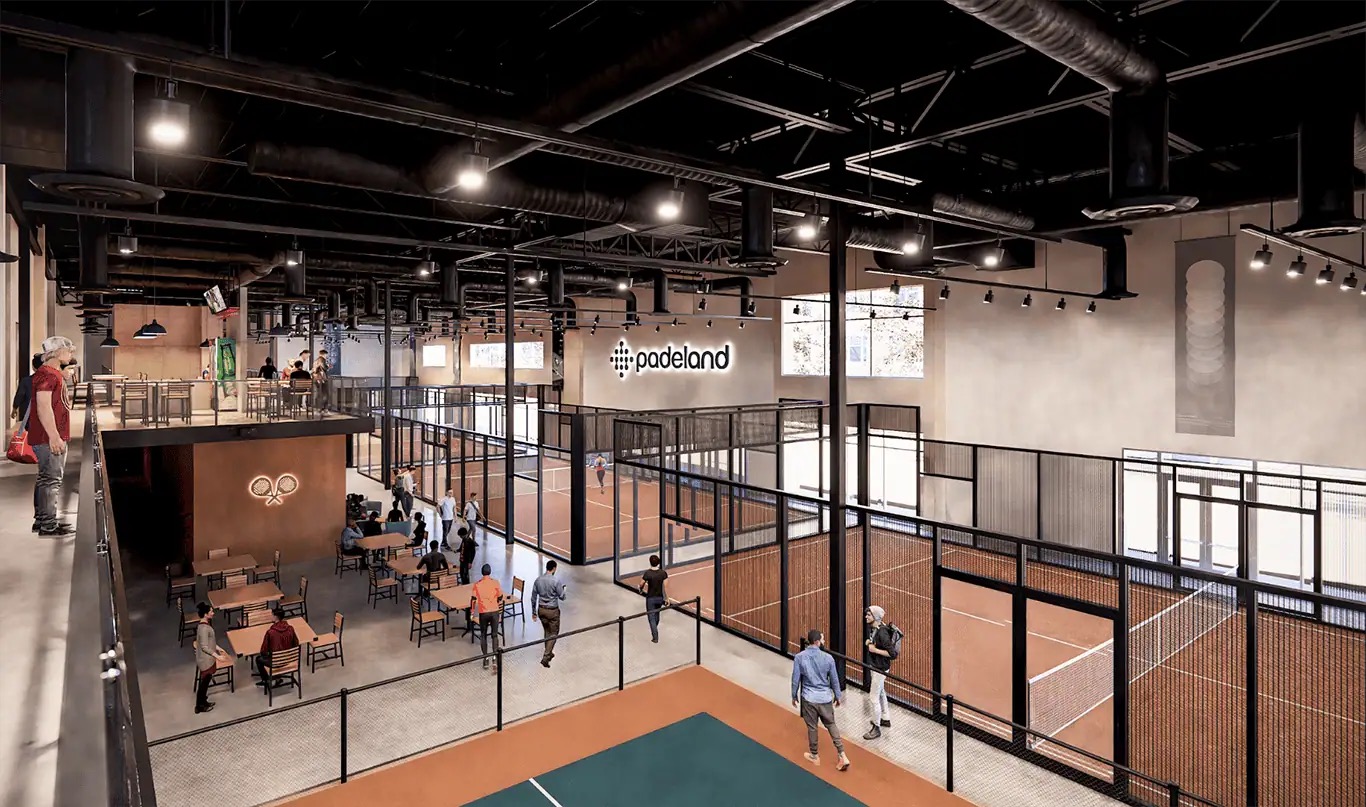
Padeland
Greater Phoenix has been the biggest gap in indoor US padel relative to how badly it needs one. Padeland fills it from a converted 35,000 sq ft cinema in downtown Chandler — four indoor courts alongside a brewery, restaurant and coworking space. Check the club page for opening timing.
Courts: 4 | Type: Indoor | Ceiling: 30ft
Other indoor options
South Florida has the country's deepest indoor supply — Urban Padel in Doral, Xcel Padel West Palm, Replay Club in Boynton Beach. In Texas, U-Padel Woodlands and West43 Padel cover Houston; around Phoenix, Conquer Padel Club in Tempe and PURE Pickleball & Padel in Scottsdale. Some clubs hedge — i95 Padel Club Miami has four indoor courts plus two outdoor — so ask for an indoor court specifically when you book. For how the two setups change the game beyond temperature, see indoor versus outdoor padel.
The Short Version
Book early or late, take pace off because the ball is faster than you think, let the glass do your running, carry a spare overgrip, and treat the turf as a real hazard rather than a talking point. August padel is entirely playable — and when it is not, there is probably an air-conditioned court within driving distance.
Frequently Asked Questions
Continue Reading
Padel Cooldown & Recovery: The 10-Minute Post-Match Routine
Padel Cooldown & Recovery: The 10-Minute Post-Match Routine
Padel's most common injuries are tendinopathies in the Achilles and elbow — the kind that build quietly over months. This is the ten-minute post-match routine that manages them: five stretches, foam roll work, and the refuel window that matters.
Left Side vs Right Side in Padel: Which Side to Play
Left Side vs Right Side in Padel: Which Side to Play
The right side builds the point; the left side finishes it. Here is what each role actually demands on court, why left-handers almost always belong on the right, and a five-step framework for settling sides with a new partner — plus what the pro data does and does not support.
Padel Nutrition and Hydration: What to Eat and Drink
Padel Nutrition and Hydration: What to Eat and Drink
Padel is longer rallies with half the rest of tennis — and often three hours of social play, not one. Here's how to eat and drink around it: pre-match meals, how much to drink per hour, when you need electrolytes, grazing through an Americano, and what to do about the post-match beer.