
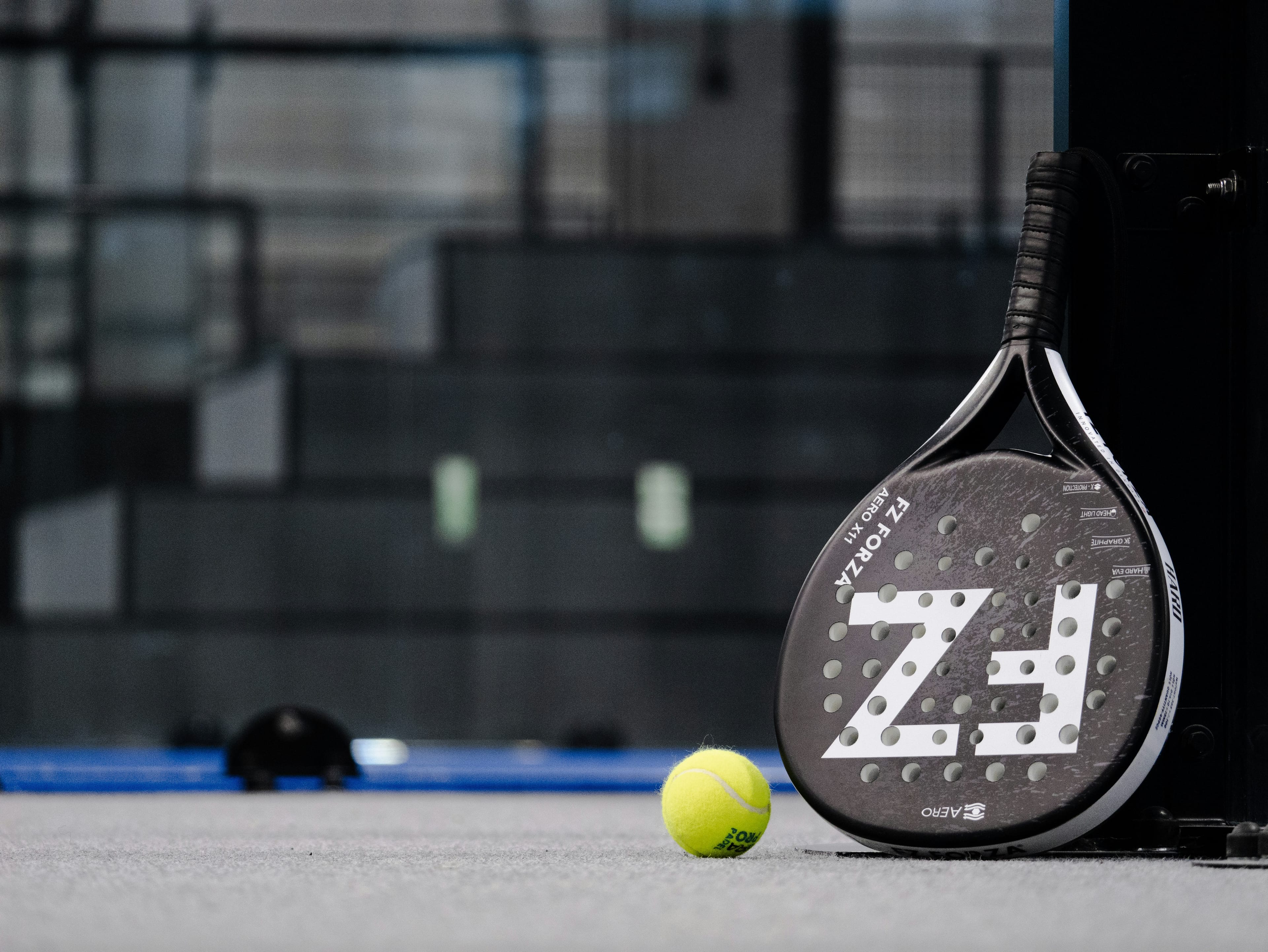
Best Padel Balls 2026: The Complete US Buying Guide
Best Padel Balls 2026: The Complete US Buying Guide
FIP-approved cans, altitude advice, and where to buy from US retailers.
Padel balls look like fuzzy yellow tennis balls. They are not. They sit in a slightly smaller cardboard tube, contain less internal pressure, and hit the wall with a duller thud than the bright "thwack" of a Wilson US Open. Use the wrong can in a match and the rallies feel slow, the bounces feel unpredictable, and the lob you trusted at home suddenly clears the back glass.
This guide compares the five padel balls US players reach for most often in 2026, plus the things you actually need to think about before clicking buy — pressurization, FIP approval, indoor vs. outdoor play, and how altitude changes everything.
How to Choose Padel Balls
Pressurized vs. pressureless
Almost every can sold at Racket Central or Padel USA is pressurized. Pressurized balls have a hollow rubber core filled with gas, which gives them their lively bounce and that sharp pop off the strings. They also lose pressure the moment you peel the can — most players notice meaningful drop-off after 8–12 hours of competitive play.
Pressureless balls trade some of that bounce for durability. They keep their feel for months instead of hours, which makes them ideal for ball machines, drill baskets, and casual hits. Most clubs use them for clinics and beginner programs. They are not legal in FIP-sanctioned events.
FIP approval
FIP (the Fédération Internationale de Padel) certifies balls for size, weight, bounce height, and rebound consistency. If you are entering an A1 Padel, Premier Padel, or US-sanctioned amateur tournament, the ball must be FIP-approved. Tournaments typically supply the official ball — you just need to know which family it belongs to so you can train with something similar.
Indoor vs. outdoor
Indoor courts have no wind, stable temperature, and slightly slower turf. A faster, livelier ball (Wilson Premier, Head Pro S+) plays well here. Outdoor courts in Florida, Texas, and California fight wind and humidity all day — a slower, more controlled ball (Head Pro+, Dunlop Pro) gives you more time to read the bounce.
Altitude and climate
This is the single biggest mistake new US players make. Above 1,000 meters (about 3,280 feet) the air is thinner, and a standard pressurized ball flies and bounces noticeably higher. FIP approves a separate "high altitude" ball spec for play above that threshold.
If you are playing in Colorado, Utah, New Mexico, or anywhere along the Front Range, look for cans labeled "altitude" or "X-Altitude." Standard cans will frustrate you within a single match. At sea level — Miami, Houston, the Carolinas — stick with the standard pressurized ball.
Best Padel Balls for 2026
Head Padel Pro+
The Head Padel Pro+ is the closest thing the sport has to a default. It is the official ball of the Spanish Padel Federation and the workhorse can in clubs from Florida to California. The 2026 reformulated core holds pressure longer than the previous generation, and the felt resists the moisture pickup that plagues outdoor play in humid markets. Medium-slow speed, predictable bounce, forgiving on slightly worn strings.
Speed: Medium | Surface: Indoor & outdoor | Level: All Approx. Price: $9–11 per can | Shop at Racket Central
Wilson Premier Padel
The official ball of the Premier Padel circuit. Wilson''s Duraweave felt is the standout — it absorbs significantly less water and dirt than competitors, which matters if your home court is outdoors and lightly worn. The Premier plays a hair faster than the Head Pro+, with a livelier first bounce. If you like to play attacking padel and trust your reflexes, this is the can to grab.
Speed: Medium-fast | Surface: Indoor (best); outdoor (good) | Level: Intermediate-Advanced Approx. Price: $10–12 per can | Shop at Racket Central
Bullpadel Premium Pro
Bullpadel earned its reputation on the World Padel Tour, and the Premium Pro is the ball most pro-level US tournaments will hand you in 2026. It is a fast ball with sharp reactivity straight out of the can, which favors players who like to take time away from opponents with low, flat shots. It loses pressure faster than the Head Pro+ — plan on a fresh can for any match that matters.
Speed: Fast | Surface: Indoor & outdoor | Level: Advanced / Tournament Approx. Price: $9–10 per can | Shop at Racket Central
Dunlop Pro Padel
The official ball of the FIP. Dunlop wins on durability — the felt and rubber compound holds up for five to six full matches before the bounce visibly softens, which is unusual at this price. The trade-off is feel: the Dunlop Pro is slightly less crisp off the strings than the Head or Wilson. For weekly social padel and league play where you go through cans every week, it is the most economical FIP-approved ball you can buy in the US.
Speed: Medium | Surface: Indoor & outdoor | Level: All Approx. Price: $7–9 per can | Shop Dunlop US
Head Padel Pro S+
The Pro S+ is the faster, harder cousin of the Pro+. Higher internal pressure, more rigid construction, designed specifically for humid sea-level conditions where standard balls go soft within an hour. If your home club is in Miami, Tampa, Houston, or anywhere on the Gulf Coast, the Pro S+ will hold its life through a full evening session in a way the standard Pro+ will not. It is also the choice for outdoor coaches running back-to-back clinics.
Speed: Medium-fast | Surface: Outdoor / humid | Level: All Approx. Price: $10–12 per can | Shop at Racket Central
Padel Balls vs. Tennis Balls
They look similar. They are not interchangeable. Padel balls are slightly smaller (6.35–6.77 cm vs. 6.54–6.86 cm), have lower internal pressure (4.6–5.2 kg/cm² vs. 8.165 kg/cm² for tennis), and bounce 135–145 cm from a 2.54 m drop — about 10% lower than a tennis ball.
Why it matters: a tennis ball played in padel will bounce too high off the back glass, fly too fast off the strings, and sit "dead" on the felt because the rubber compound is wrong for the smaller paddle face. You also cannot play sanctioned matches with tennis balls, and most clubs will ask you to swap them out. If you are unsure what a can is, look for the FIP logo on the side. No logo, not padel.
How Long Do Padel Balls Last?
A pressurized can opened on Saturday morning is a different ball by Sunday afternoon. Realistic expectations:
- Tournament play: New can per match. Most events open a fresh can per round.
- Competitive social: 2–3 hours of play before the bounce noticeably drops. Plan on a new can per session if you care about match feel.
- Casual / weekly hits: A can lasts 3–4 sessions if you store it in a pressurizer tube between hits.
- Drills and ball machines: Use pressureless balls. They last months.
If you want to extend the life of standard cans, an aftermarket ball pressurizer (Tuboplus, Head Pressurizer, Bounce) keeps unopened internal pressure stable and can double useful life. Worth it if you go through more than two cans a week.
Where to Buy Padel Balls in the US
Padel balls are still harder to find at big-box retailers than rackets or shoes. Three online stores cover almost everything you will need:
- Racket Central — Largest US selection. Stocks Head, Wilson, Bullpadel, Dunlop, Babolat, and Adidas. Free shipping over $99 from a Fort Lauderdale warehouse, so most of the East Coast gets two-day delivery.
- Padel USA — Strong on Head and Bullpadel. Good for bulk multi-can bundles.
- Wilson Direct — The place to buy Wilson Premier Padel and Triad with manufacturer pricing on multi-can packs.
A few brick-and-mortar clubs in Florida, Texas, and New York carry cans at the front desk, but pricing is rarely better than online. Order in 4-can bundles to save on shipping.
Picking the Right Ball for Your Court
Most US players overthink ball selection. If you are not sure where to start:
- Indoor club, sea level, social play: Head Padel Pro+
- Outdoor humid, Florida or Gulf Coast: Head Padel Pro S+
- Tournament prep: Bullpadel Premium Pro or Wilson Premier
- Weekly drilling, league play, budget: Dunlop Pro Padel
- Drill baskets and ball machines: Pressureless training balls
- Mountain states above 4,000 ft: Look specifically for "altitude" or "X-Altitude" cans
Your first racket choice matters more than your ball choice — see our best padel rackets for beginners guide if you are also gearing up. And if you are brand new to the sport, the padel rules guide will get you on court faster than reading three more ball reviews.
Frequently Asked Questions
Continue Reading
Padel Racket Grip Size Guide 2026: How to Measure and Choose
Padel Racket Grip Size Guide 2026: How to Measure and Choose
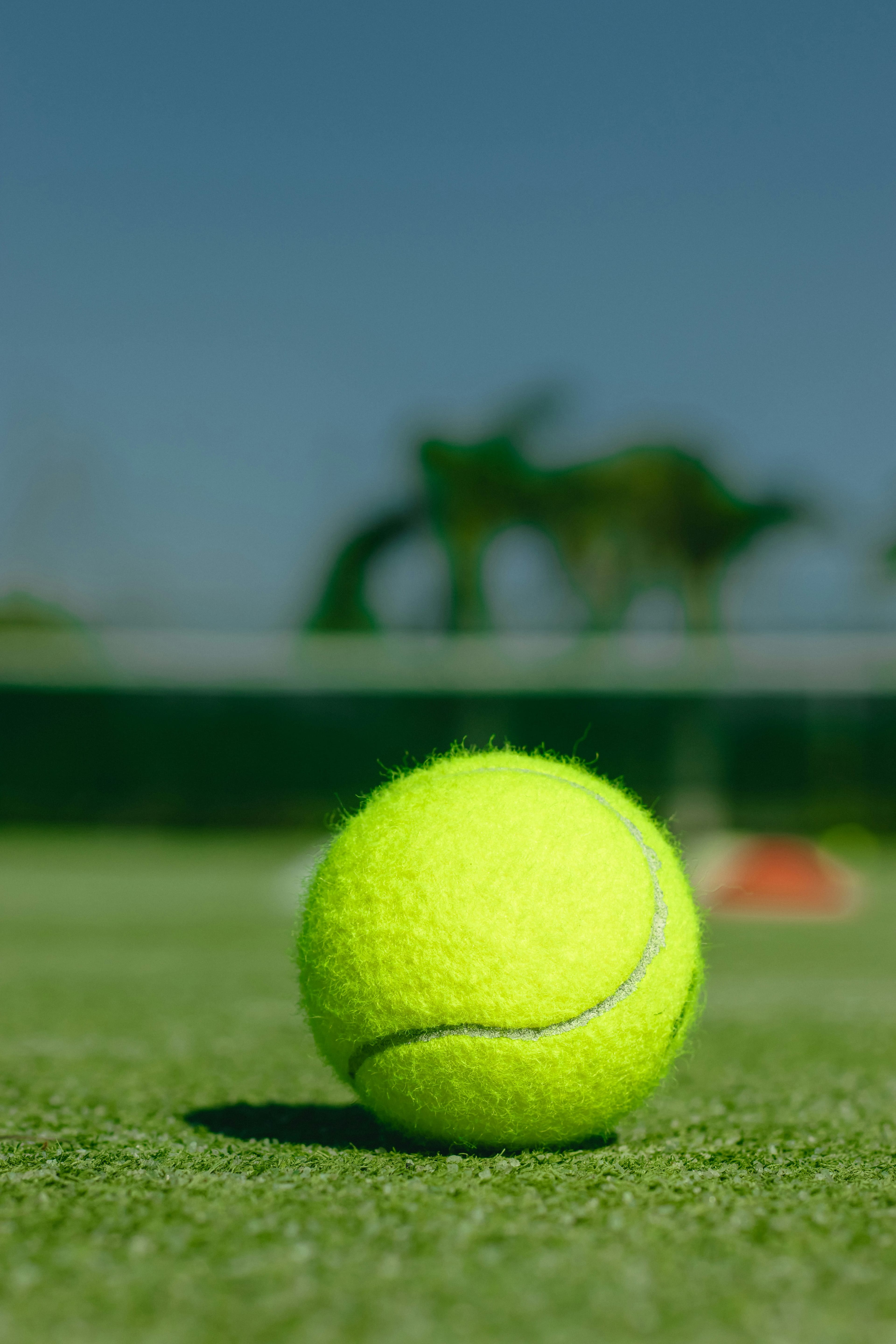
US players searching for padel racket grip size get handed tennis charts — the wrong scale entirely. Here is what L1, L2 and L3 actually mean in padel, three ways to measure at home, and what happened when we checked 304 rackets across three retailers for a grip-size option.
Best Padel Racket Protectors 2026: Are They Worth It?
Best Padel Racket Protectors 2026: Are They Worth It?
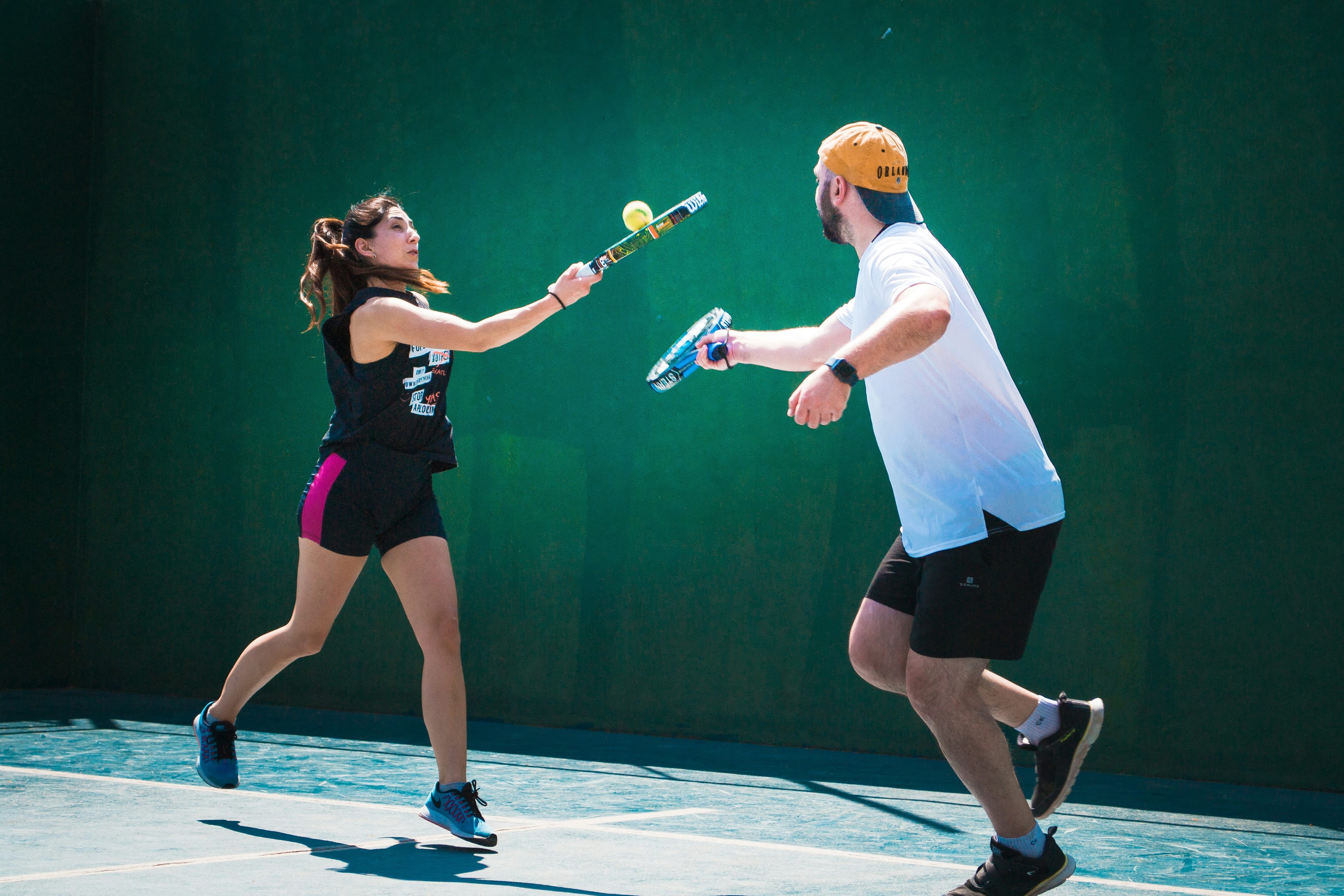
Padel frames meet glass, fencing and turf as a matter of routine, and a $9 protector is the cheapest insurance you can buy. We checked what US retailers actually stock in September 2026, what a protector really prevents, and the weight-and-balance trade-off nobody else mentions.
How Long Does a Padel Racket Last? Signs to Replace
How Long Does a Padel Racket Last? Signs to Replace
Padel rackets die quietly - the foam core compresses long before anything cracks. Here is the real lifespan by play frequency, the six signs your racket is finished, and what replacement actually costs at US retailers right now.