
Padel Rules Explained: A Beginner's Guide

Padel Rules Explained: A Beginner's Guide
Everything you need to know before stepping on court
The Basics
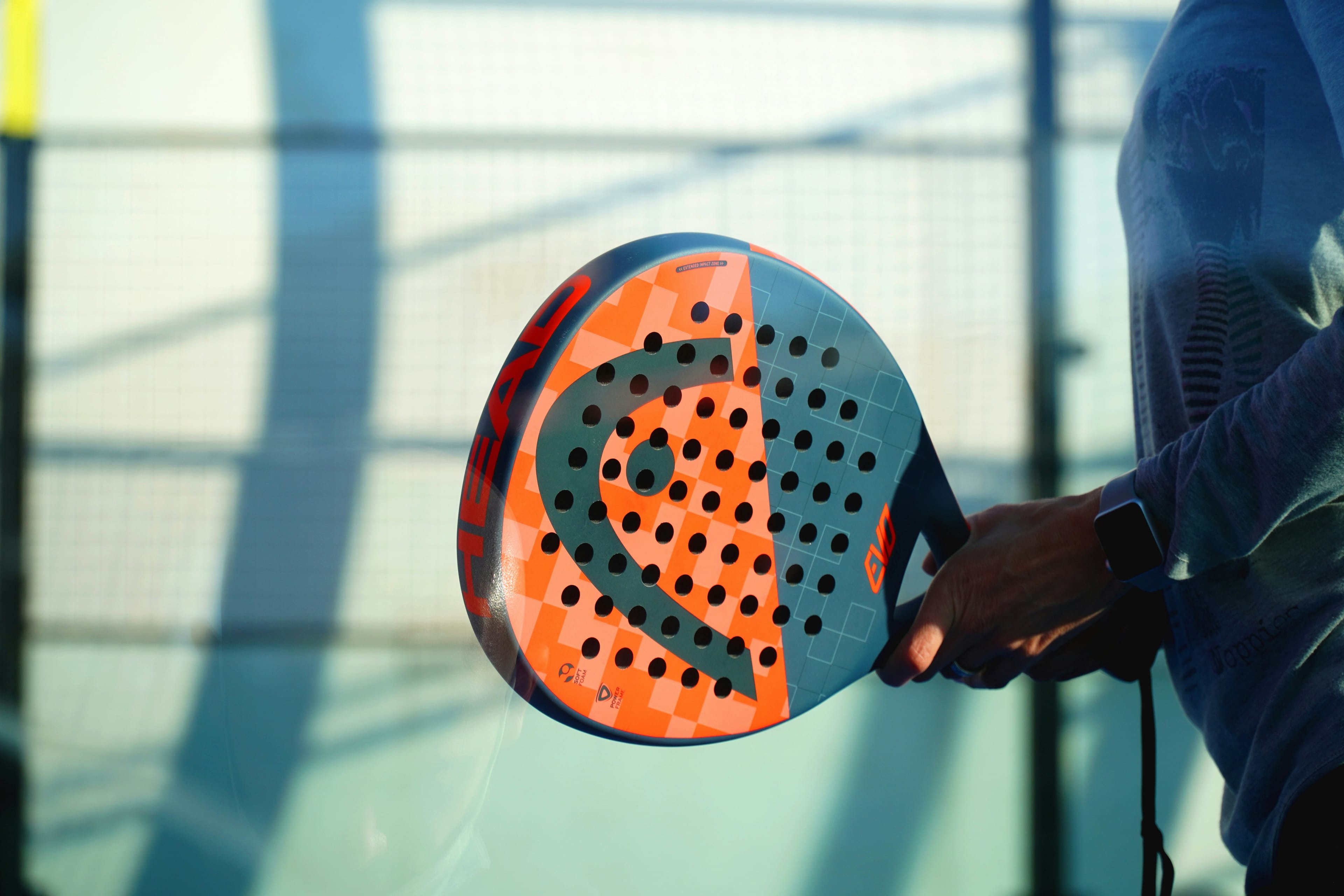
Padel is a doubles racquet sport played on an enclosed court with glass walls and metal mesh. The walls are in play — balls can bounce off them and remain live. This is what makes padel unique and strategically rich.
A standard match is best of 3 sets. Scoring is identical to tennis: 15, 30, 40, game. Win 6 games to take a set (with a 2-game lead or tiebreak at 6-6).
The Court
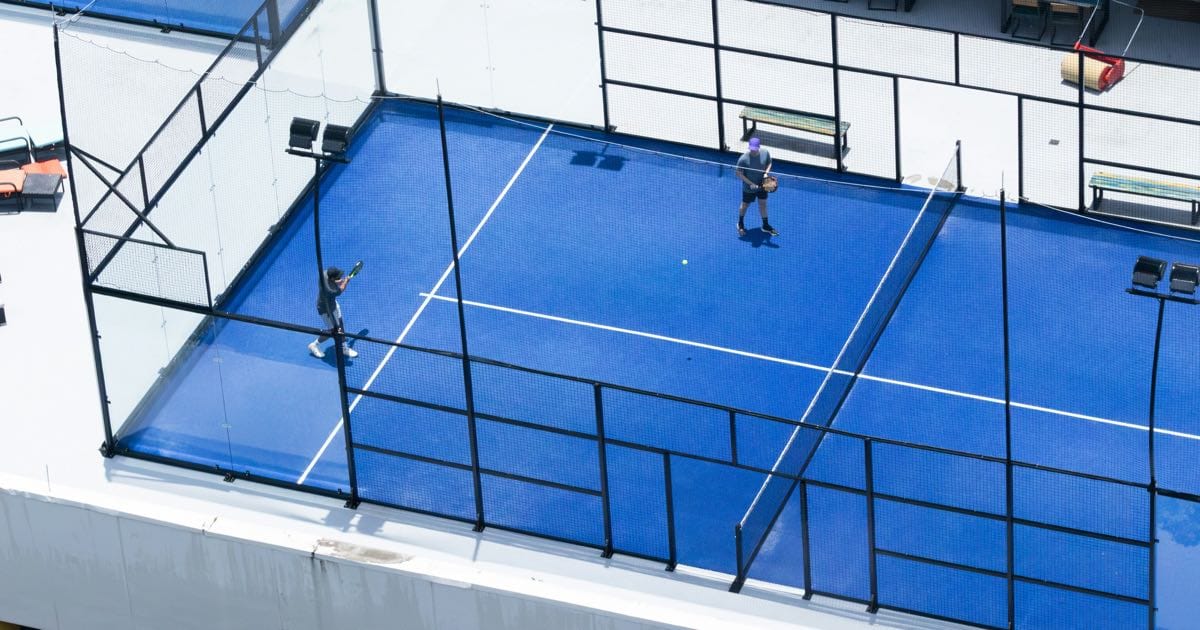
A padel court is 20m long and 10m wide, divided by a net. Each side has two service boxes. The court is enclosed by a combination of glass walls (back and sides) and metal mesh (upper portions). There are openings on both sides for players to exit and even chase balls outside the court.
The surface is artificial turf — which is why proper padel shoes matter.
Serving
The serve in padel is always underhand:
- Stand behind the service line on your side
- Bounce the ball on the ground, then hit it at or below waist height
- Hit diagonally into the opponent's service box (like tennis)
- The ball must bounce in the box first, then it can hit the back wall (this is in play)
- If it bounces and hits the side mesh/cage before the back wall, it's out
- You get two serves per point (like tennis)
Wall Play — What Makes Padel Special
This is the rule that surprises newcomers: after the ball bounces on your side, it can hit the glass wall and you can still play it. The ball is only dead when it bounces twice on the ground.
This means rallies last longer and create dramatic moments. A ball that looks like a winner can be retrieved off the back glass. Players can even run outside the court through the side openings to chase a ball that's gone over the mesh.
Key wall rules:
- The ball must bounce on the ground before hitting a wall on your opponent's side (you can't volley it into the wall)
- After bouncing, it can hit any wall and remain in play
- You can hit the ball into your own side's glass to send it back over the net (a "contra-pared" or wall shot)
Points and Penalties
You win the point when:
- The ball bounces twice on your opponent's side
- Your opponent hits the ball into the net
- Your opponent hits the ball outside the court (over the mesh/glass)
You lose the point when:
- The ball bounces twice on your side
- You hit the net with your body or racket
- You hit the ball before it crosses to your side
Doubles Positioning
Padel is always played as doubles. The standard formation is one player at the net and one at the back. Good teams rotate — the net player looks for volleys while the back player covers lobs and wall returns.
Communication with your partner is essential. Call "mine" or "yours" early, especially on balls down the middle.
Frequently Asked Questions
Continue Reading

Padel at US Resorts & Hotels: All 19 Venues (2026)
Padel at US Resorts & Hotels: All 19 Venues (2026)
We pulled every resort, hotel and inn in the US with a padel court on site: 19 venues, 33 courts, and not one of them indoors. Here is what each property actually has, what it costs, and exactly which ones will let you book without a room or a membership.
Playtomic vs Playbypoint: How to Book US Padel Courts
Playtomic vs Playbypoint: How to Book US Padel Courts
Three apps take almost all US padel bookings, and they split the country by region rather than nationally. We recorded the booking platform on all 392 active US padel clubs to show which app you actually need in your metro — and the 45% of clubs no app can book at all.

Padel Courts in North Carolina: Where to Play in 2026
Padel Courts in North Carolina: Where to Play in 2026
North Carolina has six padel clubs across four cities, with 17 courts open today and 18 more announced. Charlotte holds 14 of them across three venues, all open to non-members, while Raleigh's only courts sit behind a country club membership. Here is every club, what it costs, and which announced projects are further off than the listings suggest.