


Best Padel Sunglasses 2026: Lenses, Fit & Court Glare
Best Padel Sunglasses 2026: Lenses, Fit & Court Glare
Why padel eyewear is its own category, the right lens tint for your court, and the value, premium, and padel-specific picks worth buying in the US.
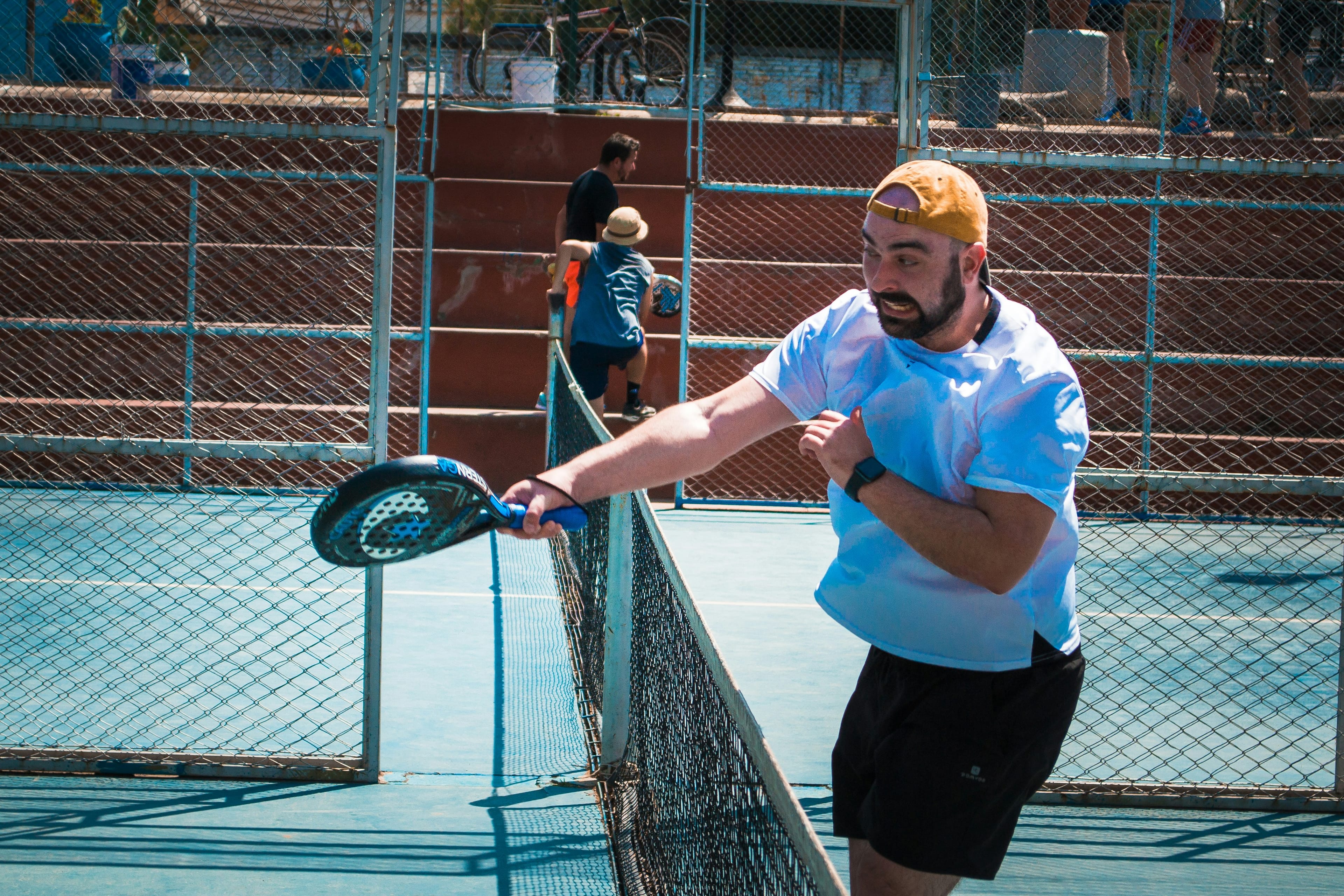
Padel punishes your eyes in ways tennis and pickleball never do. The ball ricochets off glass walls at unpredictable angles, outdoor courts throw direct sun and reflected glare at you between points, and indoor clubs light the court with banks of LEDs that wash out contrast. The right pair of sunglasses isn't a fashion call — it's the difference between reading a fast lob early and losing it in the light.
This guide covers what makes padel eyewear its own category, how to match lens tint to where you actually play, and the best padel sunglasses you can buy in the US in 2026 — from $30 value picks to premium padel-specific frames.
Why Padel Sunglasses Are Different from Tennis or Pickleball Glasses
Tracking a Ball Off the Glass Walls
In tennis, the ball travels in a predictable arc over an open court. In padel, it comes off the back and side glass at sharp, sudden angles — sometimes twice in one rally. If you're still learning to read those rebounds, our guide to using the glass walls breaks down the angles. Your eyes need maximum contrast to pick the ball up against a busy background of glass, fencing, and whatever's happening on the next court. Lenses that boost contrast — not just dim the light — matter more here than in almost any other racket sport.
Indoor LEDs vs Outdoor Sun
Most US clubs are indoor, and indoor padel is lit by high-output LED panels that can create glare and flat, shadowless light. (We cover the full set of differences in indoor vs outdoor padel.) A lens tuned for bright Arizona sun will be uselessly dark under those lights, and a clear indoor lens will leave you squinting on an outdoor court at noon. That's why the single most useful feature in padel eyewear is a photochromic lens or an easy interchangeable-lens system — one frame that adapts to both.
Frames That Survive Smashes and Overheads
Padel is a jumping, twisting, overhead-heavy game. You'll be looking straight up for a bandeja or smash one moment and lunging low the next. Sunglasses that slide down your nose or bounce on contact are worse than none. Look for a wraparound shield shape, grippy nose and temple pads, and a frame light enough that you forget it's there.
Lens Tints by Court Type
Visible Light Transmission (VLT) is the number that matters — the percentage of light a lens lets through. Lower VLT means a darker lens for bright conditions; higher VLT means a lighter lens for dim ones.
Outdoor and Desert Sun: Brown, Copper, Low-VLT
If you play outdoors in the Sun Belt — think Phoenix, Palm Desert, or Florida — you want a low-VLT lens in the 8–18% range. Skip gray. Brown, copper, and rose tints heighten contrast against blue sky and green turf, making the ball pop and helping you judge distance. Gray dims everything evenly, which is restful but flattens exactly the contrast you need to track a fast ball.
Indoor LED Courts: Clear, Yellow, or Photochromic
Indoors, you don't need darkness — you need contrast and glare control. A clear or lightly tinted lens with anti-reflective coating cuts LED glare without dimming the court. Yellow and rose tints (VLT 50–75%) sharpen contrast under flat artificial light. If you split your time between indoor and outdoor courts, a photochromic ("light-reactive") lens is the smart buy: it sits nearly clear indoors and darkens automatically in sunlight, so one pair covers everything.
Why You Should Skip Polarized Lenses
Polarized lenses are the default for driving and fishing because they kill horizontal glare. On a padel court they can work against you. Polarization can create distracting reflections and dark patches as you look through glass walls at different angles, and many players find it subtly flattens the depth cues they rely on to time a volley. Glare control matters in padel, but you get it from a good tint and an anti-reflective coating — not from polarization. When in doubt, go non-polarized.
Best Padel Sunglasses 2026
There's no padel-only brand that dominates the US the way Bullpadel or Nox dominate rackets, so the best picks come from three places: value sport-eyewear brands, premium crossover lines, and the handful of padel-specific European makers now shipping stateside.
Tifosi Sledge
Tifosi Optics is the value benchmark, and the brand has leaned hard into racket sports. The Sledge is a full-coverage shield with vented, interchangeable lenses and hydrophilic rubber pads that grip harder as you sweat — the closest thing to a do-everything padel frame at this price. The lighter Veloce (from $49.95, or $89.95 with the Fototec photochromic lens) is the best-selling classic for smaller faces, and the Aethon adds a wide-transition Fototec lens that's strong from low light to partly cloudy. For most US players, a Tifosi with a Fototec photochromic lens is the single smartest budget sunglasses purchase you can make.
Shape: Full-coverage shield | Lens: Vented, interchangeable
Oakley Sutro
If you want the best optics regardless of price, Oakley is the move. The Sutro is a high-wrap shield built for cycling that transfers perfectly to padel: a huge field of view, no top rim to block an overhead, and Prizm lenses engineered to boost specific contrast bands. It comes in 22 colorways — choose a Prizm Field, Trail, or Road tint for outdoor play, and avoid the polarized Prizm options. The more aggressive Encoder offers the same formula with even more coverage. Heavier on the wallet, lighter on regret.
Shape: High-wrap shield | Lens: Prizm contrast (non-polarized options)
Demon Sunglasses — Padel-Specific
Demon is an Italian brand with a dedicated padel lineup, including photochromic models that shift from Category 1 (near-clear, indoor-friendly) to nearly Category 3 in bright sun. The frames are light, vented, and built around the wraparound padel use case rather than borrowed from cycling. Priced in euros and shipped from the EU, but reasonable even after shipping — a genuine padel-first option.
Pleyers — Premium Padel-Specific
Pleyers sits at the premium end of padel-specific eyewear, designed by people who play the sport. Expect higher-grade photochromic lenses, refined frames, and styling that looks at home off the court too. If you've decided padel is your sport and you want eyewear built for it rather than adapted from another discipline, Pleyers is worth the spend.
Viborace — Padel-Specific Value
Viborace makes affordable, padel-specific sunglasses with photochromic and UV400 lenses, non-slip rubber temples, and frames that weigh under 30 grams. They offer dedicated men's and women's fits. It's the budget end of the padel-specific category — a good entry point if you want a purpose-built pair without the premium price.
100% Speedcraft Photochromic
100% makes the wraparound shields you see across cycling and running, and they're excellent on a padel court: enormous coverage, secure grip, and swappable lenses. This Speedcraft pairs the classic frame with a Rose Gold Mirror photochromic lens that adapts as the light changes — exactly the one-pair-covers-everything setup padel rewards, in a non-polarized contrast tint that stays honest through the glass. Like Oakley, the appeal is field of view and stability during overheads. The Glendale (from $139.95) offers even larger coverage on the same principle.
Shape: Wraparound shield | Lens: Rose Gold Mirror photochromic
A Quick Fit Checklist
Before you buy, run through this:
- No slip when you sweat. Grippy nose pads and temple tips are non-negotiable in a sport this sweaty. Test by shaking your head with them on.
- No bounce on overheads. A wraparound that hugs the temples stays put when you jump for a smash.
- Wide, unobstructed field of view. A shield or rimless-top design keeps a high lob in sight.
- Ventilation. Indoor turf and humidity fog cheap lenses fast — look for vented frames or anti-fog coatings.
- Light weight. Under ~30g and you'll forget it's on. Pair it with the rest of your kit — see what to wear to play padel.
A pair that passes all five will survive a warmup and three sets without a single adjustment.
Where to Buy in the US
Value and crossover brands are the easiest to find domestically: Tifosi, Oakley, and 100% are stocked at REI, DICK'S Sporting Goods, Amazon, and the brands' own US sites, so you can try the fit in person and skip international shipping. The padel-specific makers — Demon, Pleyers, and Viborace — sell direct from Europe and ship to the US; check the size guide first and expect euro pricing plus a few days' transit.
Whichever you choose, prioritize a photochromic or interchangeable lens, a non-polarized contrast tint, and a no-slip wraparound fit. Get those three right and you'll read the ball earlier — indoors, outdoors, and everywhere the glass sends it. While you're upgrading your kit, our guides to the best padel shoes for 2026 and shoes by court surface round out the rest of your gear.
Frequently Asked Questions
Continue Reading
GLDN PNT: Miami's Padel Apparel Brand, Now with Reebok
GLDN PNT: Miami's Padel Apparel Brand, Now with Reebok
Miami-born GLDN PNT is the first American padel apparel brand to land a major sportswear collaboration. What the Reebok x GLDN PNT collaboration includes, what it costs, and why a padel-native label matters for US players.
Padel Racket Lead Tape: How to Add Weight & Balance
Padel Racket Lead Tape: How to Add Weight & Balance
The FIP rulebook explicitly allows weighting your racket, but no padel-branded balancer tape is sold in the US. Here is what 3-12 g does to your balance point, where to put it, and the six tennis- and pickleball-labelled products that do the same job for less.
Padel Racket Warranty in the US: What's Actually Covered
Padel Racket Warranty in the US: What's Actually Covered
Searching for a padel racket warranty from the US turns up European policy pages written under Dutch and Spanish law. We read the published terms of all four US padel stores and the brands' own warranty pages to find what really covers a cracked frame. The answer: a factory defect, claimed through the shop you bought from, usually inside thirty days.