


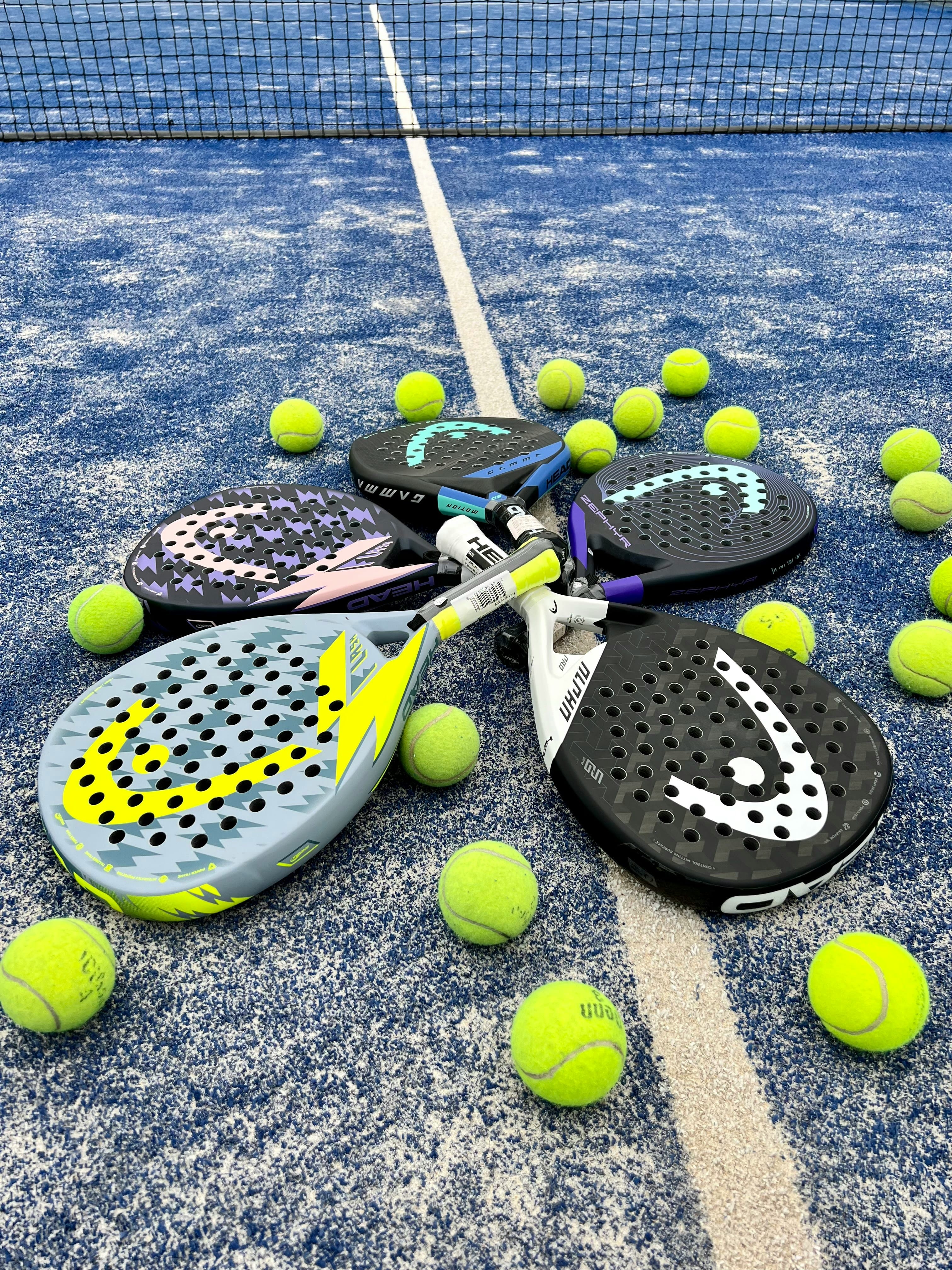
Best Men's Padel Shoes 2026: Fit, Support & Top Picks
Best Men's Padel Shoes 2026: Fit, Support & Top Picks
Six US-available picks, checked against live retailer stock in July 2026
Most men arrive at padel from tennis, pickleball, or the gym, and they show up in whatever court shoe was already in the trunk. It works fine for about three games. Then comes the first hard push off the side glass, the shoe rolls instead of gripping, and you learn why padel footwear is its own category.
This is the men's-specific cut of our footwear coverage. If you want the full technical rundown, start with our complete padel shoe buying guide; if you already know your court, our shoes-by-court-surface breakdown is the faster route; and if you're shopping for a woman, women's lasts are genuinely different — see our best women's padel shoes guide instead. Every pick below was checked for US availability and in-stock pricing in July 2026 — which, as you'll see, rules out several shoes other lists still recommend.
Why Running and Tennis Shoes Get You Hurt
Padel is a lateral sport played in a 20x10-meter box. You are almost never running in a straight line for more than three steps — you're pushing sideways off the glass, stopping hard at the net, and reversing to chase a lob, often several times in one point.
Running shoes are built for the opposite: forward motion, a tall stack of soft foam, no lateral structure. Push sideways in one and your foot slides off the midsole platform. That's how ankles roll. Tennis shoes are much closer and will get you through a session, but they're designed around hard courts and clay, and their outsoles don't handle the sand-filled turf most US padel courts use.
A real padel shoe adds two things: a surface-appropriate outsole, and a lateral support structure that keeps your foot stacked over the sole when you cut. Everything else is refinement.
What Actually Matters
Outsole: Match It to Your Court
The single most consequential spec, and the one most first-time buyers ignore.
- Herringbone (zig-zag): the default. Grips outdoor artificial turf and works indoors too. If you play on more than one surface, or you don't know what your club has, buy herringbone.
- Soft-court / self-cleansing patterns: angled lugs that shed sand instead of packing it in. Best if you play mostly on outdoor turf.
- Mixed or all-court: the compromise most brands ship in 2026, and genuinely fine for the majority of US players.
Most US clubs run cushioned turf or indoor panoramic courts, so an all-court or herringbone sole is the safe default. Our indoor vs outdoor padel guide covers how the footing changes between them.
Lateral Support and Weight
Look for a torsion structure through the midfoot — brands call it a chassis, a cage, a frame — plus a firm heel counter and a reinforced toe cap. You will drag your toe on smashes, and an unprotected mesh toe blows out in a season.
Padel points are short and explosive but matches run long, so you want responsive cushioning rather than a marshmallow midsole that kills court feel and lets the foot wobble. Low-profile foam plus a stability frame is the modern formula. Lighter shoes feel faster, structured shoes feel safer — pick the side of that trade you actually need, and pair them with the right kit from our what to wear to play padel guide.
Best Men's Padel Shoes 2026
Six picks, six different jobs. Prices are US retail as of July 2026 and move around — tap through for current cost and stock.

Wilson Hurakn Pro V2
The Hurakn Pro V2 is the shoe we'd hand to most men buying their first serious pair, and plenty of their third. Wilson's Endofit interior is a sock-like bootie that wraps the midfoot, which solves the most common complaint about padel shoes — a foot that shifts inside the shoe on hard cuts. The Pro Torque Chassis Light handles lateral stability without the weight penalty of a full stability shoe, and Fused 8 Foam stays responsive deep into a long match.
What earns it the top spot is balance and price. At $135 it undercuts the premium tier by $35 while giving up very little, and the 9–13 size run is broader than most padel-specific models reach. The upper is recycled mesh and TPU if that matters to you.
Outsole: Duralast rubber, Optimum Grip pattern (all-court/clay) | Midsole: Fused 8 Foam | Sizes: US 9–13 | Level: Intermediate to advanced Price: $135 | Shop at Racket Central

Adidas Barricade 14
Barricade is the most storied name in racket-sport stability, and the padel version earns it. A claw-inspired lateral support structure wraps the foot, and REPETITOR cushioning returns energy rather than swallowing it, so the shoe stays lively through a third set. The ankle and tongue are heavily cushioned for a locked-in feel.
This is the pick if you're a big, physical mover, if you play three-plus times a week, or if you've rolled an ankle and want the shoe arguing on your side. The trade is weight and break-in — it's structured, not nimble, and that is the entire point.
Outsole: Durable rubber (all-court) | Midsole: REPETITOR energy return | Sizes: US 8–12.5 | Level: Advanced Price: $160 | Shop at Racket Central

Babolat Jet Premura 3
The Premura 3 is among the lightest high-performance padel shoes you can buy, and it doesn't get there by stripping out support. The Matryx MICRO woven upper is structural rather than just light, and Babolat's HumanFab forefoot "teeth" add dynamic stability where a fast shoe usually gives it up. The outsole is developed with Michelin and uses 360° Flex Technology, which is the real story: grip that holds through fluid direction changes rather than fighting them.
Buy it if you're an aggressive net player whose game is built on first-step quickness. It's the most expensive shoe here at $170 and the least forgiving underfoot — advanced players will love that, beginners won't notice what they're paying for.
Outsole: Michelin padel rubber, 360° Flex (all-court/clay) | Upper: Matryx MICRO woven mesh | Insole: Ortholite HybridPlus-Bio | Sizes: US 8.5–12.5 | Level: Advanced Price: $170 | Shop at Racket Central

Adidas Defiant Speed 2
At $120 the Defiant Speed 2 is the best money-to-performance ratio on this list. Lightstrike is a low-profile midsole that keeps you close to the court for fast reactions, and the Adiwear outsole is genuinely hard-wearing — a real consideration if abrasive turf is eating a pair of shoes every six months. The mono mesh upper breathes well, which matters in a Florida or Texas summer.
You give up the plush cushioning and the heavier support structures of the premium picks. For most club players two or three times a week, that's a trade worth making.
Outsole: Adiwear high-abrasion rubber (all-court) | Midsole: Lightstrike low-profile | Sizes: US 8–12.5 | Level: Intermediate to advanced Price: $120 | Shop at Racket Central

Kanso Sports EQ SoftCourt
Kanso is the padel specialist most American players haven't heard of yet, and the EQ SoftCourt is the most surface-honest shoe here. Its outsole uses a 30° self-cleansing angle that sheds sand instead of packing it into the tread — exactly what you want on the cushioned turf that dominates US clubs. The Superwear rubber compound is built to survive that abrasion.
It's also the comfort pick. The one-piece ICF tongue with integrated foam removes the pressure point that laces usually create across the instep, which makes it a sensible choice if you have a higher-volume foot or find race-fit shoes punishing over two hours. A TPU torsion unit and an SA+ heel pad keep it stable despite the softer feel.
Outsole: Soft-court pattern, 30° self-cleansing, Superwear compound | Midsole: Speedlight Foam + TPU torsion unit | Fit: Comfort-focused, one-piece tongue | Level: All levels Price: $165 | Shop at Racket Central

K-Swiss Express Light 3 Padel
You do not need to spend $170 to get a legitimate padel shoe. The Express Light 3 has the one thing that actually matters most — a deep herringbone HB outsole with real traction — plus DuraWrap Flex on the upper for drag protection where you'll scuff it. At $84 it's the cheapest honest entry point in US padel, and a smart first pair if you're converting from tennis and not yet sure you're hooked.
It's also the answer for larger feet. K-Swiss specs this model from size 7 all the way to 14, well past the 12.5 or 13 ceiling where Adidas and Babolat stop. Stock varies by colorway, so check the size run before you commit.
Outsole: HB deep herringbone (all-court) | Midsole: CMEVA | Upper: Synthetic leather with DuraWrap Flex | Sizes: Men's 7–14 | Level: Beginner to intermediate Price: $84 | Shop at Racket Central
About Asics, Bullpadel, and Joma
If you've read other 2026 men's padel shoe lists, you've seen the Asics Gel-Resolution X, the Bullpadel Vertex Vibram, and the Joma Open all ranked near the top. They're good shoes. They're also, as of July 2026, not meaningfully stocked by US padel retailers — we checked the live catalogs at Racket Central and Padel USA and found no in-stock men's models from any of the three.
Most of those rankings are written for European buyers, where those brands dominate the retail shelf. You can import a pair, but you'll pay shipping, wait, and have no realistic path to returning them if the fit is wrong — which, with padel lasts, it often is. The picks above are shoes you can buy today, in your size, and send back if they don't fit.
Sizing, Care, and When to Replace
Fit snug, not tight. You want roughly a thumbnail of room at the toe and zero heel lift when you push off. If the heel moves, the shoe is wrong — no lacing trick fixes it.
Coming from running shoes? Padel and tennis lasts often run shorter than road-running shoes, so don't assume your size carries over. Between sizes with wider feet, size up a half. Narrow feet, stay true.
Care. Knock the sand out after every outdoor turf session — trapped grit grinds the outsole down from inside the tread. Air-dry away from direct heat, never in a dryer. Rotating two pairs roughly doubles the life of each.
When to replace. The tread tells you before your legs do. Once the herringbone is smoothed flat under the ball of your foot — usually the outside edge first — you're sliding on cuts even if the shoe still looks fine. Most players on abrasive turf get 6–9 months from a pair. Sharp knee or shin pain after sessions that never used to hurt is the other signal: the midsole is done.
If you're rebuilding your kit this season, our complete padel shoe buying guide goes deeper on construction, and the by-surface guide tells you exactly which outsole your home club calls for.
Frequently Asked Questions
Continue Reading
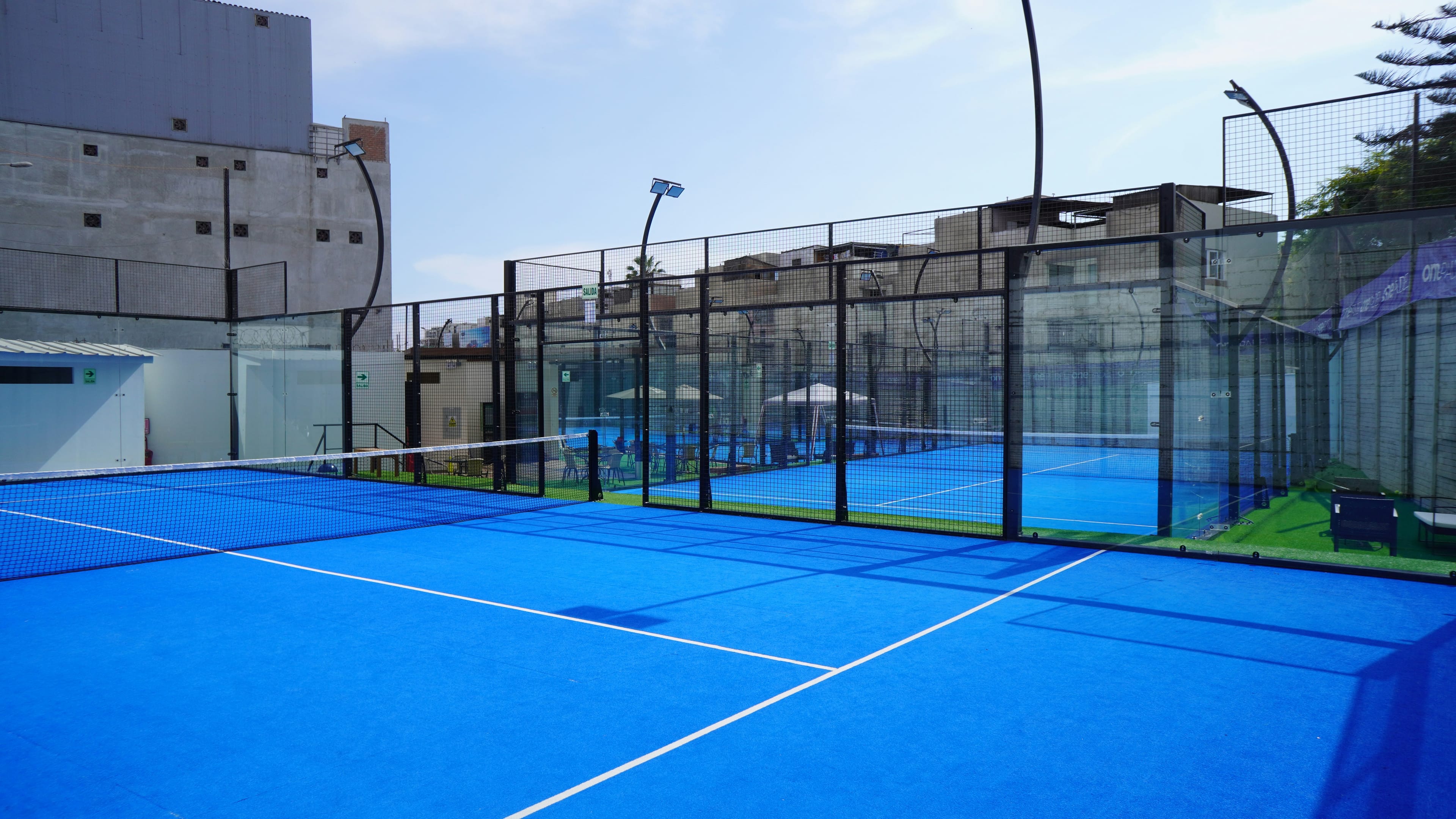
GLDN PNT: Miami's Padel Apparel Brand, Now with Reebok
GLDN PNT: Miami's Padel Apparel Brand, Now with Reebok
Miami-born GLDN PNT is the first American padel apparel brand to land a major sportswear collaboration. What the Reebok x GLDN PNT collaboration includes, what it costs, and why a padel-native label matters for US players.
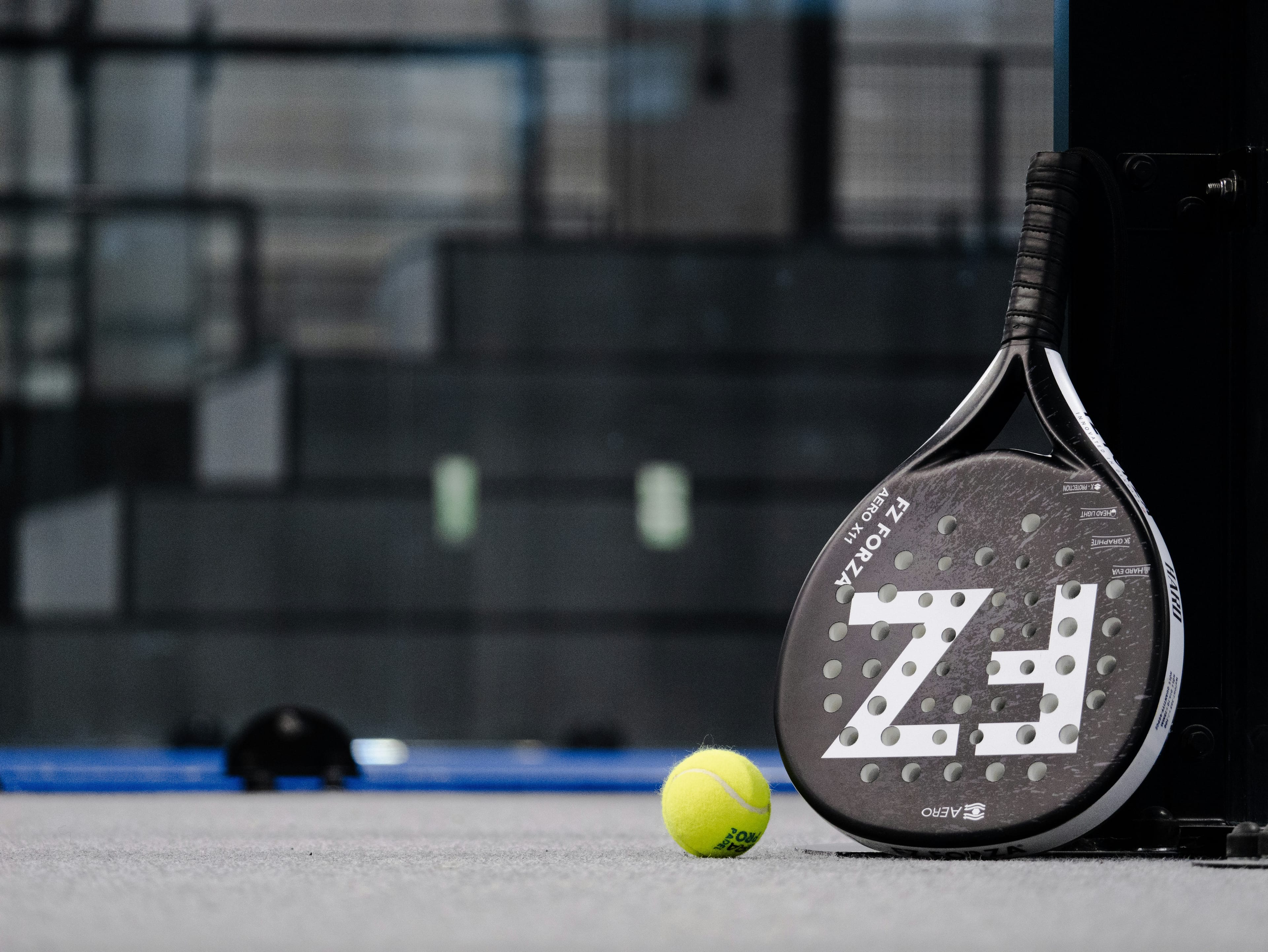
Padel Racket Lead Tape: How to Add Weight & Balance
Padel Racket Lead Tape: How to Add Weight & Balance
The FIP rulebook explicitly allows weighting your racket, but no padel-branded balancer tape is sold in the US. Here is what 3-12 g does to your balance point, where to put it, and the six tennis- and pickleball-labelled products that do the same job for less.
Padel Racket Warranty in the US: What's Actually Covered
Padel Racket Warranty in the US: What's Actually Covered
Searching for a padel racket warranty from the US turns up European policy pages written under Dutch and Spanish law. We read the published terms of all four US padel stores and the brands' own warranty pages to find what really covers a cracked frame. The answer: a factory defect, claimed through the shop you bought from, usually inside thirty days.