
Best Padel Shoes by Court Surface 2026: Turf, Hard & Indoor
Best Padel Shoes by Court Surface 2026: Turf, Hard & Indoor
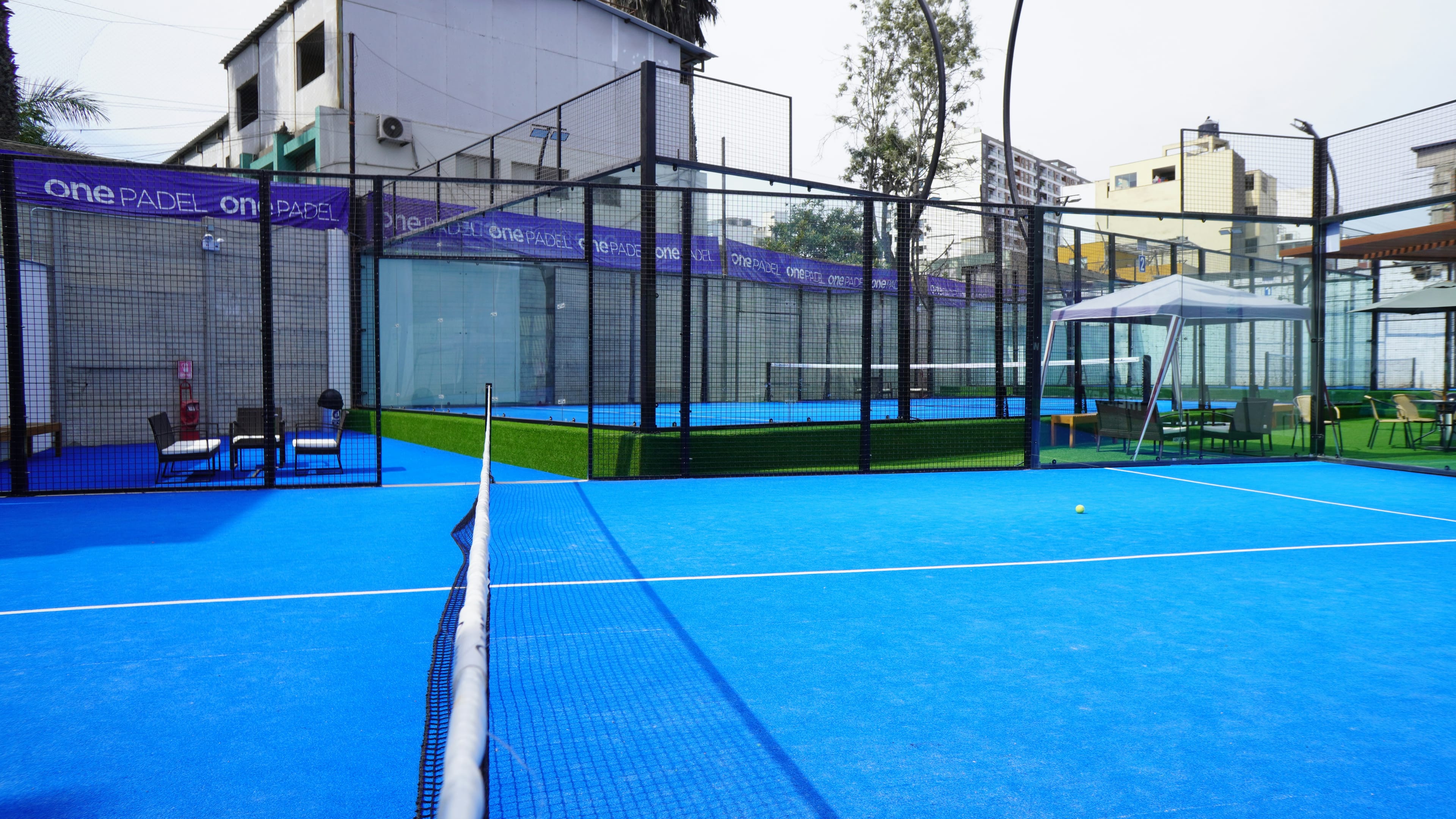
Most US clubs play on artificial turf with silica infill. Some country clubs poured concrete. A few new builds use indoor synthetic. The right outsole depends on which court you actually step onto.
Most padel guides bundle every shoe into one ranking and call it a day. That works in Spain, where ninety-five percent of courts are turf with sand infill. It doesn't work in the US, where you might walk onto a sand-filled turf court in Miami, a concrete deck behind a country club in Greenwich, and a brand-new indoor synthetic floor in Austin — all in the same month. The shoe that grips one will skate on another.
This guide picks shoes by the surface you actually play on. If you only play one venue, jump to that section. If you travel for tournaments or play at multiple clubs, the hybrid options near the bottom matter more.
Padel Court Surfaces in the US
Three surfaces cover almost every US club. Walk the court before you buy shoes — the surface is rarely advertised on a club's homepage, but it's easy to identify on sight.
Artificial Turf with Silica Infill (Most US Clubs)
The global padel standard. Short synthetic fibers stand up in a green or blue carpet, and a fine layer of silica sand sits between them. The sand is what makes the surface slide a few inches when you plant — that controlled slide is the entire reason padel feels different from tennis. Most clubs in Florida, Texas, and California use this surface, indoors and outdoors.
If you can see green fibers and feel a slight crunch underfoot, it's turf with silica.
Concrete / Hard Outdoor
A small but growing number of US courts — especially conversions at country clubs or municipal tennis facilities — are simply painted concrete with acrylic court paint. There's no sand, no give, and stops are abrupt. The ball bounces higher and faster off the back glass, but your knees feel every lunge.
This is the surface where tennis shoes feel most "right" and where pure padel turf shoes feel slick.
Indoor Synthetic
The newest US builds, especially in the Northeast and Midwest, are using rubberized synthetic flooring or low-pile indoor turf with minimal sand. It plays closer to indoor tennis or pickleball than traditional outdoor turf. Grip is high, slides are short, and dust is non-existent.
New clubs in New York and Illinois often default to this surface for ventilation and maintenance reasons.
How Outsoles Differ
The outsole — the patterned rubber on the bottom of the shoe — is the single most important spec for padel. Three patterns dominate.
Herringbone (Built for Turf)
Zigzag lines running across the sole, like a parquet floor. The pattern bites into silica sand, then releases cleanly when you slide. Herringbone is the default on every Spanish padel-specific shoe, and it's the right call for ninety percent of US courts. Look for "spike" or "fishbone" in the product copy — same pattern, different marketing.
Omni / Pebble (Multi-Surface)
Small circular studs covering the sole, sometimes mixed with short herringbone lines. Omni patterns grip indoor synthetic and low-sand turf, but they pack with silica on sand-heavy courts and lose grip mid-rally. If you split time between an outdoor turf club and an indoor synthetic build, omni is the compromise — not the best at either, fine at both.
Clay (Heel-to-Toe Pattern)
Full-length herringbone with deeper, more aggressive lines. Marketed for clay tennis but functionally identical to padel turf grip. Clay-court tennis shoes are an underrated budget pick for US turf padel, especially if you already own a pair. Just expect faster wear — the rubber compound is softer than purpose-built padel shoes.
Best Shoes for Artificial Turf
This is where the money should go for most US players. All four picks below use a herringbone outsole tuned for sand.
Bullpadel Hack Vibram
The Hack Vibram has been the consensus best-on-turf shoe for three years running, and the 2026 update doesn't change that. The Vibram Megagrip outsole uses a hybrid stud-and-herringbone pattern that channels sand and water away from the contact points, so the grip stays consistent even on a freshly groomed court with loose silica on top. Paquito Navarro's signature model is built for aggressive cuts and recovery sprints.
Weight: ~390g | Outsole: Vibram herringbone hybrid | Best for: All-around turf play Price: ~$199 | Shop at Racket Central
Asics Gel-Padel Pro
Asics brought their tennis cushioning DNA to padel, and the Gel-Padel Pro is the shoe to grab if your knees and ankles are already negotiating with you. Gel inserts in the heel and forefoot absorb the lunge-and-stop loads that wreck more aggressive padel shoes, and the herringbone outsole is purpose-cut for turf. The downside is weight — heavier than most pro shoes — but for recreational players over 30, the cushioning trade is worth it.
Weight: ~395g | Outsole: Herringbone with Gel inserts | Best for: Players with knee or ankle history Price: ~$160 | Shop at Racket Central
HEAD Sprint Pro
If you're coming from tennis and the Bullpadel feels too foreign, HEAD's Sprint Pro splits the difference. The upper is closer to a tennis silhouette, but the outsole is true herringbone. It's lighter than the Bullpadel and quicker side-to-side, at the cost of some lateral stability on hard cuts.
Weight: ~340g | Outsole: Herringbone | Best for: Tennis-to-padel converts Price: ~$170 | Shop at HEAD
Adidas Adipower Multiweight
Ale Galán's shoe of choice. The Adipower is the closest thing the market has to a "Spanish pro" feel — stiff midsole, low-to-the-ground stance, and a sticky outsole that bites into sand harder than anything else on this list. Beginners often hate it because it's unforgiving on bad footwork. Intermediate-and-up players who know how to slide love it.
Weight: ~380g | Outsole: Adiwear herringbone | Best for: Players who already know how to slide Price: ~$180 | Shop at Adidas
Best Shoes for Hard Court / Outdoor Concrete
On painted concrete, herringbone padel shoes feel slick — there's no sand for the pattern to bite. Hard-court tennis shoes are usually the better answer, but only the ones with omni or pebble outsoles, not the smooth-rubber drag-toe models built for sliding on hardcourt clay.
Wilson Rush Pro 4.5
A hard-court tennis shoe with a multi-court outsole that handles concrete padel as well as anything purpose-built. The rubber compound is more durable than padel-specific shoes, which matters because concrete eats outsoles in months, not years.
Weight: ~370g | Outsole: Wilson DuraLast all-court | Best for: Country-club concrete courts Price: ~$150 | Shop at Tennis Express
Babolat SFX Evo 3
Babolat's mid-tier all-court tennis shoe. Less cushioning than the Wilson Rush, more lateral support, and roughly half the price if you catch it on sale. Pair with a quality insole and it holds up for a season of concrete padel.
Weight: ~380g | Outsole: Babolat Michelin all-court | Best for: Budget-conscious concrete players Price: ~$110 | Shop at Tennis Express
Best Shoes for Indoor Synthetic
Low-pile indoor turf and rubberized synthetic floors don't need the deep grip of a pure turf shoe — too much grip on these surfaces is what causes ankle rolls. Look for an omni or hybrid outsole and a lighter overall build.
The Asics Gel-Padel Pro (above) works well here despite being a turf-first pick, because the herringbone is shallow enough to release cleanly on synthetic. The Bullpadel Performance (the brand's lighter recreational line) is a better dedicated indoor option if you only play indoors — lighter, less aggressive grip, and roughly $40 cheaper than the Hack Vibram.
Avoid: any shoe marketed as "clay specialist" or with a deep, soft-rubber herringbone. They'll grab on indoor synthetic and twist your ankle on a hard plant.
How to Care for Padel Shoes
- Brush the outsole after every session. Silica packs into the herringbone grooves and kills grip faster than the rubber wears down. A stiff brush and thirty seconds is all it takes.
- Rotate two pairs. Padel outsoles compress under load, and rubber needs ~24 hours to bounce back. Players who rotate get nearly double the lifespan.
- Don't wear them off-court. Concrete sidewalks, parking lots, and especially driving will destroy a padel outsole in weeks. Carry them in your bag and change at the club.
- Replace at 6 months of regular play. Even if the outsole still has tread, the midsole compresses and stops protecting your knees. The first sign is heel pain after sessions — that's the midsole telling you it's done.
If you're still calibrating which surface your home club uses, ask at the front desk or check the club page on Padel Browser — most of our club listings note the surface type when we've verified it. And if you're a complete beginner, start with our general padel shoes buying guide before going surface-specific.
Frequently Asked Questions
Continue Reading
Padel Racket Balance Explained: Low, Medium & High
Padel Racket Balance Explained: Low, Medium & High
Balance decides how a padel racket feels more than any other spec, and it is the one brands report least consistently. Here is what the millimetre figure means, why shape does not determine it, and how to measure and shift your own racket's balance.
Best Padel Ankle Brace & Knee Supports 2026: US Picks
Best Padel Ankle Brace & Knee Supports 2026: US Picks
The ankle and foot is the most commonly injured region in padel, ahead of the elbow — yet almost every padel brace guide that ranks is a UK or EU storefront. Here are six ankle and knee supports you can buy from US retailers in 2026, what each category actually does, and why a bulky brace can cost you half a shoe size.
Padel Gear You Can't Buy in the US (and What to Buy)
Padel Gear You Can't Buy in the US (and What to Buy)
US padel gear guides are mostly written for European buyers, so they recommend shoes and frame protectors you simply can't buy here. We pulled the live product feeds of four US storefronts to see what is genuinely missing in 2026 — and found the gap has closed in two places nobody has written about yet.