
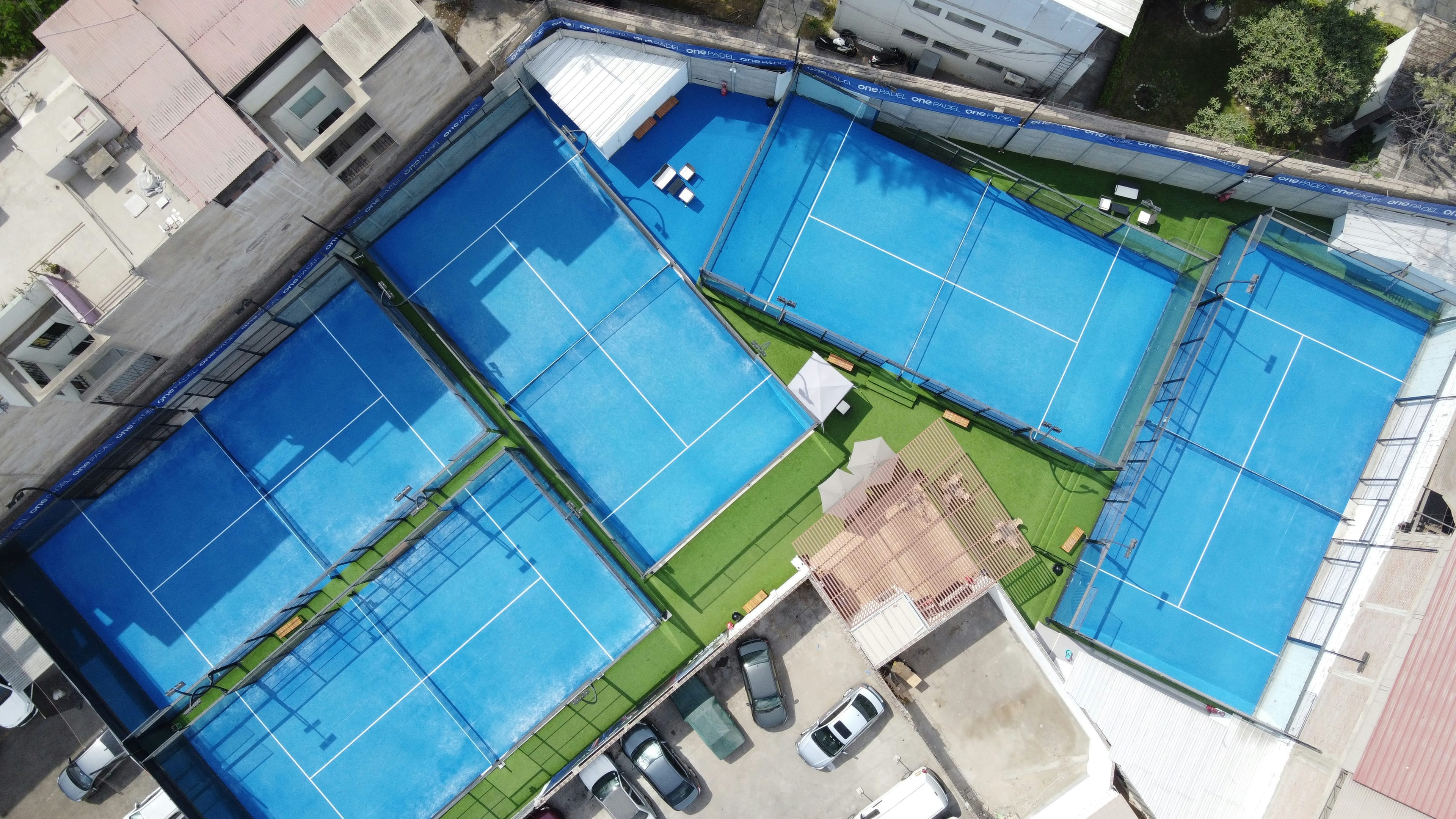
Public Padel Courts in the US: Play Without a Membership
Public Padel Courts in the US: Play Without a Membership
America has exactly one municipal padel facility. Here is that one, plus every other court you can book without joining a club.
Search "public padel courts near me" and you get a map full of pins. Drive to one and you may find a gated racquet club that wants an initiation fee before it will sell you a single hour of court time. The pin was real. The access wasn't.
Padel directories sort clubs by where they are, not by whether you can actually get on court. This guide sorts US padel the other way — by access model — and names the places where someone with no membership and no connections can book a court this week.
Most US Padel Is Private — But Not All of It
Nearly every padel court in the US sits on private land, built by a private operator. That is not the same thing as members-only. Plenty of those clubs will happily sell an hour to a stranger who has never held a racket. What is genuinely rare is publicly owned padel — courts a town or county built with public money, on public land.
Three words directories smear together that mean very different things when you show up:
- Public — owned by a municipality, county, or federal agency. Rare. Almost always still costs money to reserve.
- Pay-per-play — privately owned, open to anyone, book and pay by the hour. What most people are actually looking for.
- Members-only — you cannot book at all without joining. Common at country clubs and tennis clubs that bolted padel onto an existing facility.
"Public" almost never means "free." Even America's only municipal padel courts charge for a reservation. What public does buy you is the absence of a gate: no dues, no sponsor, no waitlist.
The Four Ways to Play Without Joining a Club
Municipal and park-district courts
Owned and operated by a town. You book through the recreation department, pay a modest hourly rate, and that's it. In the US this category currently has exactly one entry — which tells you how young the sport is here.
Public parks run by a private operator
The county owns the land; a padel operator holds the concession and runs the courts, coaching, and booking. This is the most common form of genuinely public-access padel in America, and the model doing the heavy lifting in Florida and California.
Commercial clubs with pay-per-play booking
Privately owned, no membership required, book by the hour through Playtomic, PlayByPoint, or the club's own site. Members often pay less, but non-members can play. Numerically the biggest category of no-membership padel in the country.
Public institutions and campuses
Universities, training centers, and governing bodies that open courts to visitors. The USTA National Campus is the clearest example.
Municipal Padel: America's First and Only
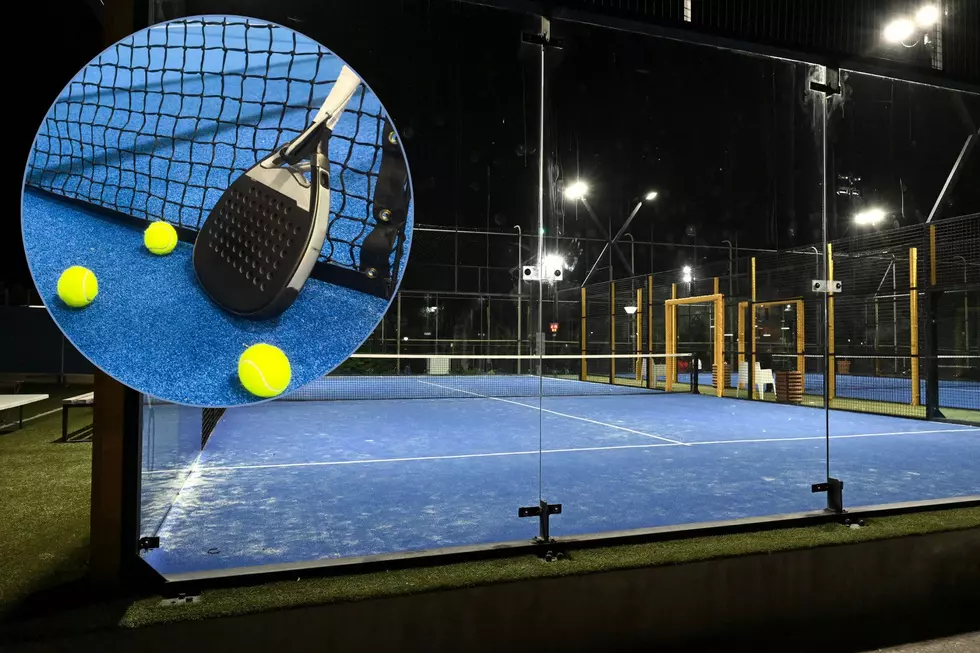
Westerly Municipal Padel Courts
A coastal town in Rhode Island is, improbably, the only place in the United States where padel is a municipal amenity. The courts sit on the town's Main Street rink slab — an outdoor ice rink in winter, padel and pickleball once the ice comes off — and were funded by a private family foundation at no cost to taxpayers. You book them the way you'd book a town tennis court: through Westerly's PlayByPoint page, for roughly $20 an hour. Some slots run first-come, first-served; the rest need a reservation. Nothing about it is exclusive, which is the point.
Courts: 2 | Type: Outdoor
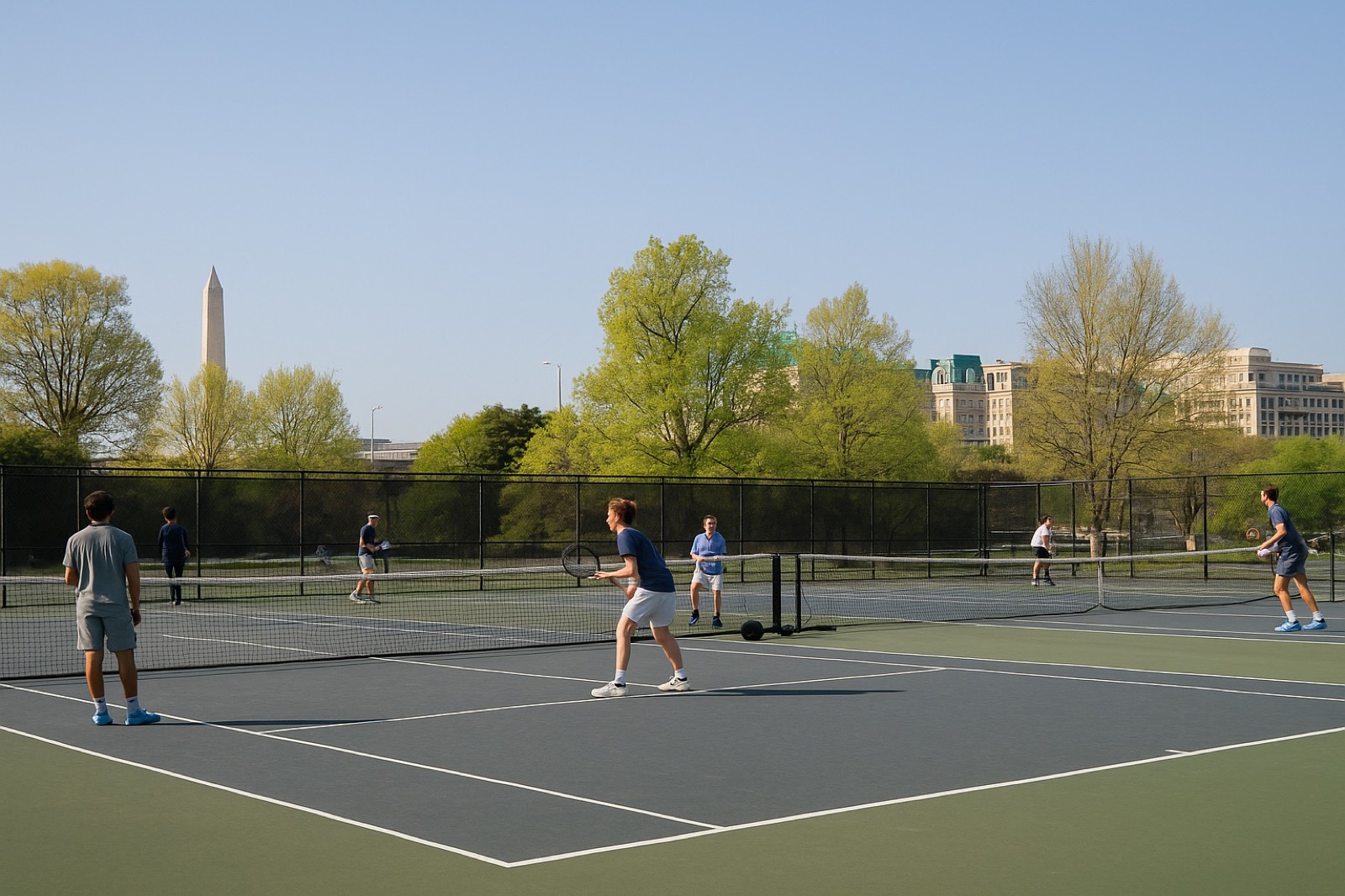
East Potomac Racquet Sports
The second entry in this category is being built on federal parkland. The National Park Service awarded the long-term lease at Hains Point to East Potomac Racquet Sports, which is rebuilding the historic East Potomac Tennis Center as a tennis, pickleball, and padel facility on the Potomac waterfront — ten minutes from the Capitol. The operator has targeted a Summer 2026 grand opening; as of early August 2026 the courts and clubhouse were still listed as under construction. Check racquetsatthepoint.com before making the trip, and see our DC padel guide for the rest of the district's pipeline.
Public Parks, Private Operators
This is where most Americans will actually find no-membership padel. The land is public, the courts are run as a concession, you pay by the hour, and nobody asks whether you belong.
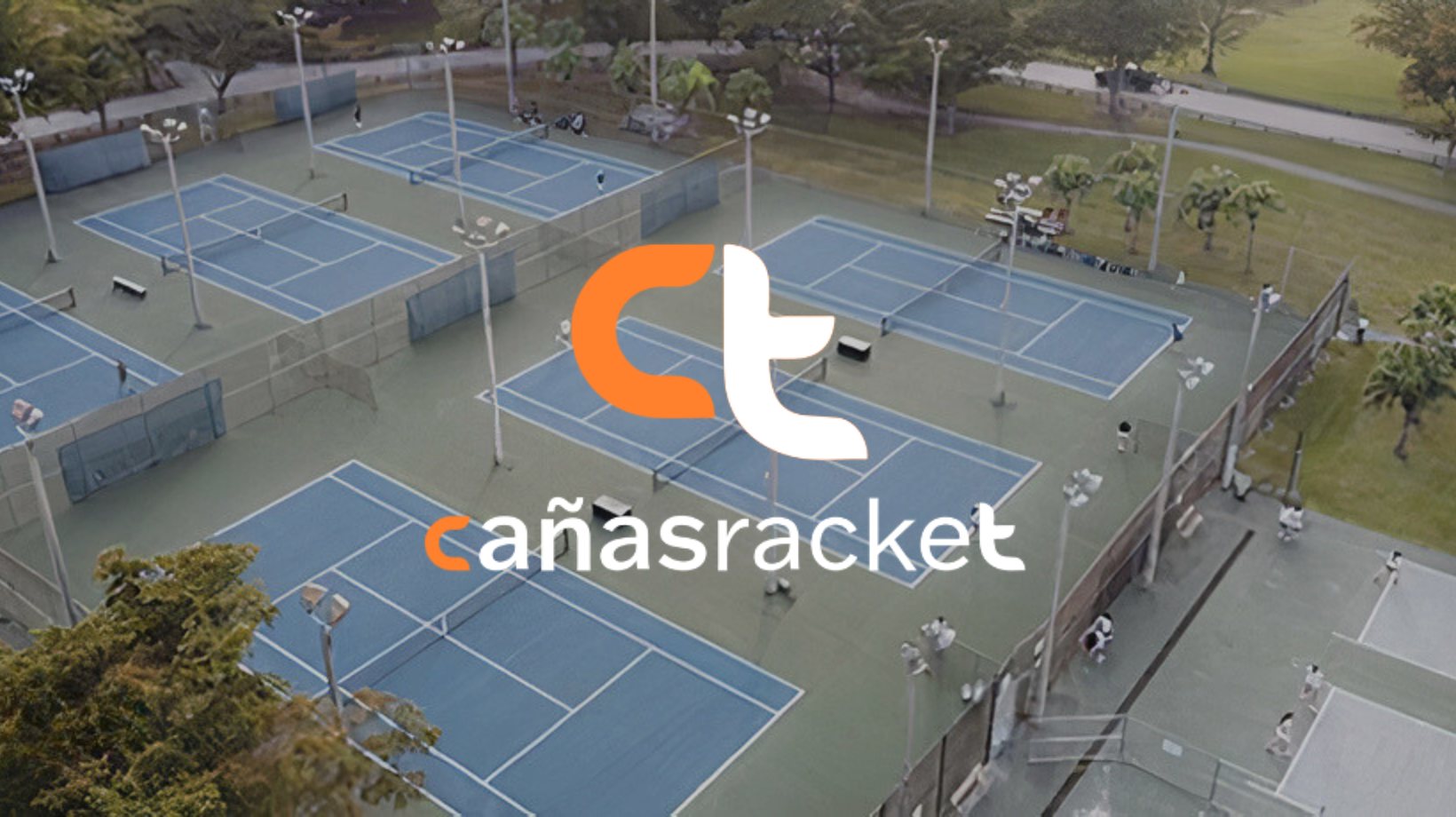
Tropical Park Tennis Center
Three outdoor courts inside a Miami-Dade county park off SW 40th Street, operated under concession by Cañas Racket. Lights mean evening play, and the clinic schedule is genuinely beginner-friendly — one of the easier places in Miami to turn up alone and get into a game. Rates are set by the operator, not the county, so confirm on the booking page first.
Courts: 3 | Type: Outdoor | Rating: 4.4★
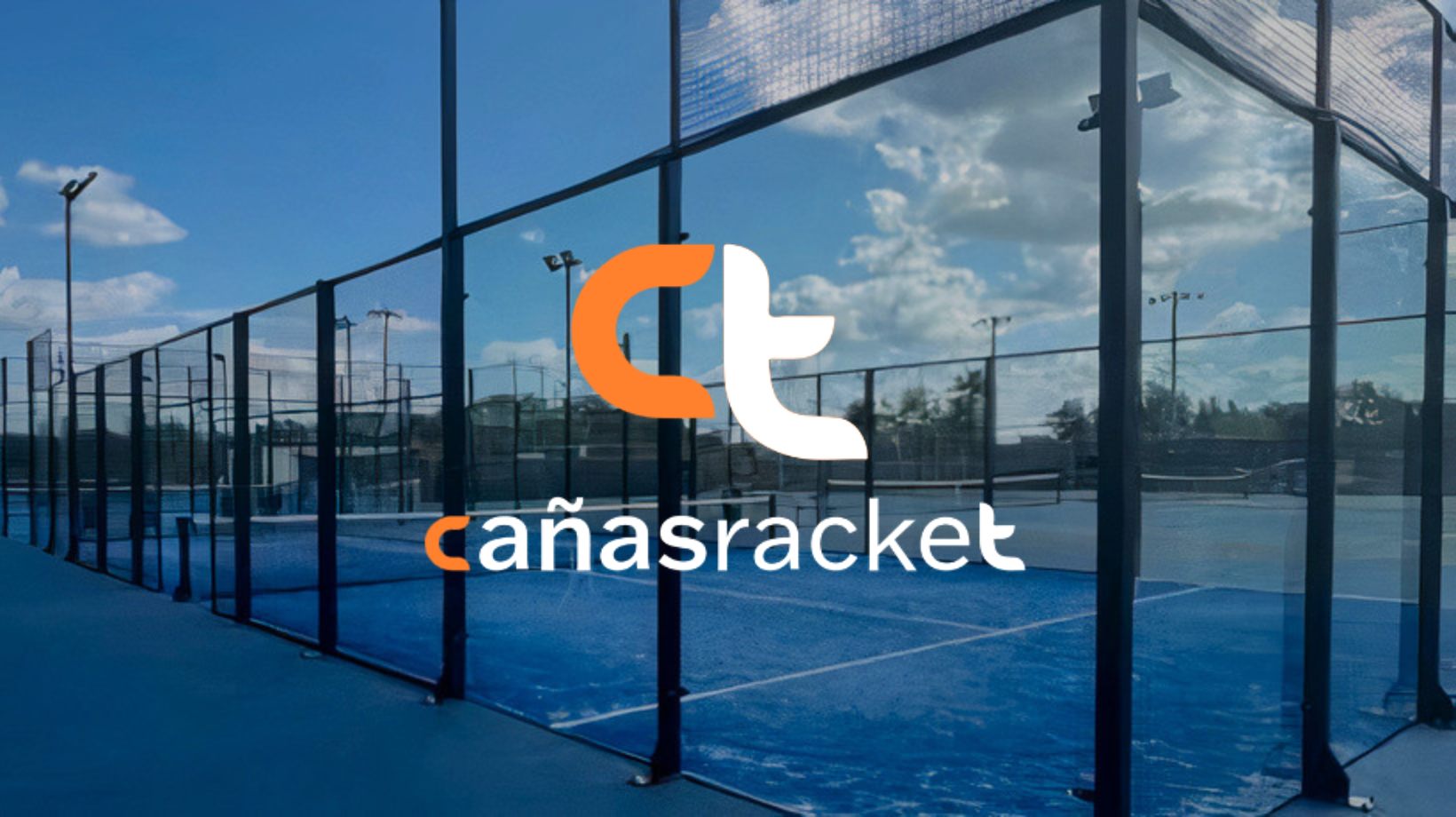
Canas Racket Ives Estate Park
The larger of Cañas Racket's two county-park sites, with six outdoor courts at Ives Estates Park near the Miami-Dade/Broward line. Six courts is enough that there's usually something moving on a weekday evening. Convenient if you're coming from North Miami or Aventura rather than fighting your way south.
Courts: 6 | Type: Outdoor | Rating: 4.5★
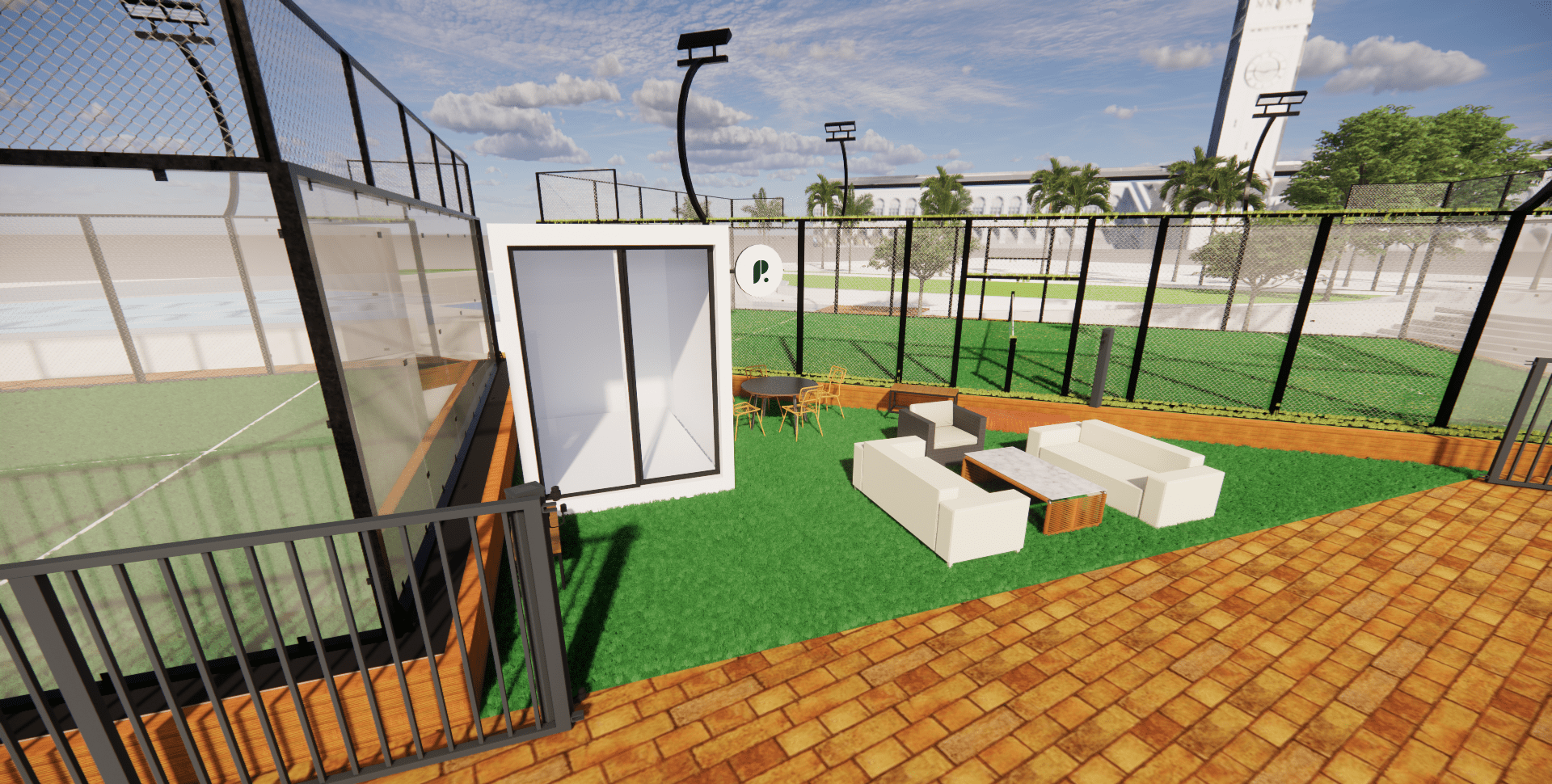
Park Padel
Three outdoor courts on a city plaza on the Embarcadero, Bay on one side and downtown on the other. Booking runs through Playtomic and is open to anyone; members get a discounted rate rather than exclusive access. The SF Rec & Park arrangement that put the courts there originally included complimentary midweek community hours — worth confirming with the operator, since the schedule has changed since the pop-up years.
Courts: 3 | Type: Outdoor | Rating: 4.7★
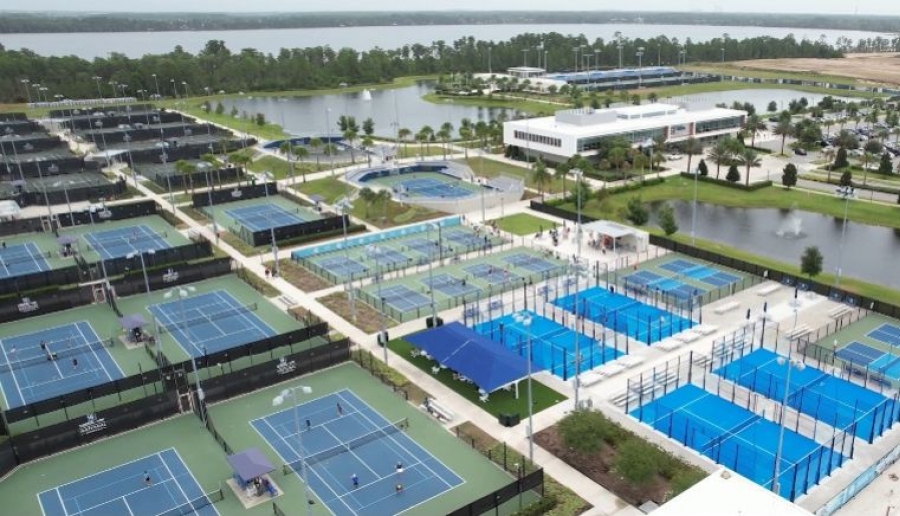
USTA National Campus
Four outdoor padel courts inside the USTA's 100-court flagship in Lake Nona. Despite being the home of American tennis, the campus operates as a community facility with no membership — you book a court like anyone else, then walk past players who are very much not like anyone else. The best-rated venue on this list, and a reasonable centerpiece for a trip built around padel in Orlando.
Courts: 4 | Type: Outdoor | Rating: 4.8★
Pay-Per-Play Clubs Worth Knowing
Private buildings, public doors. These three are worth singling out because they've made no-membership access explicit rather than burying it in a pricing FAQ.
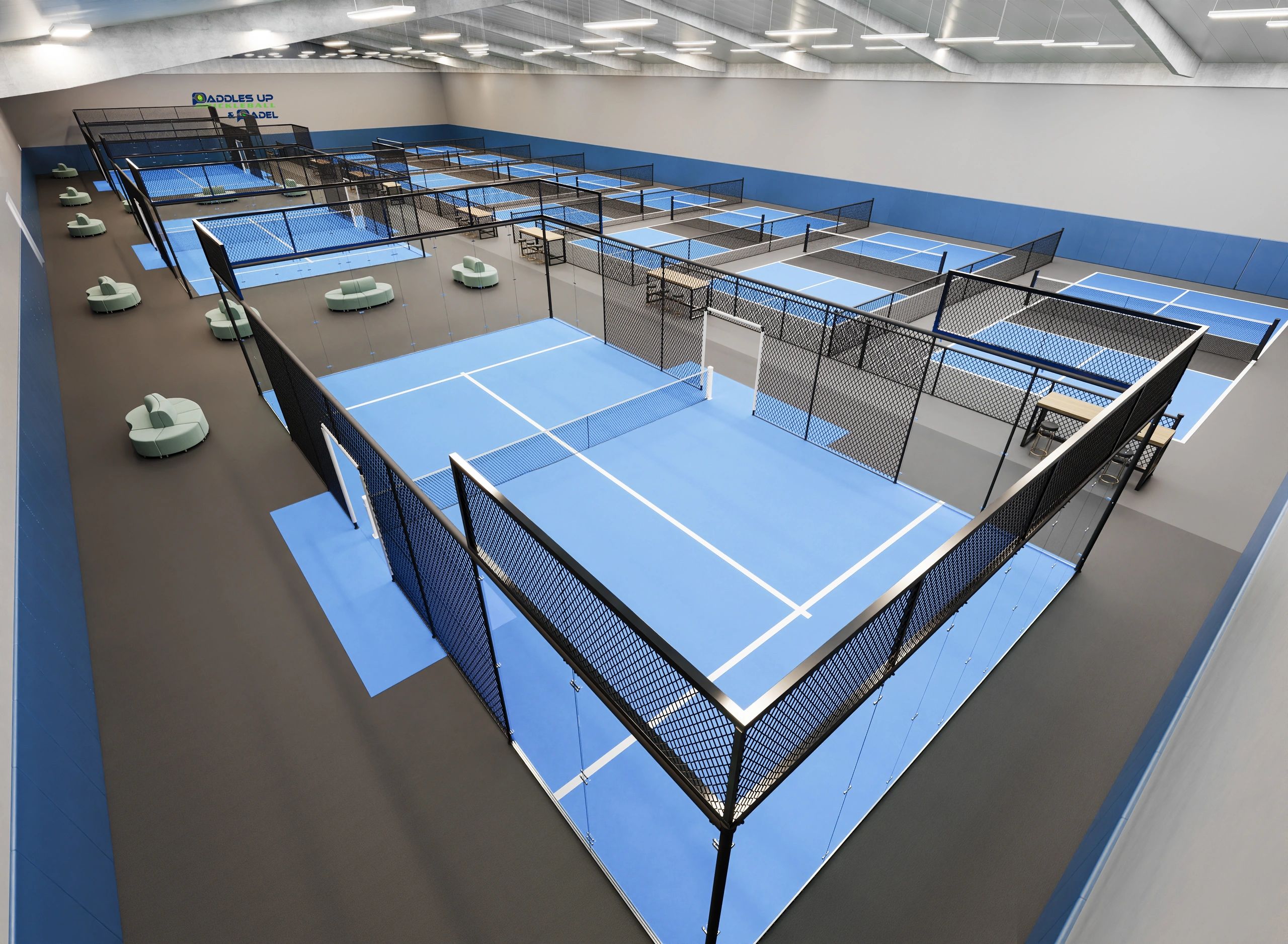
Paddles Up Pickleball & Padel
Three padel courts and ten pickleball courts under one climate-controlled roof in Suffolk County — the first padel on Long Island that didn't come attached to a private club. The pickleball crossover means a steady supply of curious racquet-sport people trying padel for the first time, which is a good environment to be a beginner in. A counterweight to the members-first clubs elsewhere in New York.
Courts: 3 | Type: Indoor | Ceiling: 28ft | Rating: 5.0★
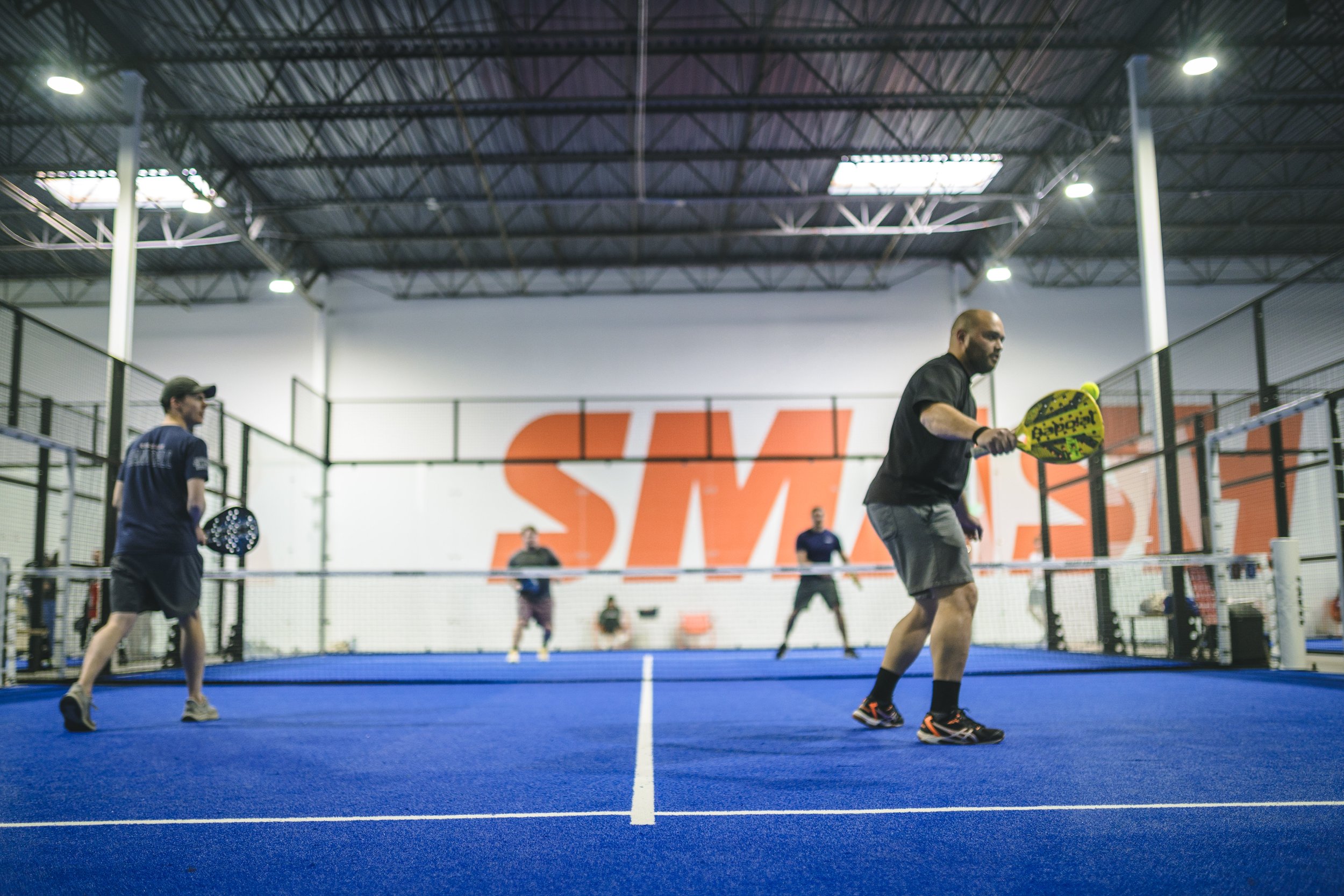
Smash Padel
Colorado's first padel club, built into a 25,000-square-foot converted warehouse on Boulder's Spine Road. Five indoor courts, programming for every level, and no membership gate — a membership exists and lowers your hourly rate, but you can book without one. Indoor matters more than usual here: Front Range weather ends outdoor sessions with no notice.
Courts: 5 | Type: Indoor | Ceiling: 28ft | Rating: 4.9★
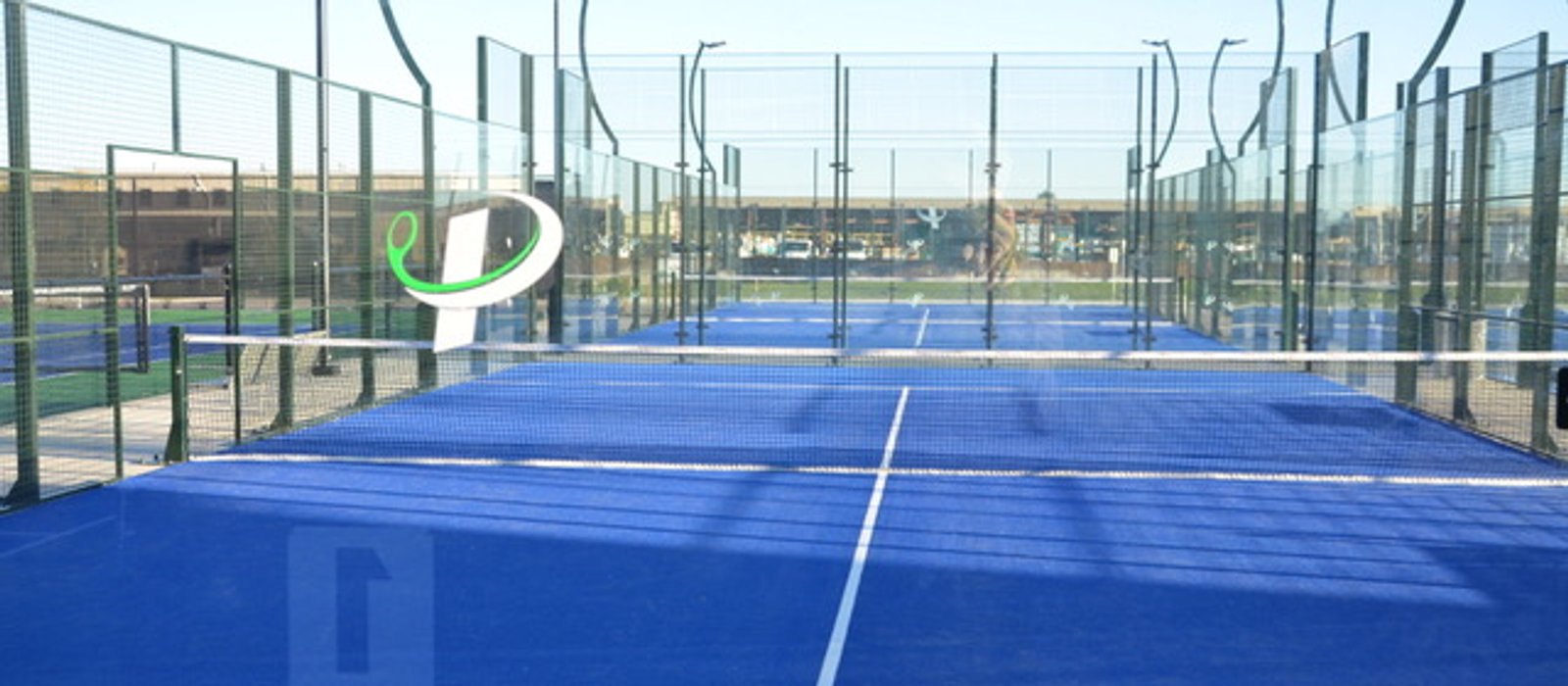
Parker Racquet Club
Four outdoor padel courts southeast of Denver, attached to a six-court indoor tennis operation. Non-members are welcome, and the club runs free bi-weekly intro clinics — the cheapest way to find out whether you like padel before spending anything on it. If you have never played, start here rather than booking a court and hoping.
Courts: 4 | Type: Outdoor | Rating: 4.7★
How to Tell Before You Drive There
Four checks that take about ninety seconds and save you a wasted trip:
- Look for a public booking link. If a club's site sends you to Playtomic, PlayByPoint, or CourtReserve with visible open slots and a price, it sells court time to non-members. If the only button is "Inquire About Membership," it doesn't.
- Separate the membership from the gate. Most pay-per-play clubs sell a membership and take open bookings; the membership just lowers the rate. Look for a non-member price in the rate table — if there isn't one, that's your answer.
- Ask about rackets. Clubs that rent or lend rackets are set up for people who don't own gear, a reliable proxy for beginner-friendly. Clubs that assume you brought your own usually assume you're a member too. If you decide to buy, Racket Central is the best US starting point.
- Check what an hour actually costs. Court fees split between four players, so a $60 court is $15 a head. Our guide to what padel costs in the US breaks down the per-session numbers.
Every club page on Padel Browser lists court count, indoor or outdoor, and a direct link to the operator's booking system, so you can check availability before committing to the drive. New to the sport? Start with what padel is and how it's played, then find the nearest court that will let you on it.
Frequently Asked Questions
Continue Reading
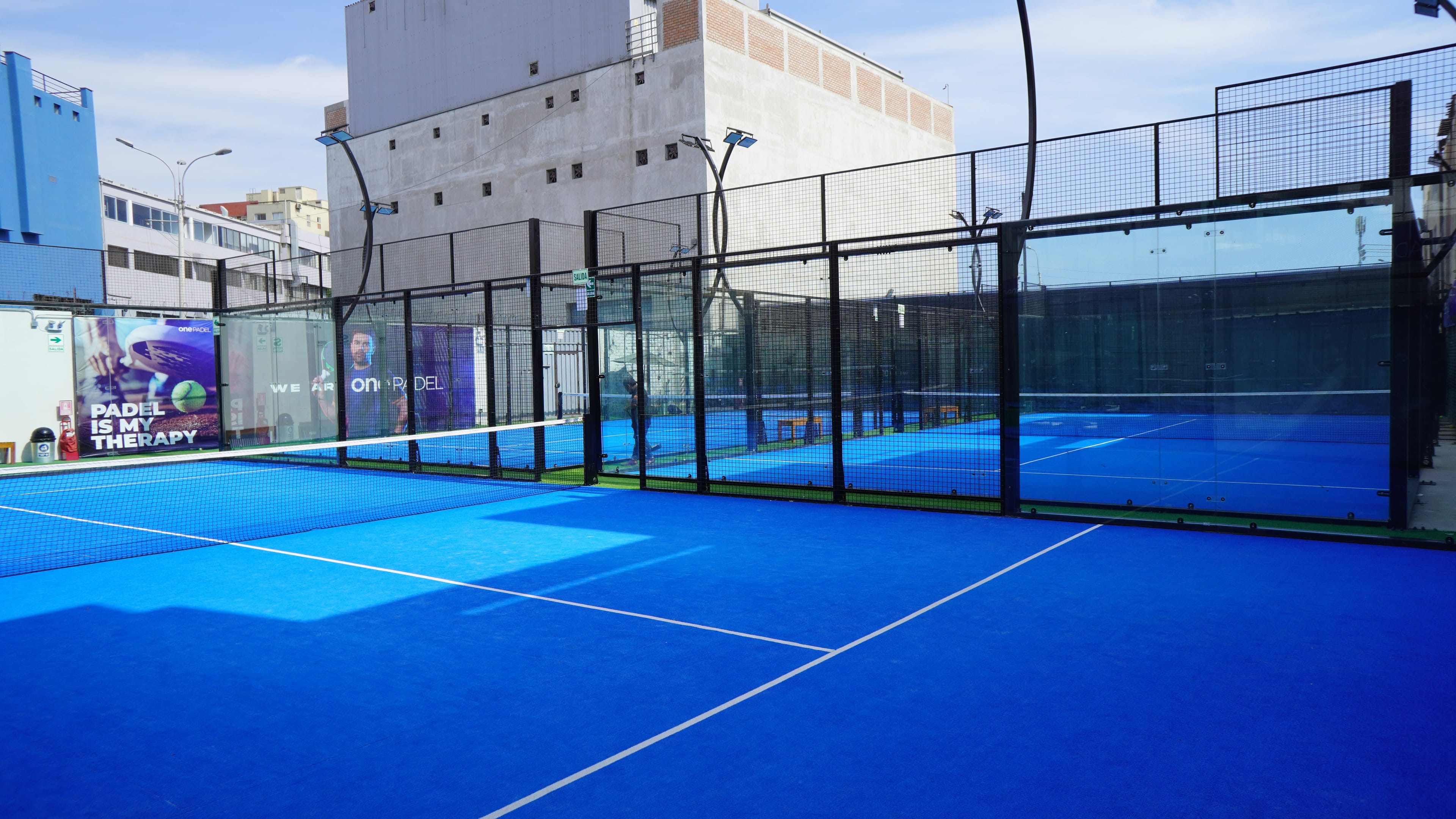
Padel Line Calls: How to Settle Disputes Without a Ref
Padel Line Calls: How to Settle Disputes Without a Ref
Club padel has no umpire — and the FIP rulebook never explains what to do without one. Here is the actual decision procedure: who makes each call, why every genuine line call in padel is a serve call, and what to do about the point nobody agrees on.
How to Defend the Smash in Padel: Surviving the Por Tres
How to Defend the Smash in Padel: Surviving the Por Tres
Smash defense in padel is a reading problem, not a power problem. Here is how to tell which overhead is coming, where to stand, and which of four responses to pick — plus what the FIP rulebook actually says about chasing a por tres out the side door.
Golden Point vs Advantage: Padel's 40-40 Rule Explained
Golden Point vs Advantage: Padel's 40-40 Rule Explained
Padel has three ways to settle a game at 40-40, not two: advantage, golden point, and the Star Point that the FIP made the professional standard for 2026. Here is how each one works, who uses it, and how the deciding point changes the way you should play it.