
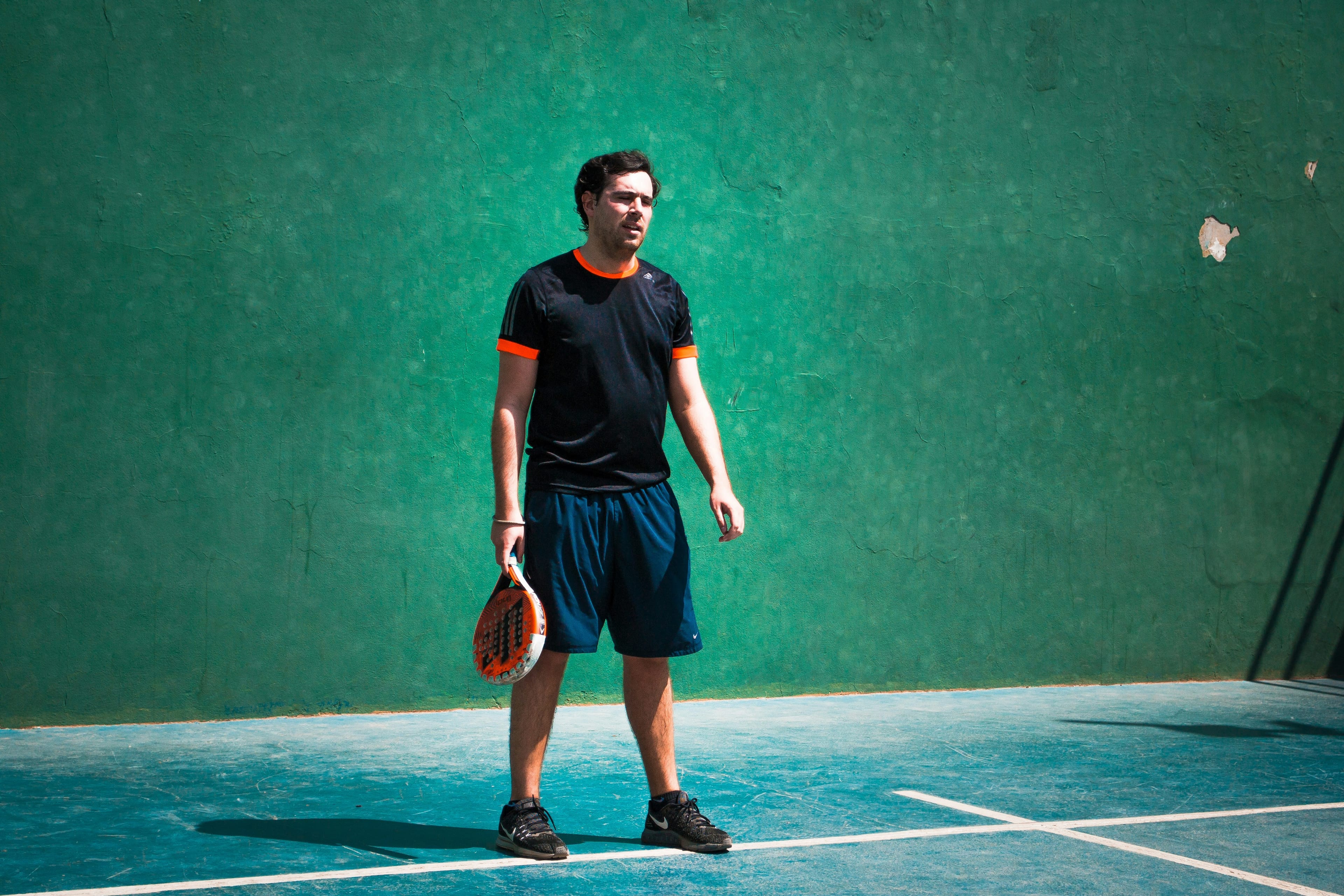
What is Padel? The Fastest-Growing Sport in America

What is Padel? The Fastest-Growing Sport in America
A doubles racquet sport played on enclosed glass courts — and it's taking the US by storm
Padel in 30 Seconds
Padel (pronounced "pah-DEL") is a doubles racquet sport played on an enclosed court with glass walls. Think of it as a mix of tennis and squash: you use a solid, stringless racket to hit a ball over a net, but the glass walls around the court are in play — balls can bounce off them and remain live.
It's the world's fastest-growing racquet sport, with an estimated 25+ million players globally. In the US, padel hit an all-time search interest high in 2025, and new clubs are opening monthly across the country.
How It's Different from Tennis
If you know tennis, padel will feel familiar but distinct:
- Smaller court — A padel court is about 25% smaller than a tennis court
- Enclosed by glass — The walls are in play, creating longer rallies and more strategic depth
- Solid racket — No strings, shorter handle, holes in the face for aerodynamics
- Underhand serve — Always served underhand, making it accessible from day one
- Doubles only — The standard format is always 2 vs 2
- Same scoring — 15, 30, 40, game — identical to tennis
The biggest difference is wall play. In padel, a ball that bounces and hits the back glass can still be returned. This means rallies last longer, "impossible" shots get retrieved, and the game rewards positioning and strategy over raw power.
Why People Love It
It's Social
Padel is inherently social — it's always doubles, the court is small enough for conversation, and the pace allows players of mixed abilities to enjoy the same game. Many players describe padel as "the most fun you can have on a court."
It's Accessible
The underhand serve eliminates one of the hardest parts of tennis. Most beginners can rally within their first session. The smaller court means less running, and the solid racket is easier to control than a strung tennis racket.
It's Strategic
Wall play adds a dimension that doesn't exist in any other racquet sport. Reading angles off the glass, using the walls to create shots, and positioning with your partner create deep strategy that keeps experienced players engaged.
It's a Workout
Don't let the "easier than tennis" framing fool you — padel is physically demanding. Constant lateral movement, quick reflexes at the net, and 60-90 minute sessions make it an excellent full-body workout.
The US Padel Scene
Padel is growing fastest in Florida (especially Miami), New York (Brooklyn leads), Texas (Austin and Houston), and California (LA and San Diego). Virginia, Arizona, and Connecticut are emerging markets.
The sport received a major boost from the USPA (United States Padel Association), and professional circuits like Premier Padel are bringing world-class competition to US venues.
How to Get Started
- Find a club — Browse padel courts near you on Padel Browser
- Rent equipment — Most clubs rent rackets, so you don't need to buy anything upfront
- Learn the rules — Check our beginner's guide to padel rules
- Grab a partner — Padel is doubles, so bring a friend or join a club mixer
- Have fun — You'll be rallying within minutes
Frequently Asked Questions
Continue Reading
Padel at US Resorts & Hotels: All 19 Venues (2026)
Padel at US Resorts & Hotels: All 19 Venues (2026)
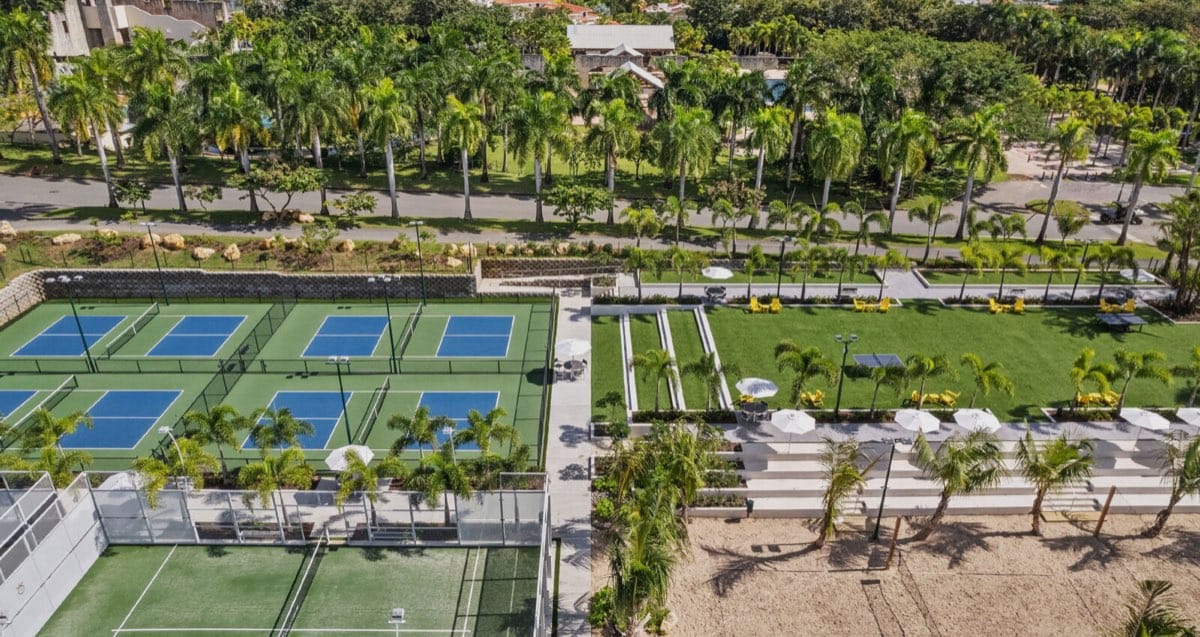
We pulled every resort, hotel and inn in the US with a padel court on site: 19 venues, 33 courts, and not one of them indoors. Here is what each property actually has, what it costs, and exactly which ones will let you book without a room or a membership.
Playtomic vs Playbypoint: How to Book US Padel Courts
Playtomic vs Playbypoint: How to Book US Padel Courts
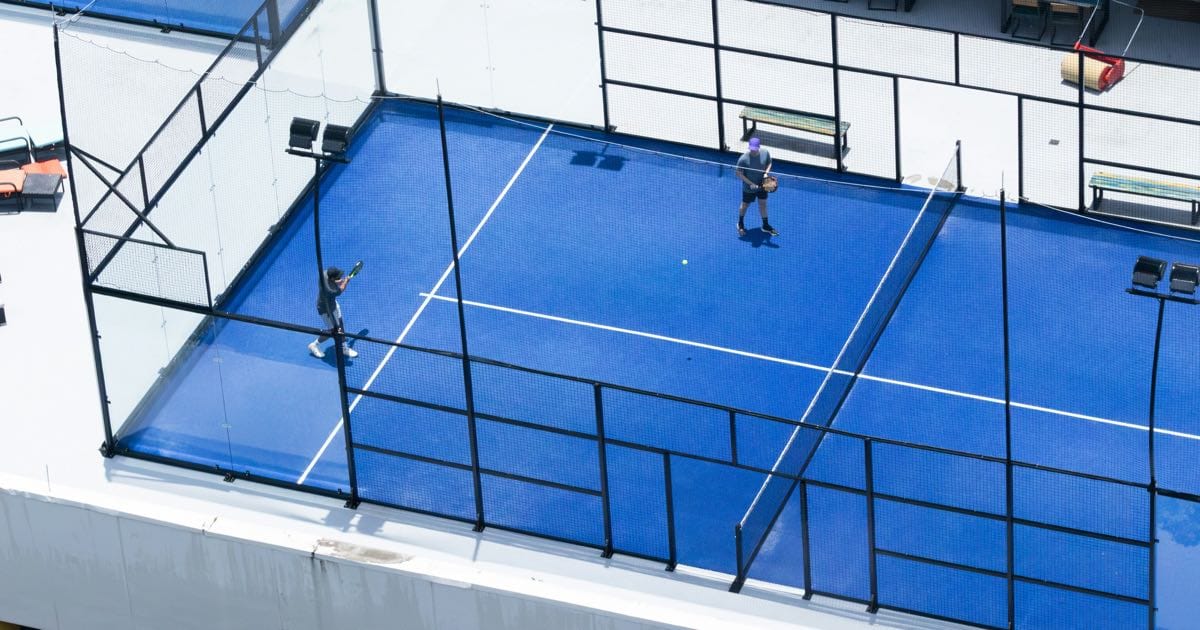
Three apps take almost all US padel bookings, and they split the country by region rather than nationally. We recorded the booking platform on all 392 active US padel clubs to show which app you actually need in your metro — and the 45% of clubs no app can book at all.

Padel Courts in North Carolina: Where to Play in 2026
Padel Courts in North Carolina: Where to Play in 2026
North Carolina has six padel clubs across four cities, with 17 courts open today and 18 more announced. Charlotte holds 14 of them across three venues, all open to non-members, while Raleigh's only courts sit behind a country club membership. Here is every club, what it costs, and which announced projects are further off than the listings suggest.