
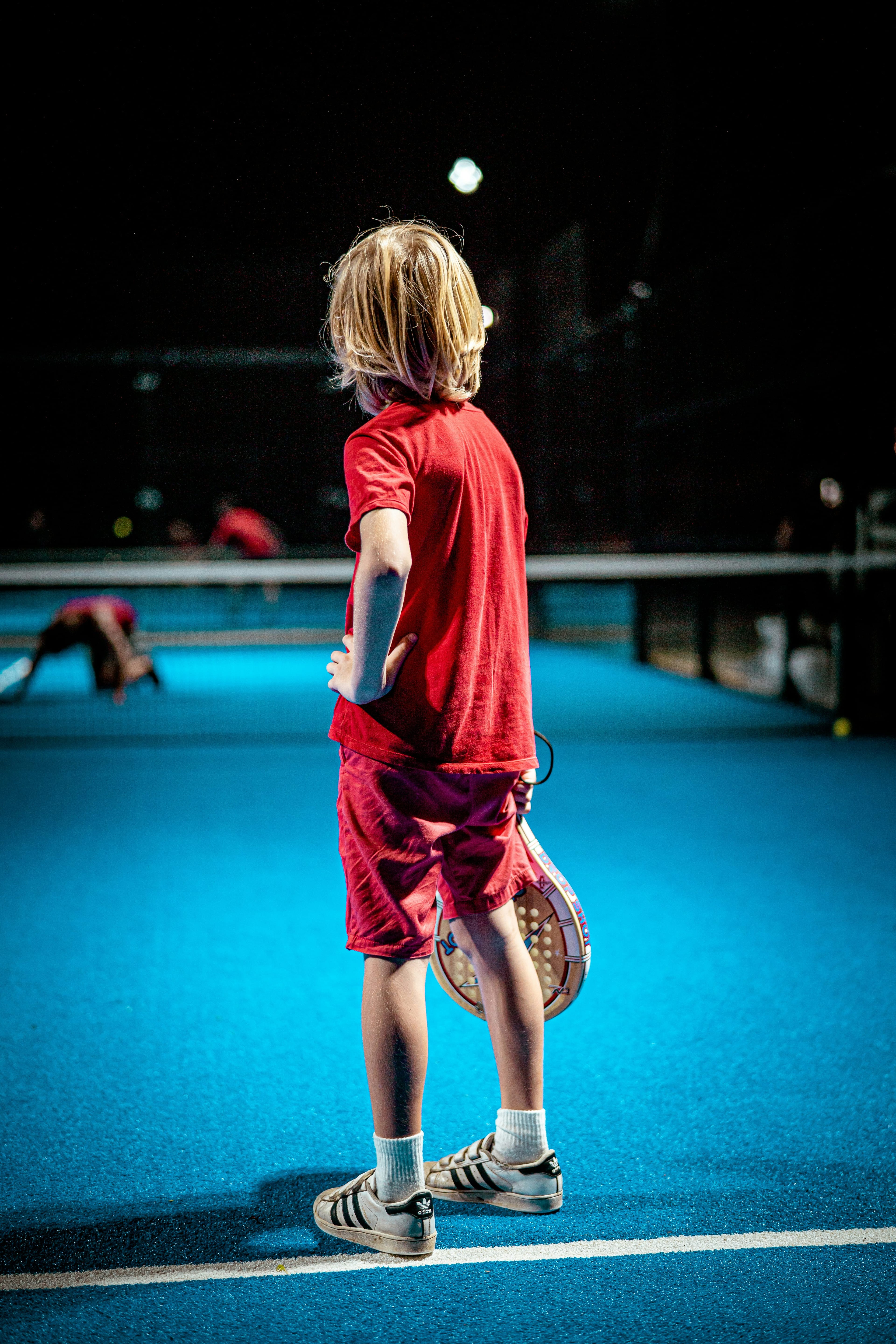
Playing Padel in Cold Weather: A Winter Padel Guide

Playing Padel in Cold Weather: A Winter Padel Guide
How cold kills the ball, slicks the glass and stiffens your forearm — and which northern metros have indoor courts.
August is when the heat guide gets used. This is the one to bookmark. In three months the northern half of the country stops playing the padel it played all summer — and most of those courts are outdoors.
Of the roughly 350 active clubs in our database, 169 are outdoor-only and 137 are fully indoor, with another 33 running both. So for a large share of American players, winter padel is not a heated warehouse. It is the same court you have been on since May, at 38°F. Here is what actually changes, and what to do about it. (This is the companion piece to playing padel in the heat — almost everything that made summer hard reverses.)
What Cold Actually Does to the Game
The ball goes dead
A padel ball is a pressurised container, and the pressure inside it follows the air temperature around it. Cool it and it loses bounce. The swing between a hot summer day and a near-freezing one is on the order of 1.5 PSI of internal pressure, which sounds negligible and does not play like it. Cold air is also denser, so it drags harder on anything moving fast: your smash and your bandeja arrive slower than you hit them.
The consequence that matters most is the back glass. Padel defence is built on the rebound — let the ball pass, take it off the wall, lob, reset. In the cold the ball comes off the glass low, slow and short, dying before it reaches the spot you would normally recover to. At the same time, the smash that would have bounced out of the court in July stays in. Fewer clean winners at one end, less rescue at the other, and every point has to be constructed rather than hit.
Glass and turf get slick
Cold panoramic glass plus four warm bodies is a fogging problem. On a still, damp morning the inside of the back wall clouds over and the rebound becomes unreadable until someone wipes it. Outdoor courts also hold dew and frost overnight, and both take far longer to burn off in December than the booking system assumes.
The turf changes too. Wet sand-filled turf gives noticeably less bite on the change of direction, and the base underneath can freeze, which makes the court feel harder and takes more out of your knees. The fibres themselves do not freeze; the water sitting on them does. Indoor versus outdoor padel covers the rest.
Your body gets tight
Cold constricts blood vessels and pulls blood toward your core, leaving muscles and tendons stiffer and less able to absorb force. Padel concentrates that risk in the forearm: repeated off-centre contact with a ball that feels heavy, transmitted through a cold, tight wrist, is a reliable route to lateral epicondylitis. Our guide to common padel injuries covers the rest — and if your elbow is already talking to you, winter is the wrong season for a stiff control racket. See soft rackets for tennis elbow.
How to Adjust Your Game in the Cold
Hit through the ball. A cold ball needs a fuller swing to travel the same distance. The abbreviated, compact stroke that worked in August leaves shots short.
Stand a step closer to the back glass. The rebound dies earlier than you are used to. Your summer recovery position leaves you reaching down at a ball that has already stopped.
Add topspin instead of pace. Flat drives sit up off dead turf. Topspin still makes the ball dip and kick when raw speed does nothing.
Stop hunting the winner off the smash. The bandeja or vibora that cleared the court in July comes back in January. Use the overhead to build the point rather than end it.
Lob more, and lob deeper than feels right. Denser air drags the lob down shorter than you intend, which is how you hand over an easy smash.
Treat the first two games as reconnaissance. Everyone is playing a slightly different sport than they were in September, including your opponents.
What to Wear
The rule is layers you can shed by game two. A long-sleeve base layer under a light zip jacket beats one heavy hoodie that binds your shoulder on the overhead, and compression sleeves keep the forearm warm without adding bulk to the swing.
Hands are the real problem: cold fingers grip harder, which tightens the whole arm and costs you touch on the volley. Keep them in your pockets between games, keep a hand warmer in the bag, and put on a fresh overgrip before a cold session, because a slick grip and cold damp hands compound. Cold, damp turf also gives less bite — best padel shoes by court surface covers which outsole suits it, and what to wear to play padel covers the full kit.
Balls in the Cold
Keep the spare tube inside your jacket, not in the bag on the cold floor. Rotate two tubes — one in play, one warming — and swap at the change of ends. A cold ball is not a dead ball: it recovers most of its bounce once it warms, which is exactly why the rotation works.
What does not recover is a tube that has spent a winter week in a car trunk. Balls stored cold lose pressure for good, and you will open a flat can. Store them indoors at room temperature. And unlike tennis, there is no mainstream pressureless padel ball to switch to for the season — the approved balls are all pressurised, so managing their temperature is the only lever you have. Our padel ball buying guide covers which models hold pressure longest, and Racket Central is the easiest place to stock up before winter.
Warming Up When It Is Below 50°F
Do not write a new warmup — extend the one you have. Our 10-minute pre-match sequence is the baseline. In the cold, double the pulse-raising section at the front and start it indoors, in the clubhouse or the car, before you walk out. Being warm when you step on court is the entire point.
Then treat the first five minutes of hitting as part of the warmup rather than a formality. No smashes until you have hit a hundred balls: the overhead is where cold shoulders and elbows fail.
Where to Play Indoors When It Is Genuinely Too Cold
Northern indoor supply has improved quickly. Where it exists today:
- Chicago — Illinois is the largest cold-weather state in our database where every active club has indoor courts — nine for nine. Proximo Padel, Union Padel Club and Cube Padel Chicago cover the city, with Alma Padel in Glenview and Padel Clube in Mundelein on the North Shore. Full rundown: where to play padel in Chicago.
- Philadelphia — Pennsylvania has 8 of its 13 clubs under a roof, concentrated on the Main Line: VIVA Padel Flourtown with five courts and 28-foot ceilings, PADELphia in Bala Cynwyd, and OH! Padel in Malvern.
- Boston — Massachusetts is four indoor clubs out of five: PADELHUB Boston with six courts under 35-foot ceilings, Bosse Sports, and Padel Boston in Dedham. See where to play padel in Boston.
- Denver and the Front Range — Colorado leans outdoor (4 of 11 clubs are covered), which matters at altitude in January. The indoor options are Racket Social Club Denver in Englewood with nine courts, Padel Haus Denver, and Smash Padel in Boulder. More in where to play padel in Denver.
- Salt Lake City — Utah is five of six indoors, including SLC Padel Club in Woods Cross, The Hive Padel Club, and Conquer Padel Club Lehi. See the Utah guide.
- Milwaukee — PADEL MKE is Wisconsin's indoor anchor, with Epic Padel Milwaukee in the pipeline. Details in where to play padel in Milwaukee.
- Ohio — Padel Square in Cleveland runs six indoor courts, with Cleveland Premier Padel in Avon Lake, CLVB Padel in Columbus and NewGen Racquet Club in Lewis Center covering the rest of Ohio.
- One-club metros — Minneapolis has The Heights Racquet & Social Club, Detroit has Zmash Padel in Sterling Heights, and St. Louis has Padel + Pickle. In the Pacific Northwest, Padel PDX and Foundry Padel serve Portland, and Seattle's indoor supply is arriving via Cascadia Padel in Kirkland — check club pages for opening timing.
And the honest version: Rhode Island, Vermont and Montana have active clubs but not one indoor court among them, and we track no active padel club at all in Maine, New Hampshire, Iowa, Nebraska, the Dakotas, Wyoming or Alaska. In those states, winter padel means a drive or an off-season.
Should You Play Outdoors in Freezing Temperatures?
Rough cutoffs, from a lot of cold sessions:
- Above 50°F — normal padel. Longer warmup, slightly deader ball, nothing else.
- 40 to 50°F — clearly a different game. Extended warmup, layers, ball rotation and the tactical adjustments above.
- 32 to 40°F — playable on a dry court, and better than you would guess. Padel's enclosure blocks the wind that makes tennis miserable at the same temperature, so once you are moving it is comfortable. Watch the back glass for condensation.
- Below freezing — the air temperature is not the deciding factor. Water is.
Frost or ice on the turf is a hard stop. Sliding is normal in padel, and a slide on a frozen surface ends against a glass wall. If you can see white on the fibres or the surface crunches underfoot, the court is not playable. And do not try to fix it: salt and de-icers clog a padel court's drainage and damage the surface. The clubs with covered courts will already be filling up — book ahead.
The Short Version
Swing fuller, stand closer to the glass, lob deeper, and stop expecting the smash to end the point. Layer so you can shed. Keep the ball tube inside your jacket. Double the warmup and start it indoors. And if there is frost on the court, that is not a padel day — check whether one of the indoor clubs above has a slot instead.
Frequently Asked Questions
Continue Reading
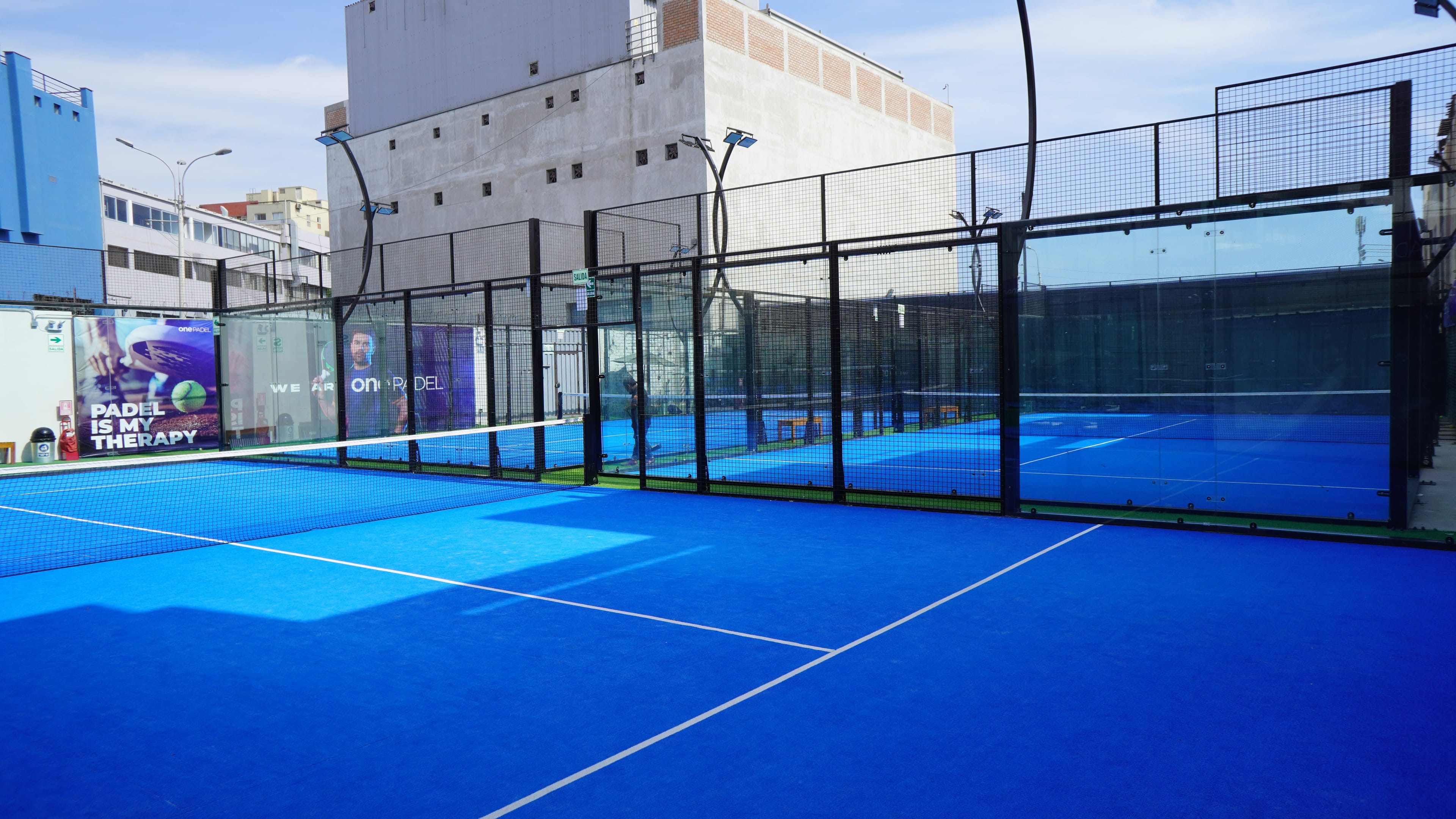
Padel Line Calls: How to Settle Disputes Without a Ref
Padel Line Calls: How to Settle Disputes Without a Ref
Club padel has no umpire — and the FIP rulebook never explains what to do without one. Here is the actual decision procedure: who makes each call, why every genuine line call in padel is a serve call, and what to do about the point nobody agrees on.
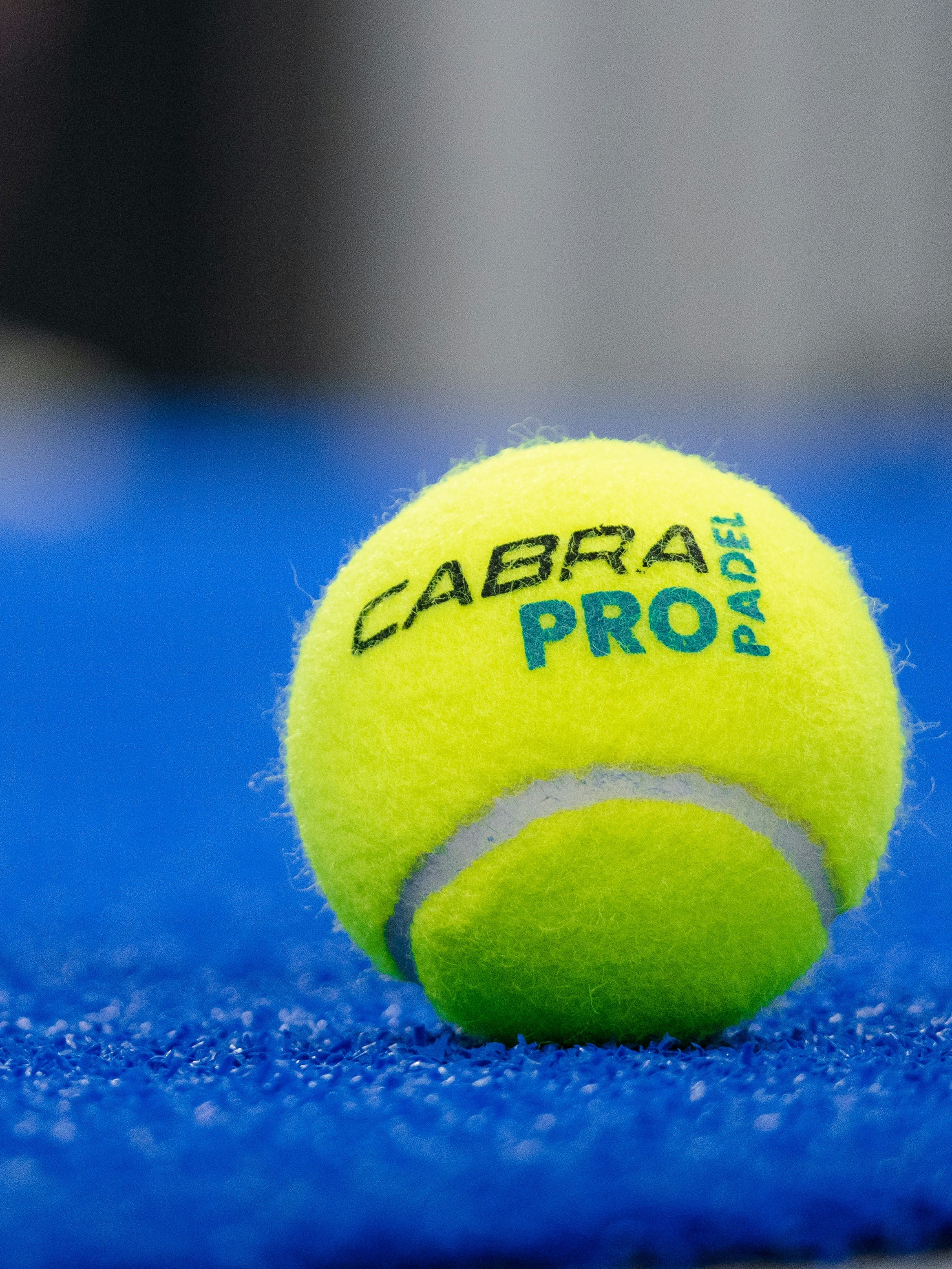
How to Defend the Smash in Padel: Surviving the Por Tres
How to Defend the Smash in Padel: Surviving the Por Tres
Smash defense in padel is a reading problem, not a power problem. Here is how to tell which overhead is coming, where to stand, and which of four responses to pick — plus what the FIP rulebook actually says about chasing a por tres out the side door.
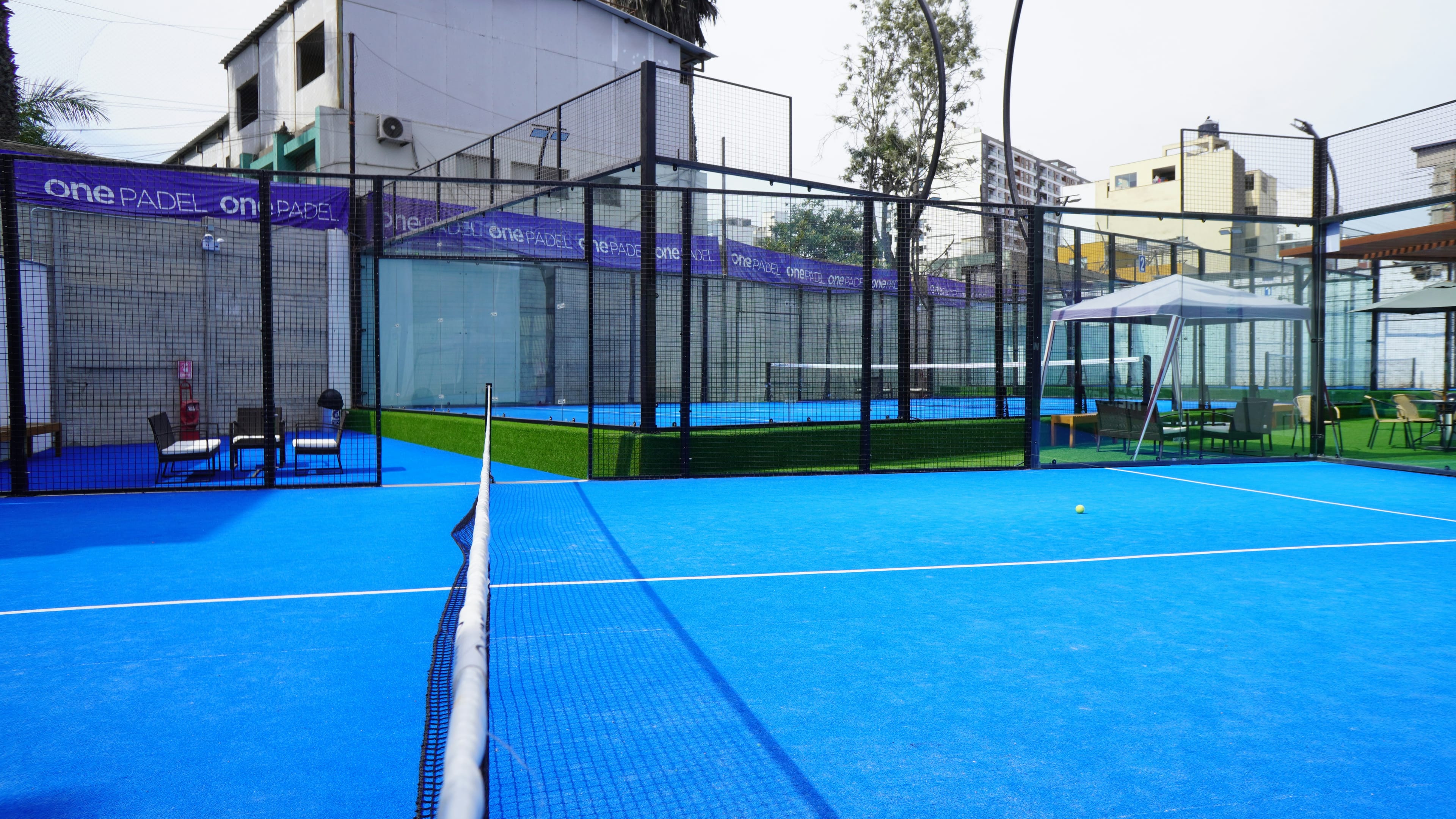
Golden Point vs Advantage: Padel's 40-40 Rule Explained
Golden Point vs Advantage: Padel's 40-40 Rule Explained
Padel has three ways to settle a game at 40-40, not two: advantage, golden point, and the Star Point that the FIP made the professional standard for 2026. Here is how each one works, who uses it, and how the deciding point changes the way you should play it.