


Best Padel Rackets Under $250: 2026 US Buyer's Guide

Best Padel Rackets Under $250: 2026 US Buyer's Guide
Eight frames in the $150-$250 band, the spec retailers don't publish, and the clearance gap worth $125
What another $100 actually buys you
The jump from a $140 racket to a $220 one is the most misunderstood upgrade in padel. Players expect a new car. It feels more like new tires: same vehicle, finally gripping the road.
This is the band where you stop paying for a brand name printed on a molded fiberglass frame and start paying for carbon cloth, a genuinely different head shape, and a core with a specified density. What it does not buy is a different swing. A $230 racket will not fix a late bandeja.
To write this we pulled every padel racket in stock between $150 and $250 at Racket Central in late October 2026 — 29 frames — then cross-checked every price we quote against Padel USA and padelpadel.us. Two things fell out that change how you should shop this band, and neither appears on any retailer's page.
What actually changes between $150 and $250
Carbon faces — but not on everything
Under $150, nearly every face is fiberglass. At $250, most are carbon. In between it is genuinely mixed, and the mix does not track price. The Head Radical Team 2026 is $199.95 with a fiberglass face and a Control Foam core. The Nox VK10 Ventus Control 12K is $220 with a 12K carbon face. Twenty dollars apart, two different categories of frame.
Fiberglass is not a downgrade in itself: it flexes more, feels softer, and punishes off-center hits less. Carbon is stiffer and returns more of your own energy, which only helps once you are generating energy worth returning. Our 3K vs 12K vs 18K carbon explainer covers the tow numbers, and the EVA vs FOAM core guide covers the half of the frame nobody markets.
Shape differentiation becomes real
Below $150, "teardrop" too often means a round mold with a pointier paint job. In this band the molds genuinely differ. Diamond frames put the sweet spot measurably higher — a real advantage on smashes, a real liability on everything else. That makes shape the first decision to get right, ahead of brand and ahead of face material. Start with padel racket shapes explained, then narrow with our teardrop and round roundups.
The spec almost nobody publishes
Of the 29 in-band rackets in stock, exactly one publishes balance as a number: the Pallap EvoForce Team 26, at 250–255 mm. Every other listing gives a word — "Low (Head Light)", "Medium (Even)", "High (Head Heavy)" — assigned by each brand against its own internal scale, not a standard. A "medium" Head and a "medium" Siux are not the same frame, and nothing on either page lets you find out by how much.
It gets worse. Racket Central tags the Nox Equation Hard Advanced 2026 as head-light while Nox's own description, on the same page, calls it medium balance. Both cannot be true.
Treat the balance word as a loose hint, use published weight as the number you can actually trust, and read our balance explainer before a tier label makes the decision for you.
What you still don't get — with one exception
Pro-tour 18K faces, flagship paint and tour endorsements normally live above this band, and for new current-season models that holds. Discounting breaks it: the Osaka Pro Tour Control is $228, down from $285, with an 18K Metallic TEXTREME carbon face and a Kevlar-reinforced layer. Pro-tier material, inside our band, because it is clearing.
The clearance rule: this is the one band where the store matters
US racket pricing is mostly MAP-locked — the brand sets a minimum advertised price and every retailer holds it. Our checks confirmed that: the Head Extreme Team 2025 is $209.95 at Racket Central, Padel USA and padelpadel.us, identical to the cent. For current-season stock, shopping around is a waste of your evening.
Clearance is where MAP stops applying, and this band is full of it right now. Nox's 2027 line has landed — Padel USA lists it at $360 to $415. To clear 2026 inventory ahead of it, Racket Central and Padel USA cut the Ventus range hard: the VK10 Ventus Control 12K to $220 from $350, and the EA10 Ventus Attack 12K Xtreme, EA10 Ventus Hybrid 12K Xtreme and ML10 Ventus Control 3K to $250 from $400.
padelpadel.us still lists those same three 2026 rackets at $300, $345 and $345.
Same racket, same season, same country, up to $125 apart. MAP holds the floor on current-season stock and does nothing once a retailer decides to clear. So check a second store on anything discounted — and don't bother on anything at full price. If you can wait, our guide to when to buy padel gear maps the discount calendar.
Our eight picks
Organized by what you need, not by brand. Every racket below was in stock when we checked; prices are Racket Central's as of 27 October 2026.
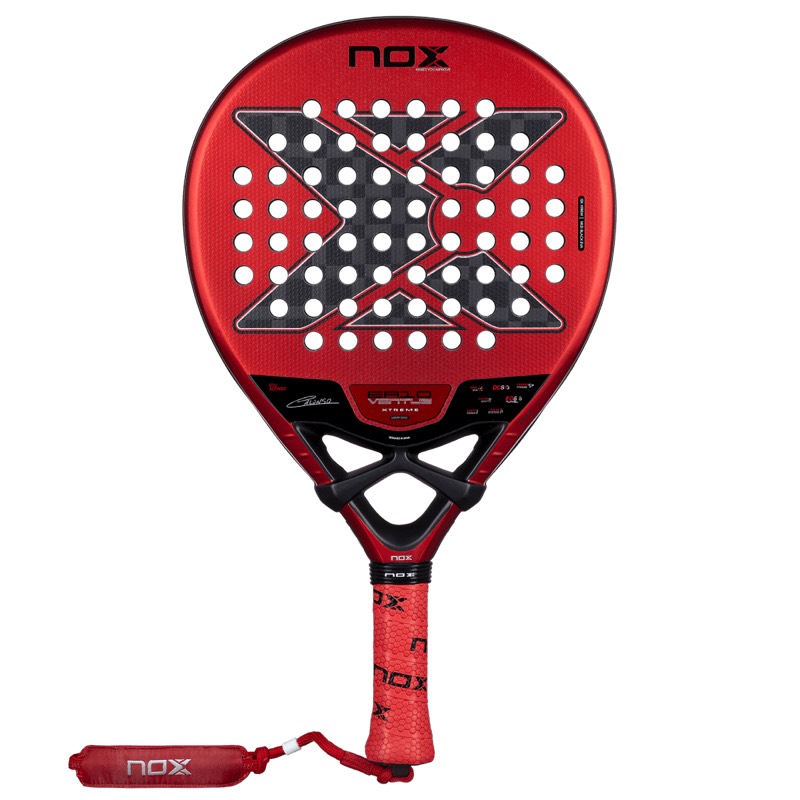
Nox EA10 Ventus Hybrid 12K Xtreme 2026
The best value-per-dollar frame in the band, and it is not close. This was a $400 racket eight weeks ago; the 2027 line landing pushed it to $250. You are buying last season's flagship hybrid mold with a 12K carbon face, not a mid-tier frame dressed up as one. Nox rates it 88 for power against 83 for control — an unusually flat profile for a racket that can actually end a rally.
Buy this if you want flagship materials and will accept last season's paint to get them.
Shape: Hybrid teardrop | Face: 12K carbon | Thickness: 38mm | Balance: Medium–high (brand label; not published in mm)
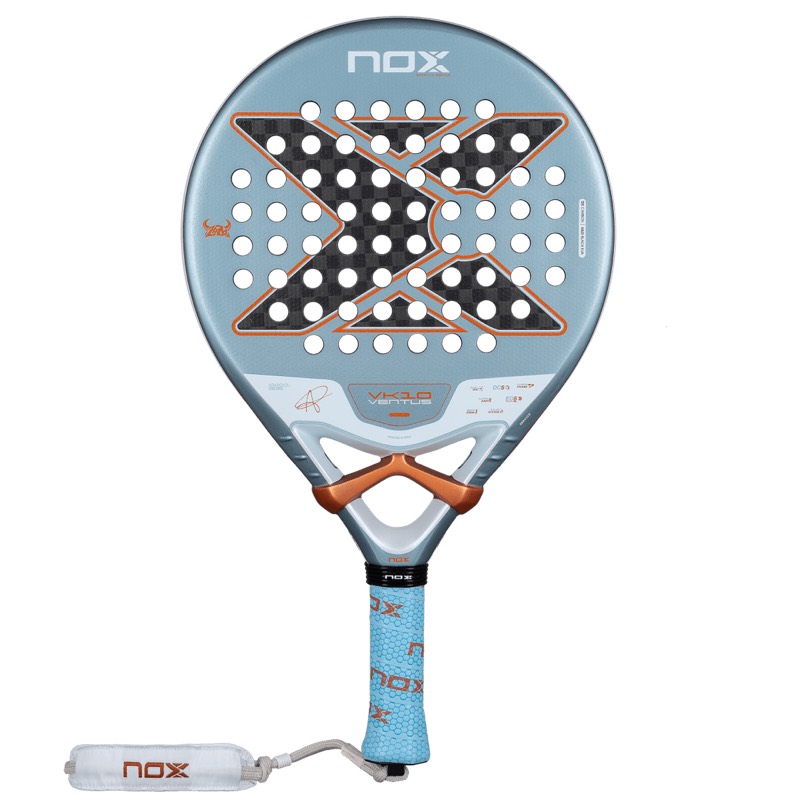
Nox VK10 Ventus Control 12K 2026
Aranzazu Osoro's frame, down from $350, and the most control-biased racket in the band — Nox rates it 92 for control against 72 for power. That is a deliberately lopsided racket, and you should want that if you win points by placement rather than pace. The round head and head-light feel keep it quick at the net, where control frames earn their money: punch volleys and bandejas stay on line when a head-heavy racket would drift long.
Buy this if your game is built on depth, angles and patience rather than finishing power.
Shape: Round | Face: 12K carbon | Thickness: 38mm | Balance: Medium–low (brand label; not published in mm)
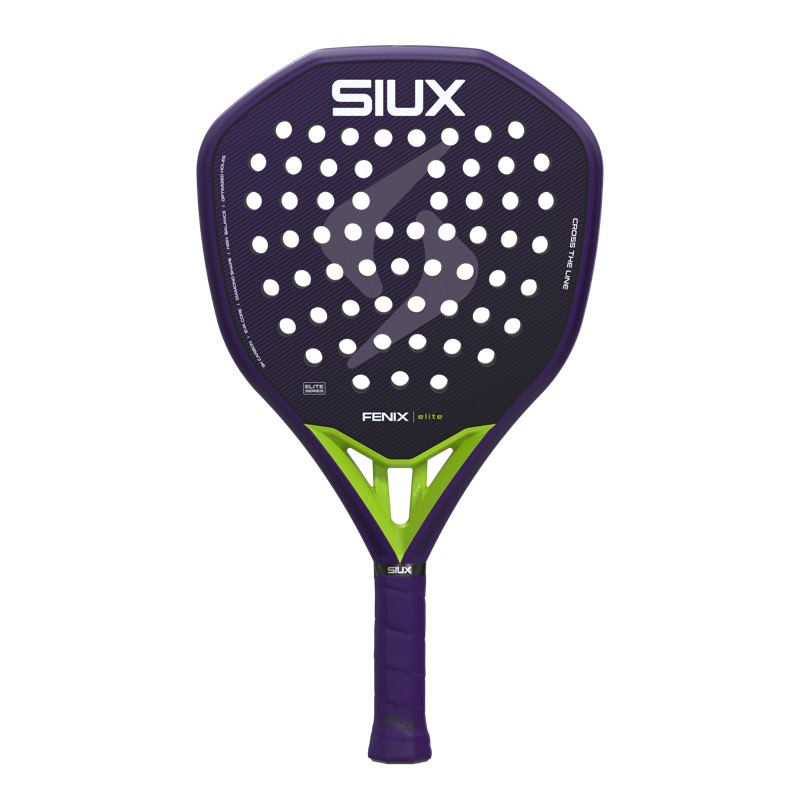
Siux Fenix Elite 2026
Most diamonds in this band pair mid-tier materials with an unforgiving shape, which is the worst combination in padel. The Fenix Elite is the exception because it is a discounted flagship: double carbon fiber faces over a high-density EVA core, cut from $299.99. At 365–380g with mass concentrated high, it is the most demanding racket on this list — mishits are punished and your arm will know about it after two hours. The overhead output is a genuine tier above everything else here.
Siux is one of the few brands whose US prices really do vary by store, and its generation naming is a mess — "Elite 4", "Elite 5" and "2026" all appear across retailers. Check what you are actually adding to the cart.
Buy this if you already finish points overhead and your technique can earn the stiffness.
Weight: 365–380g | Shape: Diamond | Face: Double carbon fiber | Core: High-density EVA
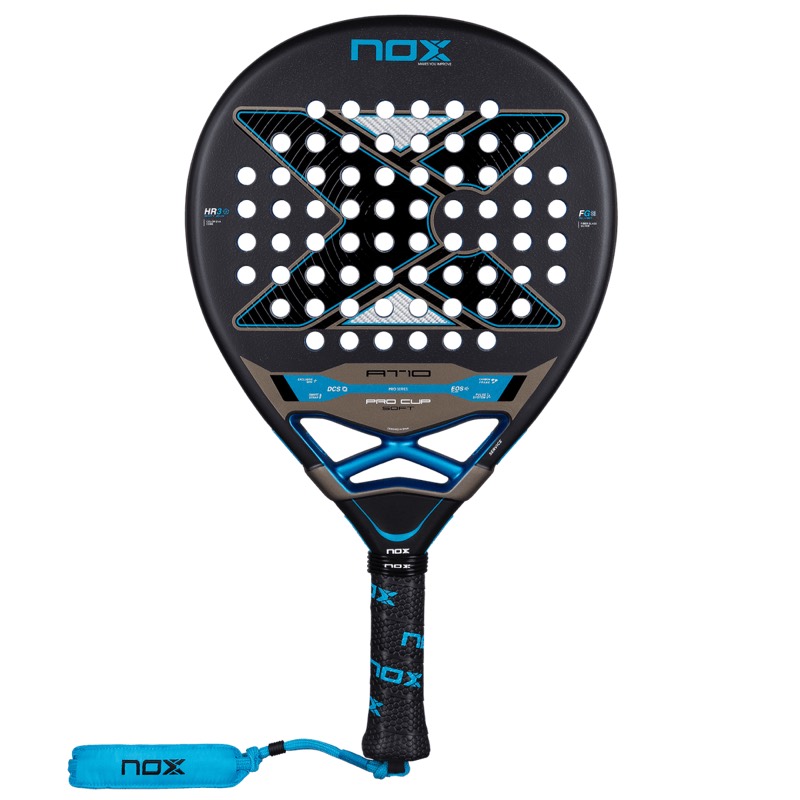
Nox AT10 Pro Cup Soft 2026
If your elbow has opinions, this is the pick. The soft-tuned EVA core and fiberglass face do something more useful than absorb shock: they produce depth without demanding a full swing, so you are not muscling every ball past the service line. It carries Agustín Tapia's AT10 name at a fraction of the signature frame's price, and at roughly 360g in a teardrop mold it stays quick enough for net play.
Buy this if you play three or more times a week, or if you have had elbow trouble and want to keep playing.
Weight: 360g (±10g) | Shape: Teardrop | Face: Fiberglass | Core: Soft-tuned EVA
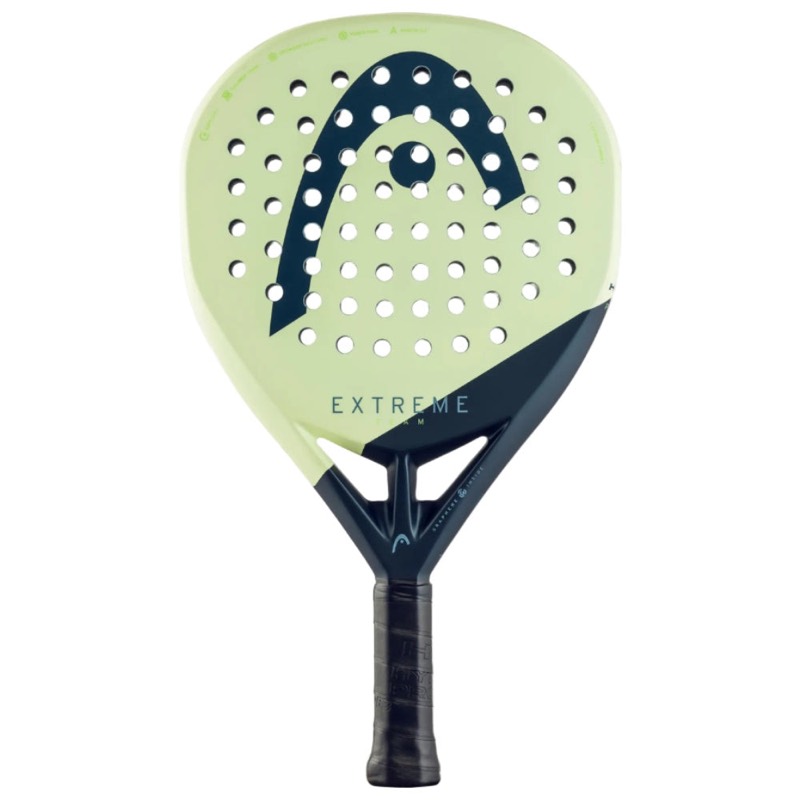
Head Extreme Team 2025
Tennis players arrive in padel with a long, fast swing and a habit of hitting through the ball. A head-heavy diamond rewards exactly that, and the Extreme's Auxetic 2.0 bridge keeps feedback clean enough that you can tell a good contact from a lucky one — the main thing a convert needs to learn.
Worth flagging: this frame is quoted around $230 in older write-ups including some of our own, and $169 elsewhere. Neither is current. We found it at $209.95 at all three retailers we checked, identical to the cent.
Buy this if you are coming from tennis and want a frame that rewards the swing you already own.
Shape: Diamond | Balance: Head-heavy (brand label; not published in mm) | Frame: Auxetic 2.0
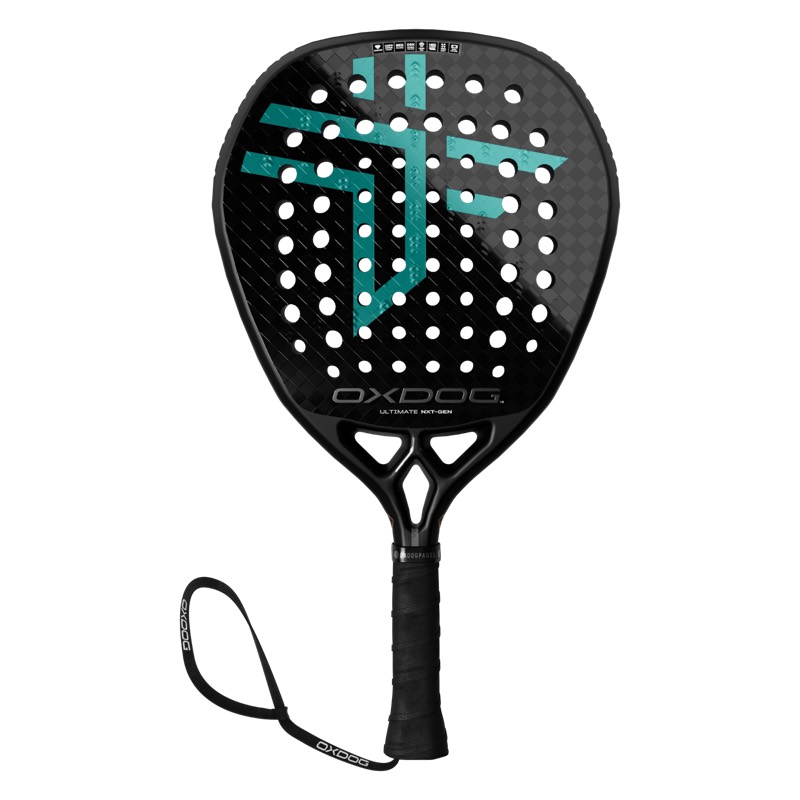
Oxdog Ultimate NXT-GEN
At 345g this is the lightest frame we are recommending, and the slim 35mm profile — most of the band sits at 38mm — makes it feel faster still. Thinner frame, less air resistance, quicker through contact. Oxdog pairs that with a soft foam core and an extended slim grip that genuinely helps two-handed backhands, a detail most brands ignore. It is nominally a diamond, but the even balance keeps it far more usable than that shape usually implies at this price.
Buy this if you are a smaller player, a junior, or anyone who finds 370g frames tiring by the third set.
Weight: 345g (±10g) | Shape: Diamond | Thickness: 35mm | Face: HES-Carbon
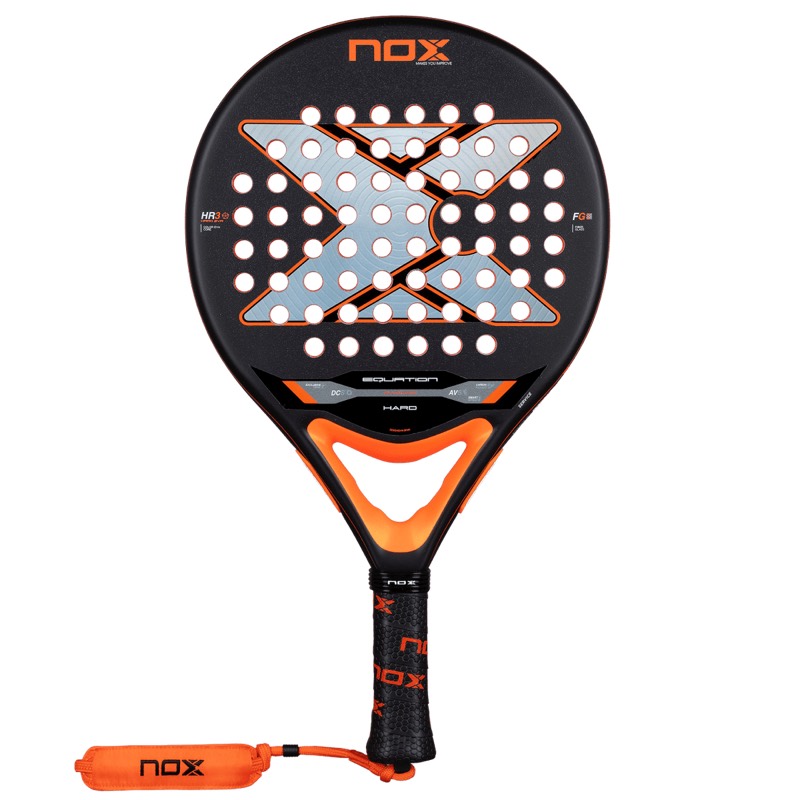
Nox Equation Hard Advanced 2026
The cheapest racket here that does not feel like a compromise. The Equation line is built around a wide sweet spot, and the Hard version firms the core for players who want direct feedback rather than a cushioned one — you feel where on the face you made contact, which is how you stop mishitting. It is $175 at both Racket Central and padelpadel.us, a true MAP price with no clearance game to play.
Buy this if you want a genuine step up from the budget tier without spending the full $250.
Weight: 355–365g | Shape: Round | Core: Hard EVA | Thickness: 38mm
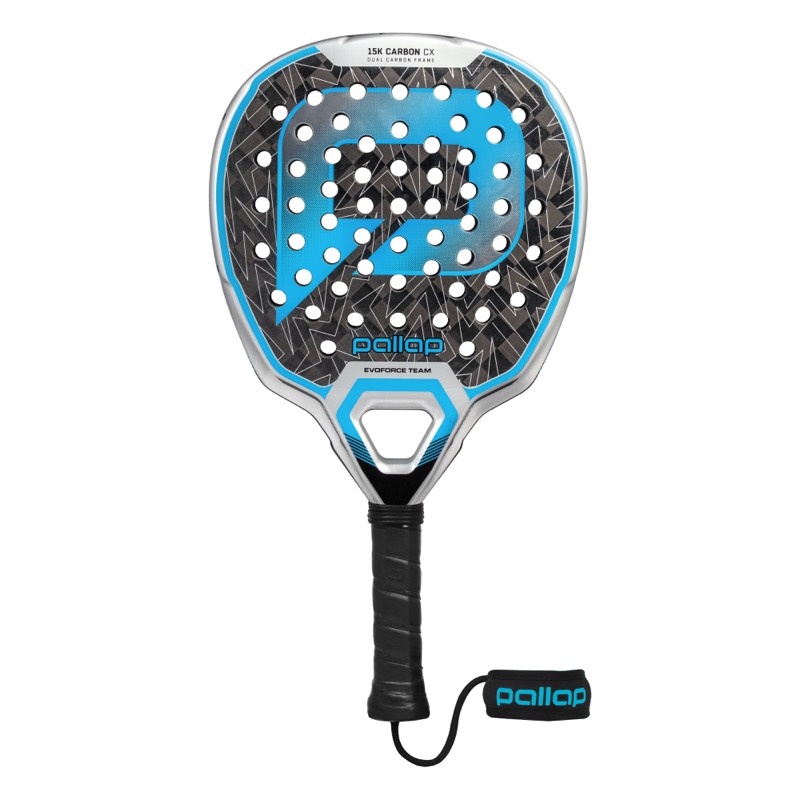
Pallap EvoForce Team 26
The only racket in the band that tells you where its balance point is: 250–255 mm, which is genuinely even. It also names its materials and their origin — a 15K Carbon CX face from Italy over a Puretouch 28 foam core from Spain — rather than hiding behind a trademark. That makes it easier to buy correctly. At 340–345g with even balance it is built for fast hands and reactive play rather than power, and Pallap's own 78-power, 88-control rating backs that up.
Buy this if you play quick exchanges at the net and want to know exactly what you are getting.
Weight: 340–345g | Shape: Hybrid teardrop | Balance: 250–255mm | Face: 15K Carbon CX
Where this band is a trap
New mid-tier diamonds
A diamond concentrates mass high in the head, narrowing the sweet spot and raising the penalty for an off-center hit. Flagship diamonds manage that with stiff, expensive layups that stop the frame twisting. Mid-tier diamonds often don't, so you get the demanding shape without the structural compensation.
Both diamonds we recommend above are discounted flagships, not new mid-tier designs. That is the distinction to shop on: if you want a diamond in this band, buy one that used to cost $300. Otherwise buy a teardrop.
Spec sheets that promise everything
The Lob PRO 18K sits at $194.99 with an 18K carbon face, a diamond shape, and a listing that rates it 10 out of 10 for power and 10 out of 10 for control. No racket does both — those are opposing design goals. When a listing claims otherwise, that is marketing copy, not a specification.
The broader trap is treating carbon tow count as a quality score. 18K describes how the cloth is woven, not how good the racket is; core density, mold and layup matter at least as much. A high tow count attached to a low price usually means the number is doing promotional work.
If you're new, buy less racket
If you have played fewer than about twenty times, skip this band. You will not feel what you are paying for, and you are still likely to change your mind about what shape suits you. Spend half as much, play a season, then buy deliberately — our best padel rackets under $150 covers that tier, and how to choose a padel racket walks the decision from scratch.
If you already play three times a week and compete, the honest answer runs the other way: you will outgrow the mid-tier frames here within a year. The exception is the clearance stock — a last-season flagship at $250 is the one purchase in this band that will not feel limiting in twelve months.
Shopping by skill level rather than budget? Our intermediate racket guide sorts the same market a different way, while how much a padel racket costs in the US explains what each tier buys across the whole range.
Frequently Asked Questions
Continue Reading
Best Padel Rackets Under $150 in the US: 2026 Picks
Best Padel Rackets Under $150 in the US: 2026 Picks
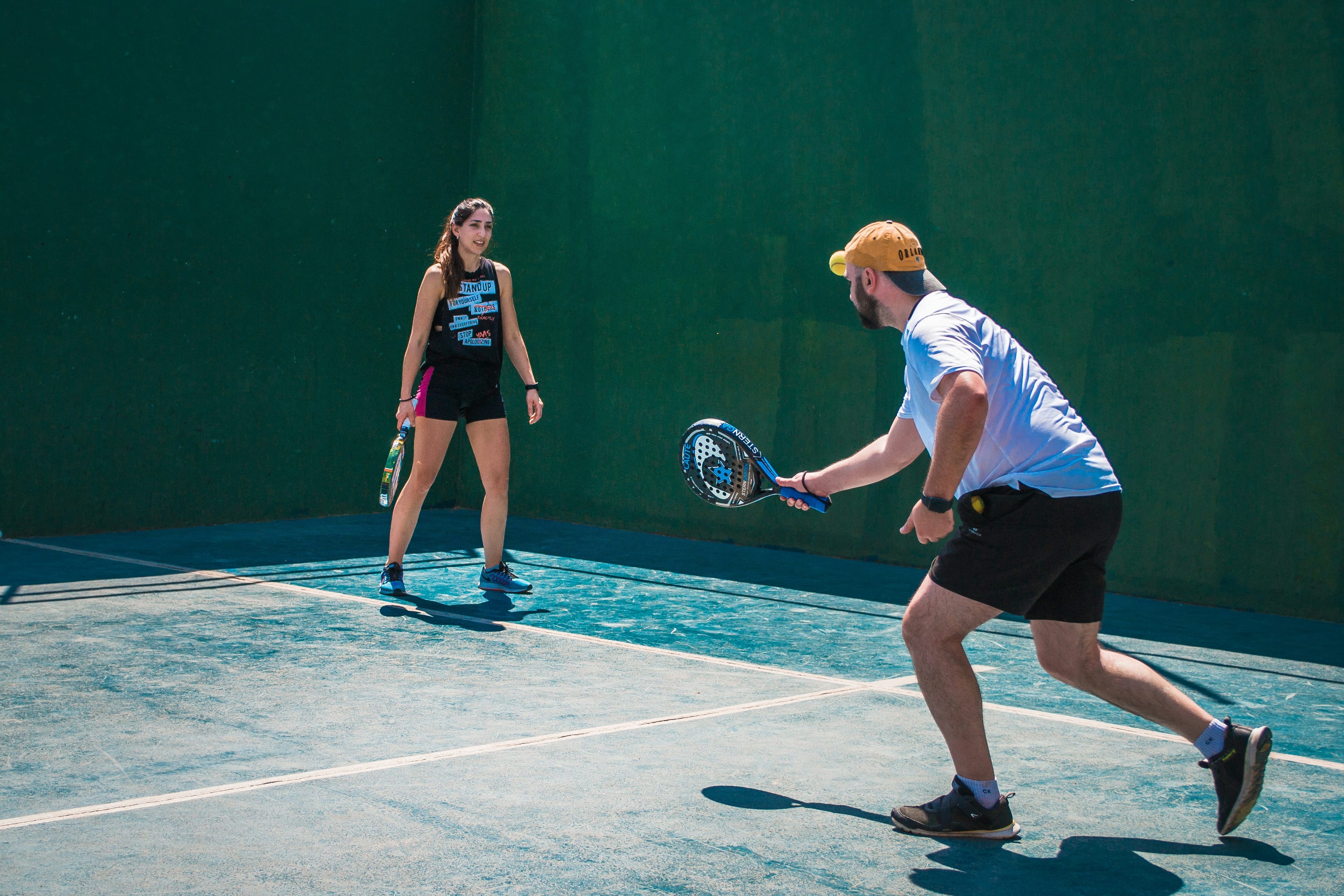
A $150 ceiling buys more padel racket than you would think: the whole entry band plus last season's mid-range on markdown. We swept all four US padel retailers, pulled every frame's own published specs, and picked seven that are in stock today — from a $79.99 entry frame to a 35%-off Bullpadel that normally costs $225.
How to Spot a Fake Padel Racket: A US Buyer's Guide
How to Spot a Fake Padel Racket: A US Buyer's Guide
Counterfeit padel rackets are real, but a low price alone proves nothing — the US also has a large grey-import trade that isn't fake at all. Here are the five checks that actually work, including the weigh-and-measure test no other guide covers, and what to do if you have already bought one.
GLDN PNT: Miami's Padel Apparel Brand, Now with Reebok
GLDN PNT: Miami's Padel Apparel Brand, Now with Reebok
Miami-born GLDN PNT is the first American padel apparel brand to land a major sportswear collaboration. What the Reebok x GLDN PNT collaboration includes, what it costs, and why a padel-native label matters for US players.