


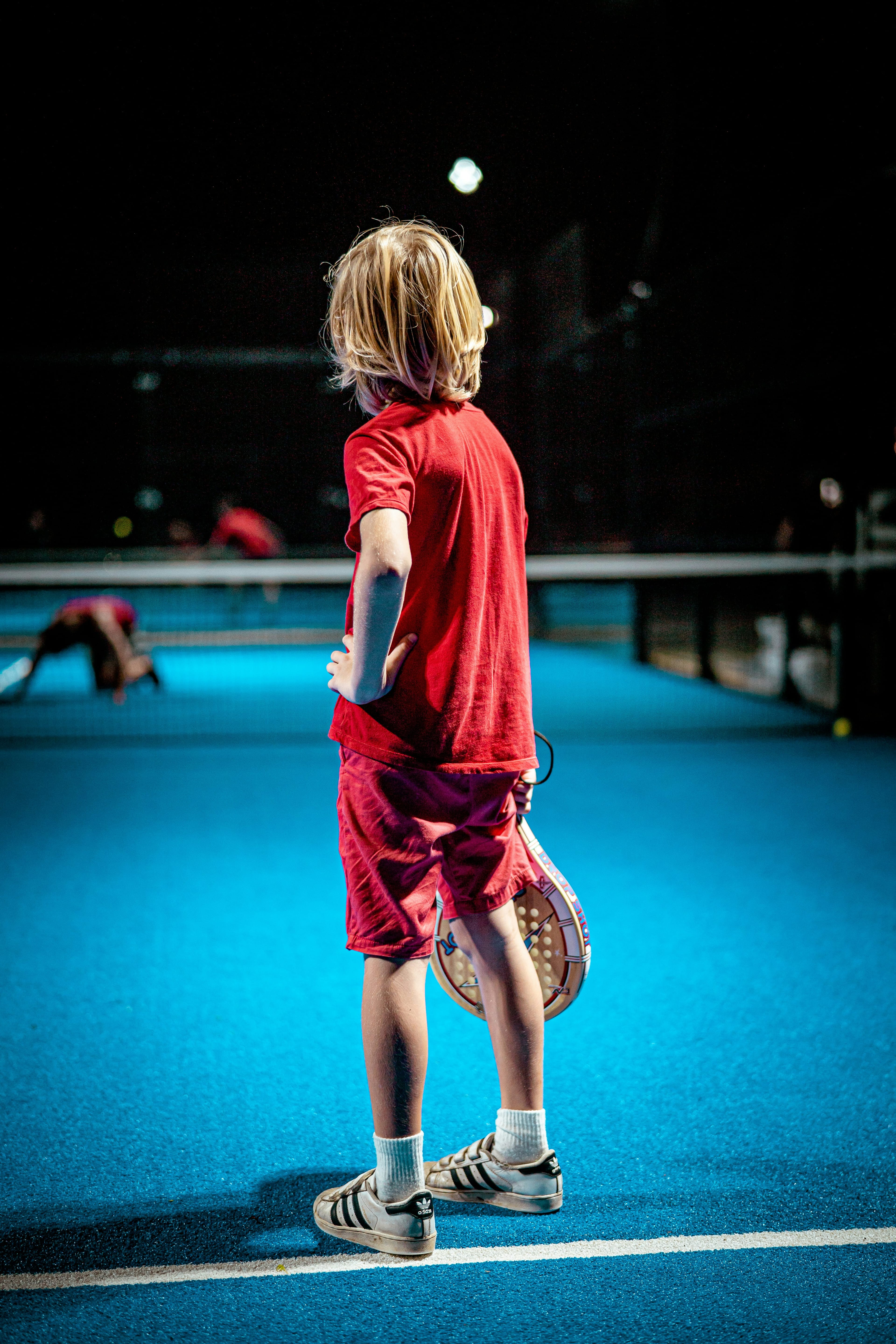
Padel Lessons for Beginners: What a First Clinic Costs

Padel Lessons for Beginners: What a First Clinic Costs
Eight states, eight booking calendars, one hour on court
The hardest part of starting padel isn't the glass walls or the underhand serve. It's working out what to actually book.
Search for a beginner padel lesson in the US and you land on a wall of raw booking-platform pages with names like "Padel 101," "Welcome Class" and "Nico's Padel Foundations" — half of which never mention which city they're in. So we went through the live booking calendars at clubs across eight states and wrote down what a first padel lesson really costs, how long it runs, and what you need to bring.
Short answer: one hour, somewhere between free and $40, and nothing but sneakers.
You don't need gear, a partner or a membership
Three things stop people booking a first session. None of them is an actual requirement.
A racket. Intro clinics lend you one. Union Padel Club in Chicago says it outright — "no experience needed, rackets provided." Kraken Padel Club near Dallas: "No experience or equipment needed — just bring your energy." Viva Padel & Pickleball Club in Philadelphia: "Equipment provided." Balls always come from the club.
A partner. Padel is doubles-only, which leads people to assume they need three friends. The intro clinic is the one format where that's backwards — you sign up alone and the coach makes the groups. Arriving solo is the point: these sessions are where most people meet the players they'll book courts with later.
A membership. Every clinic below takes non-members at a published price. Membership changes what you pay, not whether you can come.
What an intro clinic actually is
A coach, a court, a handful of people who've never played, and an hour. You'll cover scoring, where to stand, and the rule that separates padel from tennis: a ball that bounces and then hits the back glass is still live, and playing it off the rebound is normal rather than desperate. Racket Social Club Denver lists the drills as "serves, volleys, and rebounds" — that third word is most of the sport.
Every description we read promises you'll be playing points by the end, and the clubs mean it: the court is small, the serve is underhand, and the walls keep rallies alive long enough to feel like a game.
"Padel 101" vs beginner clinic vs private lesson
These are three different products, often sold a scroll apart on the same page.
- Intro, 101, or welcome class. One-time, no experience assumed, no rating required. This is your first lesson.
- Beginner clinic. A recurring class for people who have already played a little, and usually rating-gated. Sensa Padel in Nashville sets its Beginner Clinic at NPRP 1.2–2.0 — above absolute zero. Kraken caps its intro at NPRP under 1.4 and moves you to "Clinic Beginners 1.4–2" afterwards.
- Private lesson. One-on-one, priced by the hour. Genuinely useful later; for a true first-timer it mostly costs more to learn the same five things.
Book the first one. The rating floors on the second exist because a class of experienced beginners will leave a complete newcomer watching.
How long a first session runs
Sixty minutes. Not 75, not 90 — every intro clinic we checked, in all eight states, runs exactly one hour. If you've seen "60–90 minutes" quoted elsewhere, that's the length of open play, which is a different thing and comes later.
One quirk worth knowing: at Racket Social Club Denver, a class capped at four becomes a half-length session if you're the only one signed up — effectively a private lesson at group pricing, and a reason to book a weeknight over a busy Saturday.
What it costs
From free to $40, and why members pay less
| Club | City | Clinic name | Non-member | Member |
|---|---|---|---|---|
| Padel N9NE | San Diego, CA | Introduction to Padel | Free | Free |
| Conquer Padel Club | Tempe, AZ | Intro to Padel Clinic | $20 | $15 |
| Sensa Padel | Nashville, TN | Welcome Class – Intro to Padel | $25 | — |
| Kraken Padel Club | Farmers Branch, TX | Intro to Padel | $27.06 for two | — |
| Union Padel Club | Chicago, IL | Padel Intro | $30 | Free |
| Viva Padel & Pickleball Club | Philadelphia, PA | Intro to Padel – Drill and Play | $30 | $25 |
| Racket Social Club Denver | Englewood, CO | Introduction to Padel | $33 | $26 |
| Replay Club | Boynton Beach, FL | Nico's Padel Foundations | $40 | Free–$20 |
Prices as listed on each club's own booking calendar in October 2026.
Two things jump out. The first: the cheapest option in the country is free. Padel N9NE, an eight-court club in California, lists its Introduction to Padel at $0.00 for members and non-members alike — clubs with courts to fill treat the intro hour as marketing, not revenue.
The second is how hard the membership discount bites. At Union Padel Club the intro is $30 at the door and $0 on all three membership tiers. Replay Club in Florida charges non-members $40, Icons members $20, and Legends and Black Card members nothing. If you already pay dues somewhere, check before you pay again.
Kraken's listing is the odd one out and the best value on the table: $27.06 is a two-for-one, so bring someone and you're each in for under $14.
The minimum-signup catch
Group classes need a group. Conquer Padel Club in Tempe states it plainly: the clinic needs at least two players, and "if the minimum is not met, the session may be canceled." Book midweek and you can find yourself rescheduled.
It runs the other way too. Replay Club charges a $15 no-show fee and gives you eight hours to cancel for a refund; Racket Social Club Denver only opens booking three days ahead, at 7:00 AM. None of it is unusual — just worth reading before you treat a clinic slot as a soft plan.
What's included — and what isn't
Loaner rackets and balls
Rackets and balls are covered. Viva, Union and Kraken say so in writing; the rest hand them out without advertising it. An hour on a borrowed racket also tells you more about what to buy than any review will — you'll have an opinion afterwards that you don't have now. Our beginner racket guide and starter kit breakdown cover what's worth buying first, and Racket Central is the most complete US padel catalogue.
What to wear
Running shoes are fine for a first class; dedicated padel shoes matter once you're playing weekly. Anything you'd wear to a gym works on top — our full guide to what to wear goes further, but for one hour nothing on it is urgent. Bring water, and check the age rule if it matters: Sensa's Welcome Class is 18 and over, Kraken's intro welcomes teens.
Intro clinics by region
Coverage tracks the sport's growth. Florida, Texas and California have enough clubs that most metros offer a weekly intro slot; Chicago, Denver, Nashville, Philadelphia and Phoenix each have at least one club running them on a fixed schedule.
Elsewhere the pattern is different: a club runs intros in its opening months, then drops them once its courts fill with league play. Portres Sports Club in Philadelphia is a good example — its padel calendar is now open play, house leagues and NPL team practice, with no beginner clinic on it. That isn't a dead end: its Padel Open Play is $20 a session, free to members, and drop-in open play is how plenty of people learn in cities with no formal intro class.
If your nearest club lists no clinic: find the beginner-rated open play session, email to say it's your first time, and ask whether a coach will be on court.
After the first lesson: where beginners go next
The honest answer is two or three more hours of structured play before you'll enjoy a normal game, and the path is well-worn:
- A second intro, or the beginner clinic. Repeat the intro if it was free; step up if the club has a rating-gated beginner class.
- Beginner open play. Sensa runs Open Play, Mexicano, Americano and Round Robin formats all gated at NPRP 1.2–2.0, so you're matched with people at your level rather than thrown in.
- Your own court booking. This is the point of the whole exercise. By now you'll know three or four other beginners from the clinic — see how to find a padel partner if you don't.
Two bits of reading make the second hour better than the first: the rules explained properly and the mistakes almost every beginner makes. Coming from another racket sport? The tennis and pickleball transition guides are worth ten minutes — the habits that transfer aren't the ones you'd guess. And when you want real coaching, here's how to choose a padel coach.
How to find an intro clinic near you
Clubs file these sessions under at least six different names, which is why they're hard to find. Search any club's booking page for "intro," "101," "welcome," "foundations" or "beginner" and you'll catch nearly all of them.
Faster still: start from the club. Browse the full US club directory, open the one nearest you, and work from its booking link — the clinic list sits alongside the court calendar. If you'd rather not pay for a lesson at all, public courts with no membership requirement and the real cost of playing padel in the US are the two posts to read next.
One hour, usually under $30, racket included. There are worse ways to find out whether you've just found your sport.
Frequently Asked Questions
Continue Reading
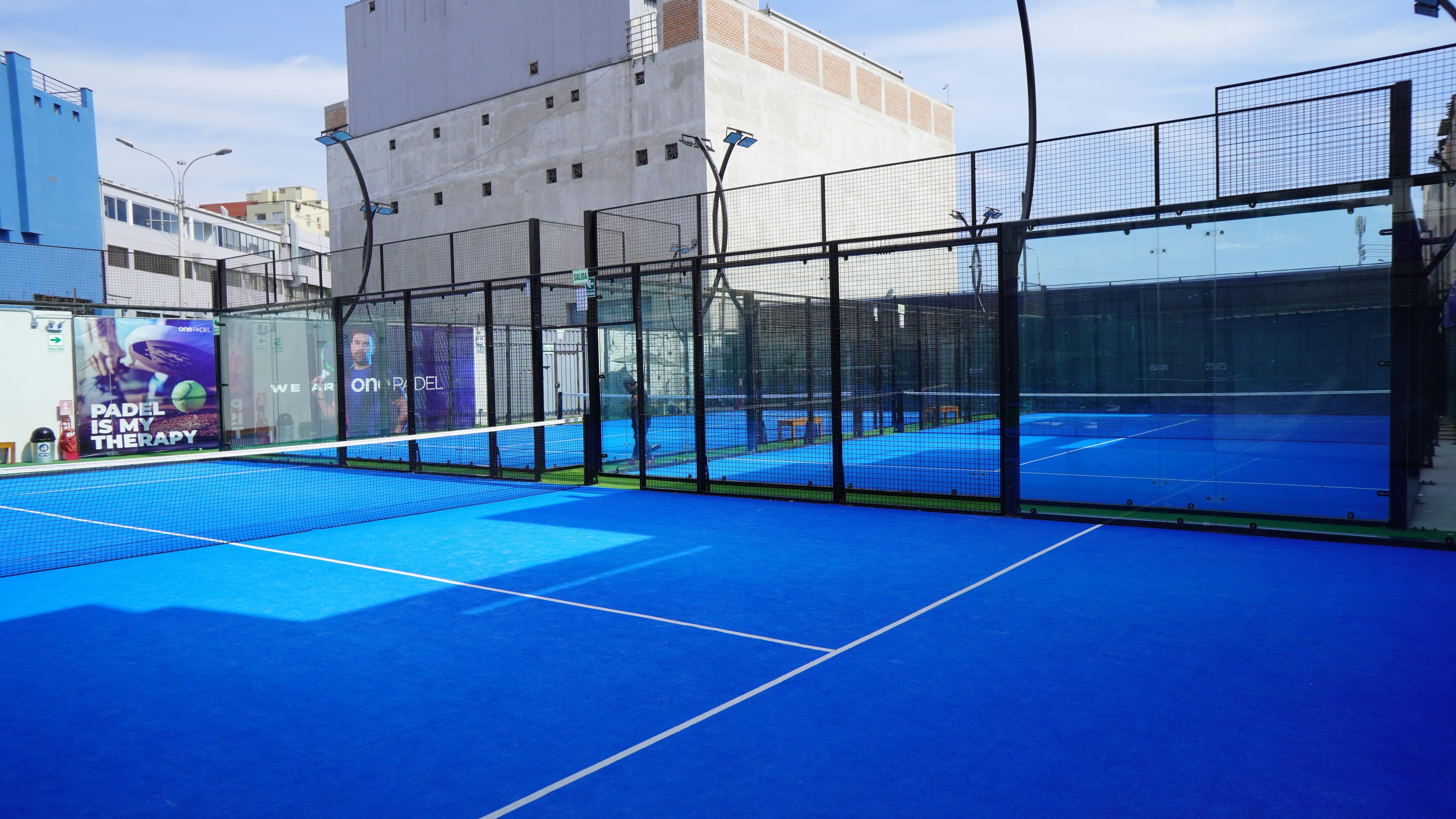
The Biggest Padel Clubs in the US: Every 8+ Court Club
The Biggest Padel Clubs in the US: Every 8+ Court Club
Ultra Padel Club's Magic City flagship in Miami has 29 courts — more than 32 of the 41 states that have any padel at all. Here is every US club we track at eight or more courts, with each number checked against the club's own website.
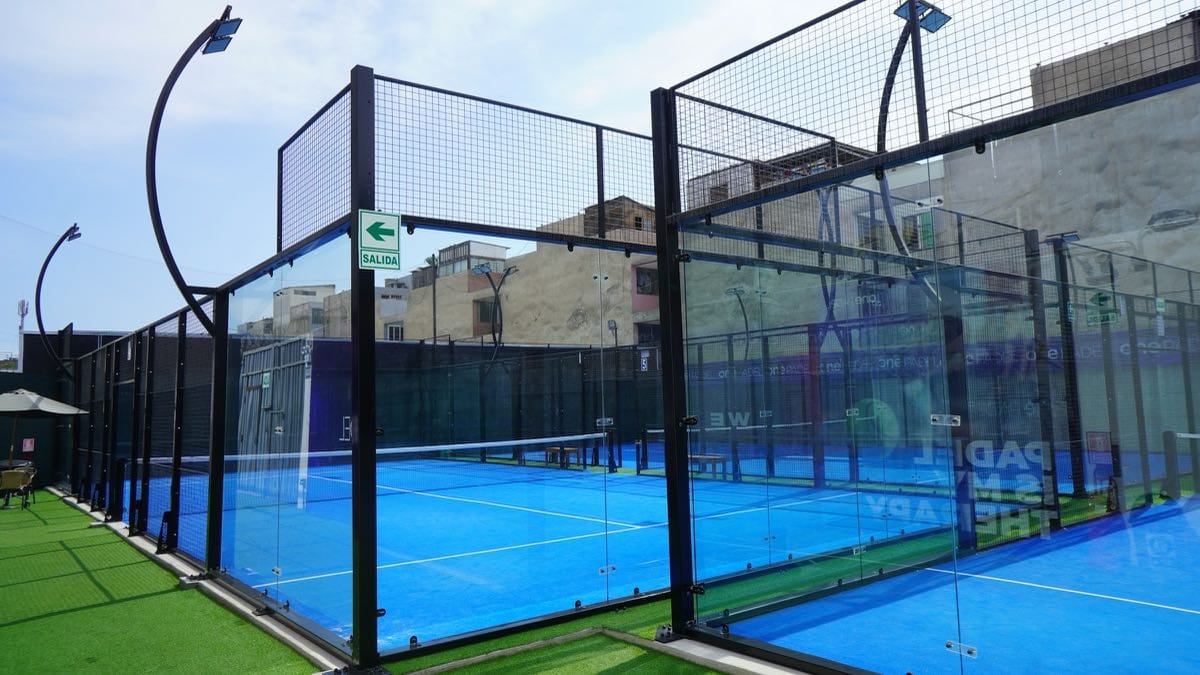
Outdoor Padel Courts in the US: Every State in 2026
Outdoor Padel Courts in the US: Every State in 2026
Outdoor padel narrowly outnumbers indoor padel in the United States, 515 courts to 497. We counted every open club to map where the outdoor courts actually are, which states have none at all, and what changes once there is sky above the glass.
Padel Club Membership Cost in the US: $30–$350 a Month
Padel Club Membership Cost in the US: $30–$350 a Month
US padel clubs sell three structurally different things under the word “membership”: a discount card, a wallet credit, or an all-inclusive pass. We checked published dues at Bay Padel, DUS, Charlotte Padel Club, M Padel and more, and worked out when joining actually pays off.