
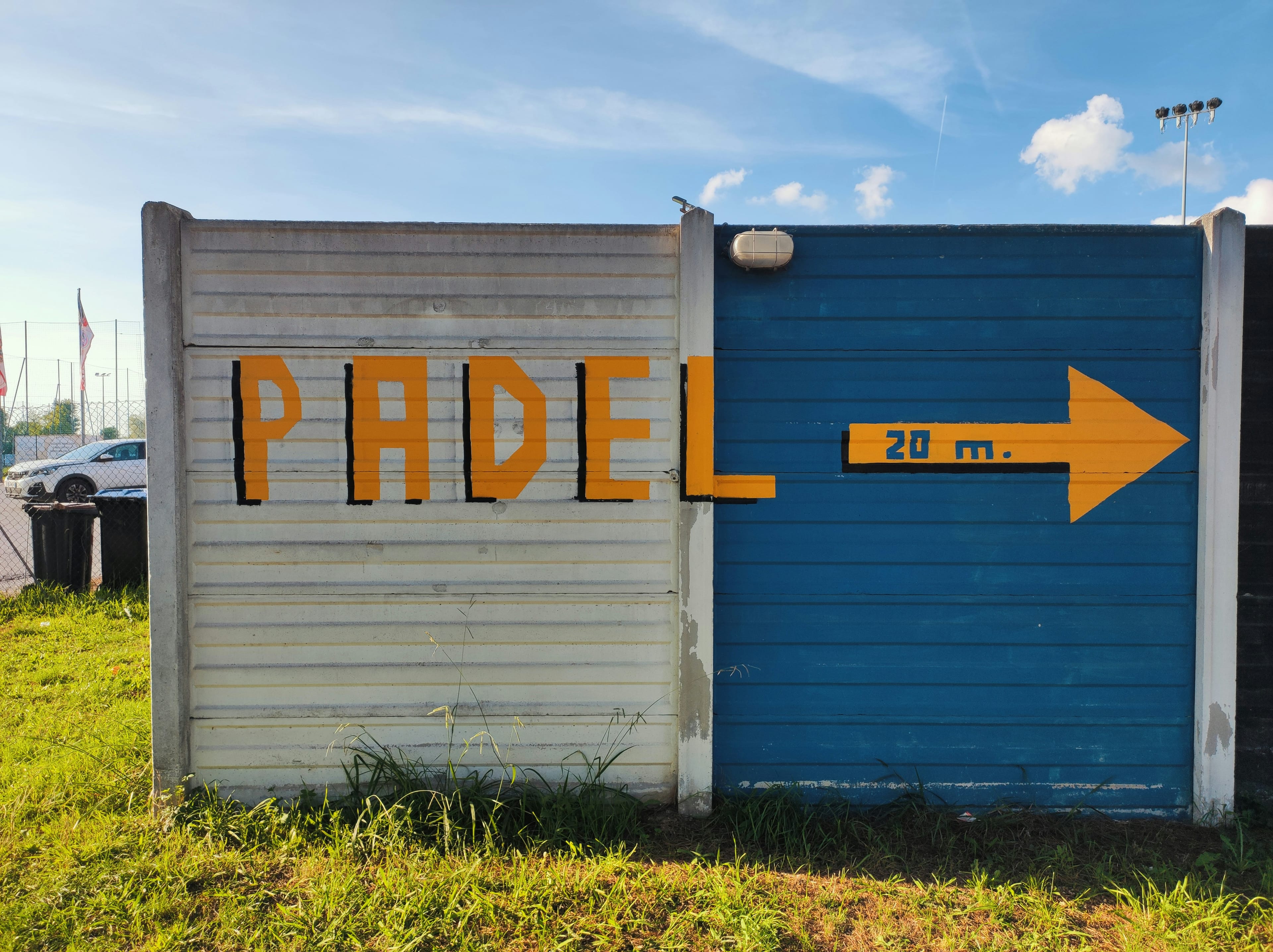
How to Choose a Padel Coach in the US (2026 Guide)

How to Choose a Padel Coach in the US (2026 Guide)
Certifications, lesson costs, and how to spot a great instructor — without wasting money.
The right coach can compress months of trial and error into a handful of focused sessions. The wrong one can do the opposite — burn through a few hundred dollars while you keep hitting the ball the same way you did in tennis. Here is how to pick a padel coach in the US, what to expect to pay, and the green flags that separate a real pro from someone running the clock.
When to Invest in a Coach
If you have played fewer than ten matches, take one lesson before your second or third game. You will lock in the basics — grip, ready position, walls — before bad habits cement. A quick refresher on the padel grip before your first session means you spend the lesson on movement and shot selection, not on how to hold the racket.
Players in the 5–15-match range benefit most from a 5-pack: enough sessions to drill a few specific shots (the bandeja, the defensive lob, the off-the-wall split-step) and see them stick.
Intermediate and advanced players treat coaching differently. They book a "semester" — six to twelve weeks of weekly lessons leading into a tournament or rating bump. The goal is not fixing fundamentals; it is adding a specific weapon (the víbora, the chiquita) or breaking a tactical pattern.
Certifications That Actually Mean Something
Certification does not guarantee a great teacher, but the absence of one is a flag. Three bodies matter in the US right now:
- FIP (International Padel Federation) — the gold-standard international certification. FIP-certified coaches study the same curriculum used at Premier Padel events.
- EPA (European Padel Association) — European-trained coaches working in the US frequently hold EPA credentials. Strong on biomechanics and methodology, recognized at clubs in Florida, Texas, and Los Angeles.
- USPA (United States Padel Association) — the newest, US-specific certification. Good for finding domestic pros who understand the US club model.
You will also see tennis pros (USPTA-certified) who have added padel to their teaching. That is fine for fundamentals, but ask whether they have actually competed in padel — the sport's tactical layer is different enough that "I played tennis at D1" does not translate.
Group vs Private — Which Is Right for You?
Private lessons are best when you have a specific problem to fix: a shot that breaks down under pressure, footwork around the back glass, decision-making at the net. One-on-one attention compresses learning fast.
Group lessons (typically 3–4 players) are better for two situations: drilling repetition-heavy shots like the bandeja and serve, and learning doubles patterns with live opponents. They are also half the cost. Pair group clinics with our doubles strategy guide for beginners and you will get more out of every session.
Most players we talk to do best with a hybrid: one private session a month for diagnostics, plus a weekly group clinic for reps.
Red Flags & Green Flags
Green flags: the coach asks about your level and goals before booking. The session has a structure — warmup, drill, situational play, cooldown. They film a point or two and review it with you. They have a written program (beginner pathway, women's clinics, junior development).
Red flags: the "lesson" is just open play with the coach feeding balls. No diagnostics, no progression, no take-home. Watch out for pros who only correct what you do wrong — good coaches give you something specific to try the next time you play.
How Much Should You Expect to Pay?
US pricing in 2026, based on what clubs and platforms are listing:
- Private lessons: $50–$120 per hour. Higher in NYC, Miami, and LA; lower in Texas, Atlanta, and the Carolinas.
- Group lessons (3–4 players): $20–$45 per person per hour.
- Intro packages: $100–$200 for a 4–6 lesson starter bundle. Most premium clubs run these on Saturdays.
- Junior programs: $200–$400 per month for weekly group training.
Premium destination academies — the Juan Martín Díaz Academy at Reserve Padel Sole Mia, or the M3 Padel Academy at U-Padel Woodlands — sit at the top of those ranges, often with multi-day clinic formats.
How to Find a Coach Near You
Three channels work, in order:
- Club pro shops. Walk in, ask the front desk who their head pro is, and ask about a beginner clinic. The clubs with real coaching programs — Padel Haus Williamsburg, Reserve Padel in Miami, USTA National Campus in Orlando — have structured pathways and will route you to the right pro.
- Booking platforms. Playtomic lists lessons alongside court bookings at many partner clubs. Filter by lesson type and read coach bios. See our best padel apps roundup for the full landscape.
- Club websites and Instagram. Most clubs publish their coaching roster with credentials and rates. If a club does not list its pros, that is usually a sign coaching is not a priority there.
Junior, Adult & Senior Pathways
Kids (ages 7–14) thrive on weekly group clinics; the smaller court and quick wins keep them engaged. Look for programs with foam balls and modified scoring at the youngest ages.
Adult learners — especially tennis converts — benefit from a fast-track intensive: three to five sessions in two weeks that re-wire the swing path. If you are coming from tennis, read our tennis-to-padel guide before your first lesson so you can describe your background to the coach.
Seniors and players returning from injury should ask specifically about footwork drills and joint-friendly progression. Padel's smaller court is gentler than tennis, but the lateral movement still matters.
What to Ask Before You Book
Three questions, every time:
- What is your coaching philosophy? (Drills vs. game-based — both work; you want a coach who can articulate it.)
- Do you film? (Modern coaches use video; phone-and-tripod is fine.)
- What is the path from here? (One lesson should set up the next.)
A good coach will answer all three without hesitation. A great one will already have asked you about your goals before you finished the call.
Frequently Asked Questions
Continue Reading
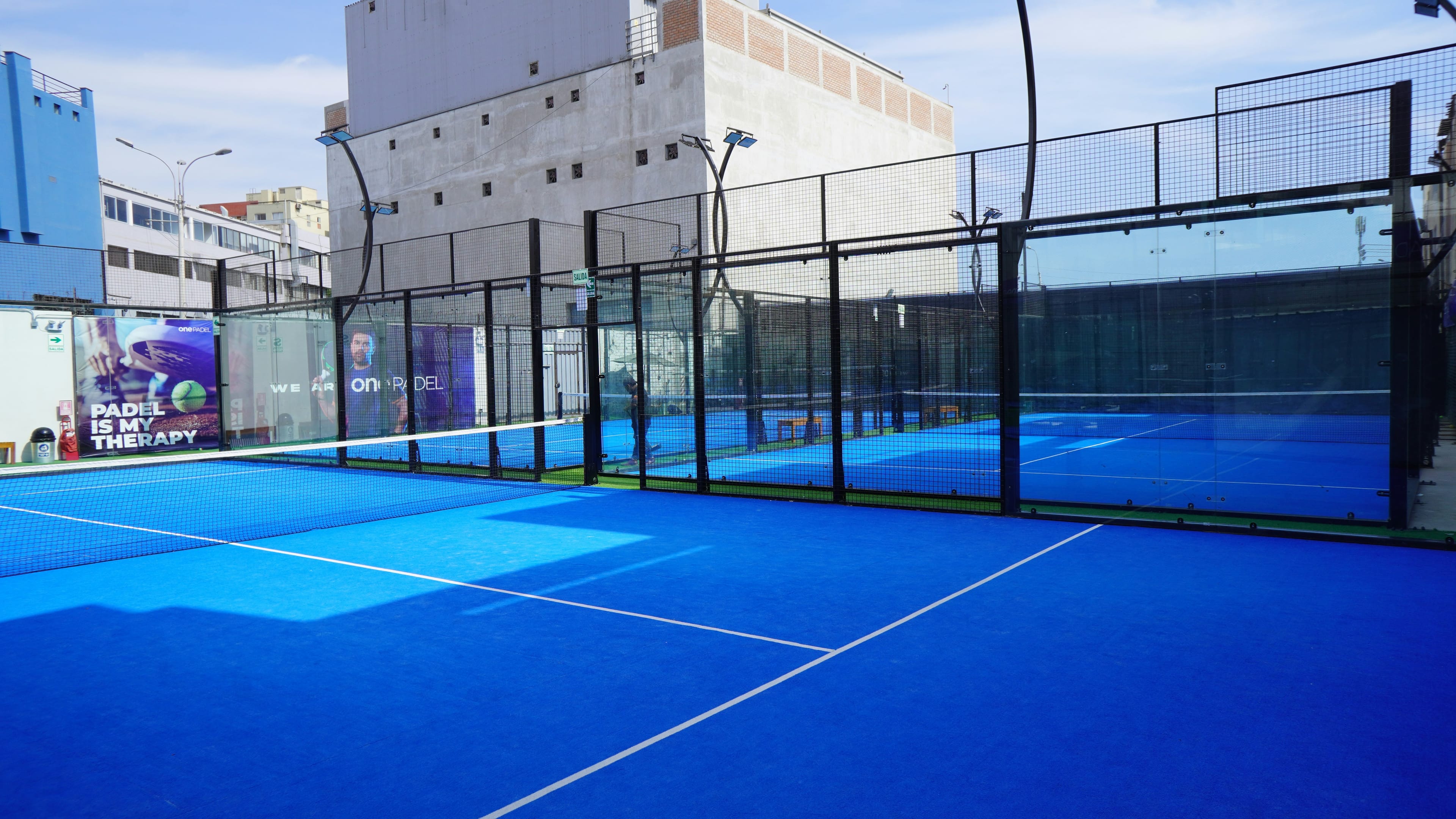
Padel Line Calls: How to Settle Disputes Without a Ref
Padel Line Calls: How to Settle Disputes Without a Ref
Club padel has no umpire — and the FIP rulebook never explains what to do without one. Here is the actual decision procedure: who makes each call, why every genuine line call in padel is a serve call, and what to do about the point nobody agrees on.
How to Defend the Smash in Padel: Surviving the Por Tres
How to Defend the Smash in Padel: Surviving the Por Tres
Smash defense in padel is a reading problem, not a power problem. Here is how to tell which overhead is coming, where to stand, and which of four responses to pick — plus what the FIP rulebook actually says about chasing a por tres out the side door.
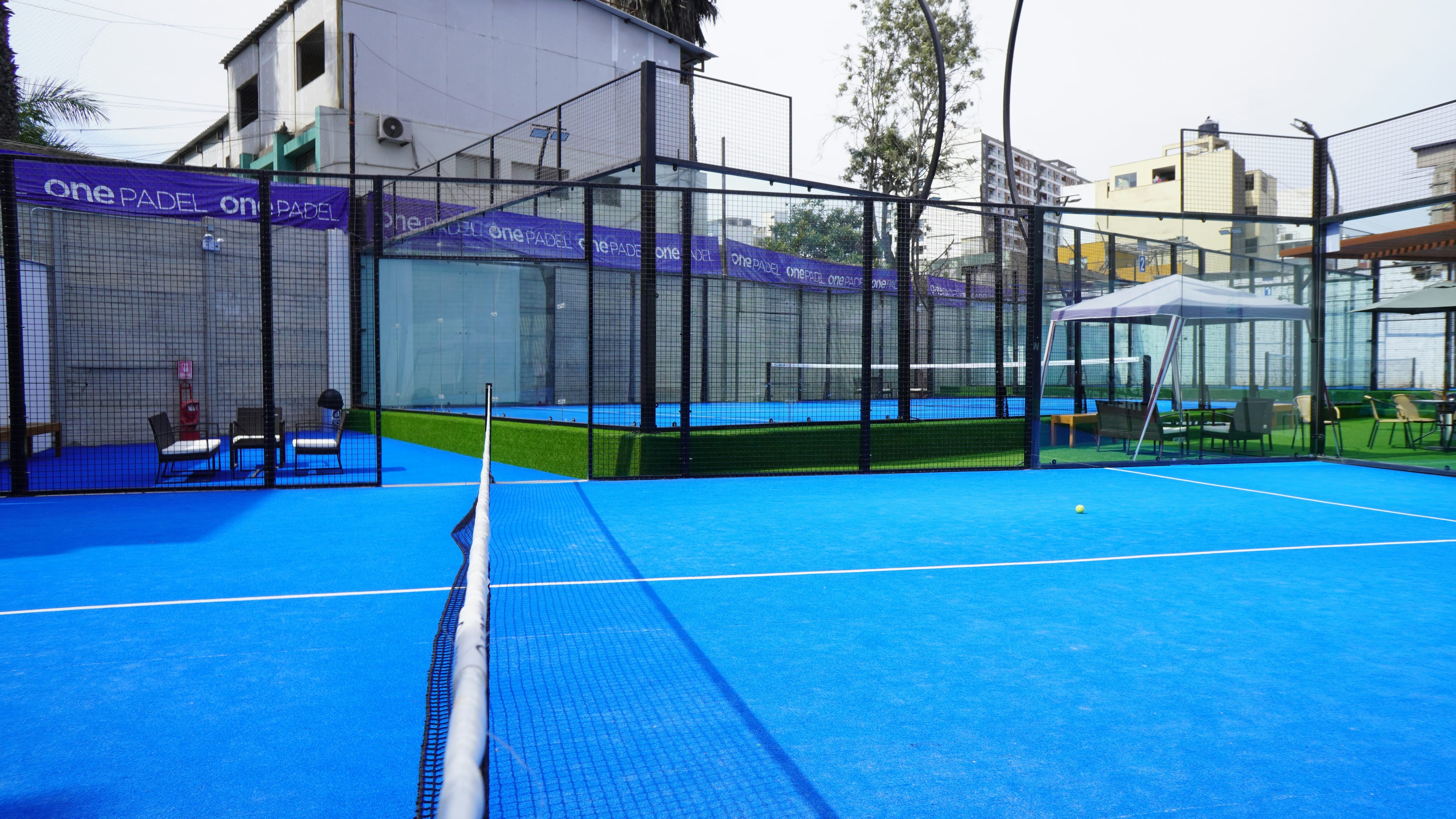
Golden Point vs Advantage: Padel's 40-40 Rule Explained
Golden Point vs Advantage: Padel's 40-40 Rule Explained
Padel has three ways to settle a game at 40-40, not two: advantage, golden point, and the Star Point that the FIP made the professional standard for 2026. Here is how each one works, who uses it, and how the deciding point changes the way you should play it.