

Best Padel Apps in 2026: Book, Match, and Track Your Game

Best Padel Apps in 2026: Book, Match, and Track Your Game
Your complete app stack for finding courts, players, and progress in American padel.
Padel is the rare sport where the technology shows up before the courts do. In most American cities you'll download an app to find a court, another to find a fourth player, and — if you're at a nicer club — a third one emails you video of your best point. It adds up fast.
This is the 2026 guide to the padel apps that actually earn a spot on your phone. The short version: almost every US player needs Playtomic, and then one or two specialty apps depending on whether you care more about matchmaking, skill tracking, AI video, or tournaments. We'll go category by category, then hand you four ready-made "stacks" at the end.
The Padel App Stack: What You Actually Need
Padel apps solve five distinct problems, and no single app does all five well:
- Booking — reserving a court at a specific club and time
- Matchmaking — finding players at your level when you don't have a foursome
- Ratings — a number that tells clubs and opponents how good you are
- Statistics — match history, win rate, and trends over time
- Video — AI cameras that record and clip your games
In practice, most players land on what we'd call the "two-app reality": Playtomic for booking and ratings, plus one app that fixes the thing Playtomic does worst for you. If you're brand new to the sport, read What is Padel? first and come back here once you've played a few times — you'll know which problem you actually have.
Best for Booking Courts: Playtomic
If you download one padel app, make it Playtomic. The overwhelming majority of US padel clubs run their court reservations through it, which means the app doubles as the de facto map of where padel exists in your city. Open it, set your location, and you'll see bookable courts, prices, and open time slots.
Three features make it more than a booking tool:
- Skill ratings (0.0–7.0). Playtomic assigns every player an ELO-style level that moves up or down after competitive matches. It also tracks a "reliability" percentage that climbs as you log more results — once you're validated, your level is considered stable. It's the closest thing padel has to a universal currency.
- Open matches. Instead of booking a whole court, you can join a public match that needs a player, or post your own and let the app fill the empty spots. This is the single best feature for newcomers without a regular group.
- Leagues and tournaments. Many clubs run their internal competitions through Playtomic, so league standings live in the same place as your bookings.
A free account covers booking, open matches, and your basic stats. There's a paid tier with deeper analytics, but most players never need it.
Best for Player Matchmaking: Padel Mates
Playtomic's open matches work, but in some metros the community lives elsewhere. Padel Mates leans harder into the social side — smart match suggestions based on your level and home club, group games, cost-splitting with friends, and in-app chat with people you've played. If your problem is "I have time to play but no one to play with," it's worth running alongside Playtomic.
Two honest caveats. First, coverage is uneven — Padel Mates is strong in some cities and thin in others, so check whether anyone near you is actually using it. Second, in the biggest US padel markets a surprising amount of pickup play still happens in WhatsApp groups, not apps at all. More on that below.
Best for Skill Tracking: Match Trackers and NPRP
Playtomic's level is great for matchmaking but it's a black box — you see the number, not the story behind it. A wave of dedicated match-tracking apps (Padel Stats, Padel Score Live, MyPadelApp and similar) exists to fill that gap: you log each game point by point and get win-rate trends, partner and opponent breakdowns, and progress charts over time. If you're the kind of player who keeps a spreadsheet, one of these will scratch the itch.
On PadelBrowser, we use a US-specific rating called NPRP to rank players on our player hub. It's built around how American players actually progress, and it sits alongside Playtomic level rather than replacing it — think of it as a second opinion on where you stand. If you want to understand the on-court decisions that move any of these numbers, our padel doubles strategy guide is the place to start.
Best for AI Cameras and Highlights: Clutch and PlaySight
The most futuristic padel "apps" aren't downloads at all — they're cameras bolted to the court. Clutch and PlaySight both install AI-powered camera systems at clubs that record your match, automatically clip the best points, and push the footage to a companion app afterward. Clutch in particular has built its model around club engagement — players come back partly to collect their highlight reel.
The catch: you only get this if your club has installed the hardware. So treat it as a reason to seek out tech-forward clubs rather than something you can set up yourself. When a club advertises "AI cameras" or "video courts," this is what it means.
Best for Tournament Discovery: The USPA Padel App
If you want to play sanctioned, ranked tournaments, the United States Padel Association launched its official USPA Padel app, built on the Tournated platform and integrated with World Padel Rating. It lists USPA-sanctioned events from local USPA 100 tournaments up to the US Open Padel Championships, handles registration, shows live draws and scores, and tracks your tournament results and ranking evolution in a "My Career" section.
For the casual player this is overkill. For anyone chasing a ranking — or just curious whether there's a real bracket near them — it's the cleanest source of truth, and it's free.
Honorable Mentions
- Pro-tour score apps. If you follow Premier Padel and the APT, dedicated news and live-score apps keep you current on the pro circuit. Nice to have, not essential.
- WhatsApp groups. Unglamorous but true: in New York, Miami, and plenty of other markets, the fastest way into pickup games is still a club's WhatsApp group. Ask at the front desk for the link.
- Reddit's r/padel. Not an app, but the community there is genuinely useful for gear questions, technique debates, and figuring out which local clubs are worth your time.
How to Pick Your Stack
You don't need all of these. Pick the bundle that matches how you play:
- Casual player — Playtomic, and nothing else. Book courts, join open matches, ignore the rest.
- Improver — Playtomic plus a match-tracking app. The stats will tell you whether those drills are working.
- Competitor — Playtomic plus the USPA Padel app. One runs your weekly games, the other runs your tournament life and ranking.
- Tech enthusiast — Playtomic plus Clutch (at clubs that support it). Book, play, watch yourself back, repeat.
Whichever stack you land on, the app is just the on-ramp — the game is still four people, two walls, and a glass box. Before your next session it's worth a two-minute read of padel court etiquette, so the only thing the cameras catch is your good side.
Frequently Asked Questions
Continue Reading
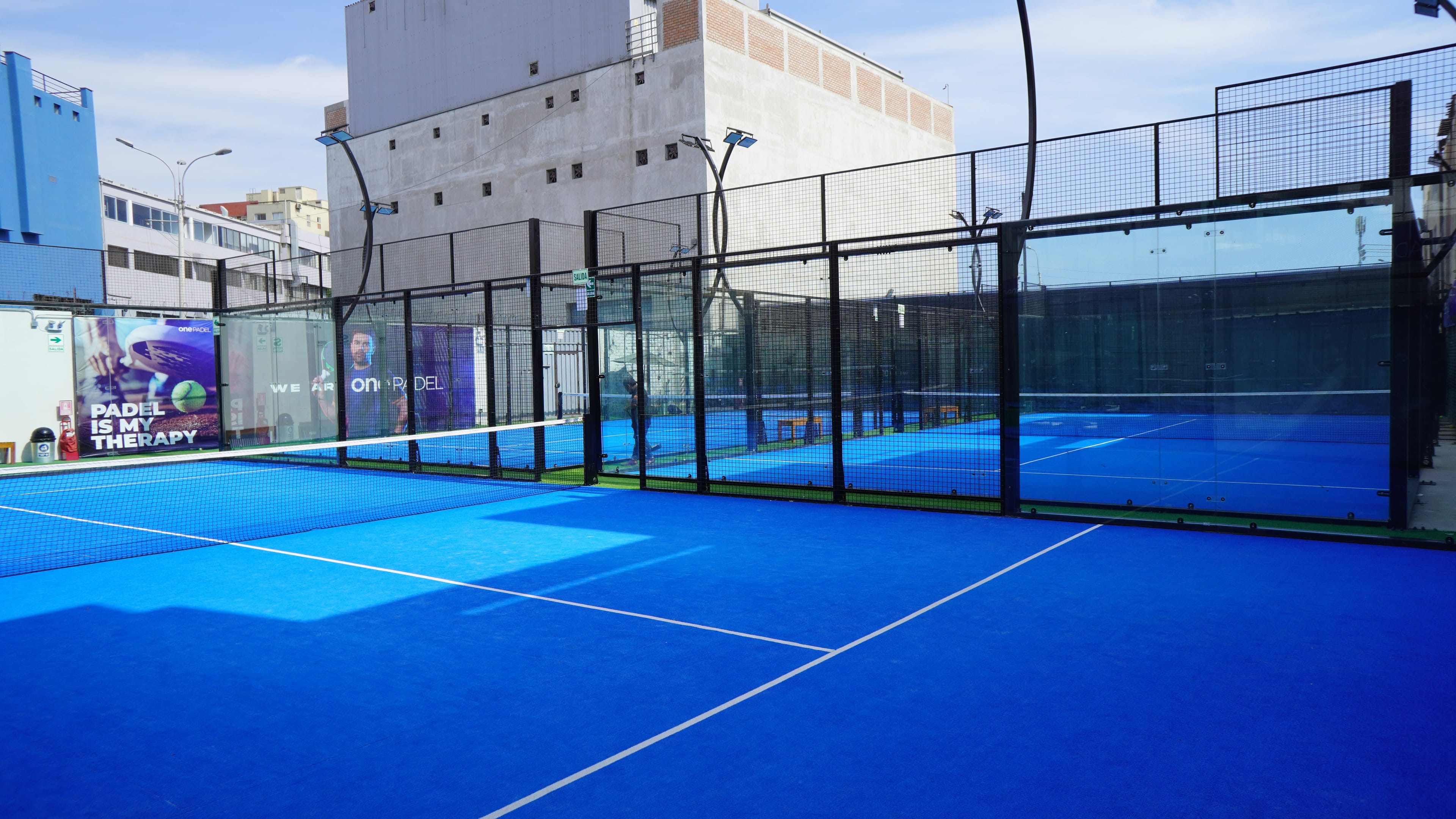
Padel Line Calls: How to Settle Disputes Without a Ref
Padel Line Calls: How to Settle Disputes Without a Ref
Club padel has no umpire — and the FIP rulebook never explains what to do without one. Here is the actual decision procedure: who makes each call, why every genuine line call in padel is a serve call, and what to do about the point nobody agrees on.
How to Defend the Smash in Padel: Surviving the Por Tres
How to Defend the Smash in Padel: Surviving the Por Tres
Smash defense in padel is a reading problem, not a power problem. Here is how to tell which overhead is coming, where to stand, and which of four responses to pick — plus what the FIP rulebook actually says about chasing a por tres out the side door.
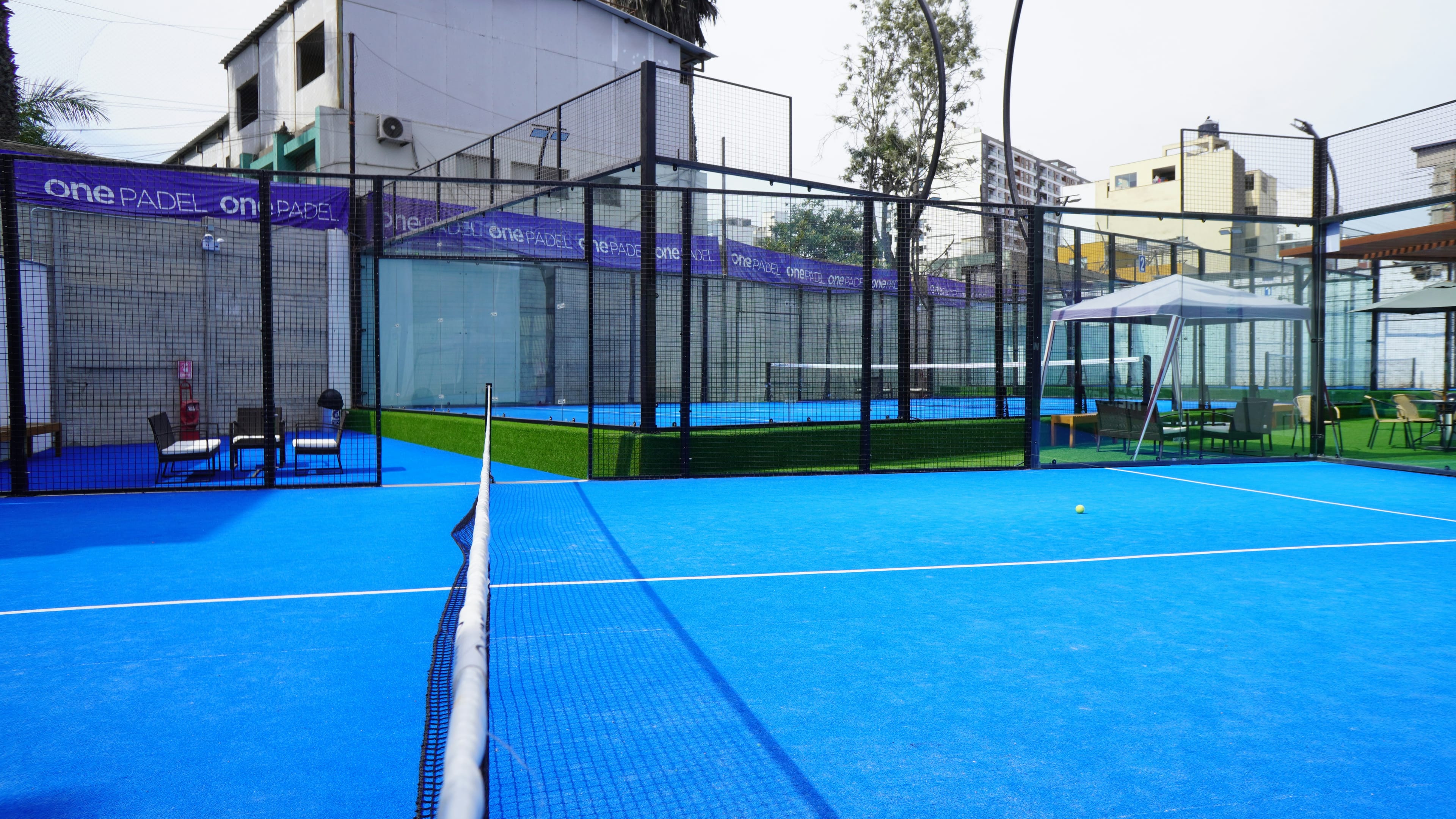
Golden Point vs Advantage: Padel's 40-40 Rule Explained
Golden Point vs Advantage: Padel's 40-40 Rule Explained
Padel has three ways to settle a game at 40-40, not two: advantage, golden point, and the Star Point that the FIP made the professional standard for 2026. Here is how each one works, who uses it, and how the deciding point changes the way you should play it.