

Padel Court Dimensions Explained: 20m × 10m Standard (2026)

Padel Court Dimensions Explained: 20m × 10m Standard (2026)
Every measurement that matters, from the 88cm net to the 12m ceilings new US clubs are setting as the standard.
The Standard Padel Court Is Always 20m × 10m
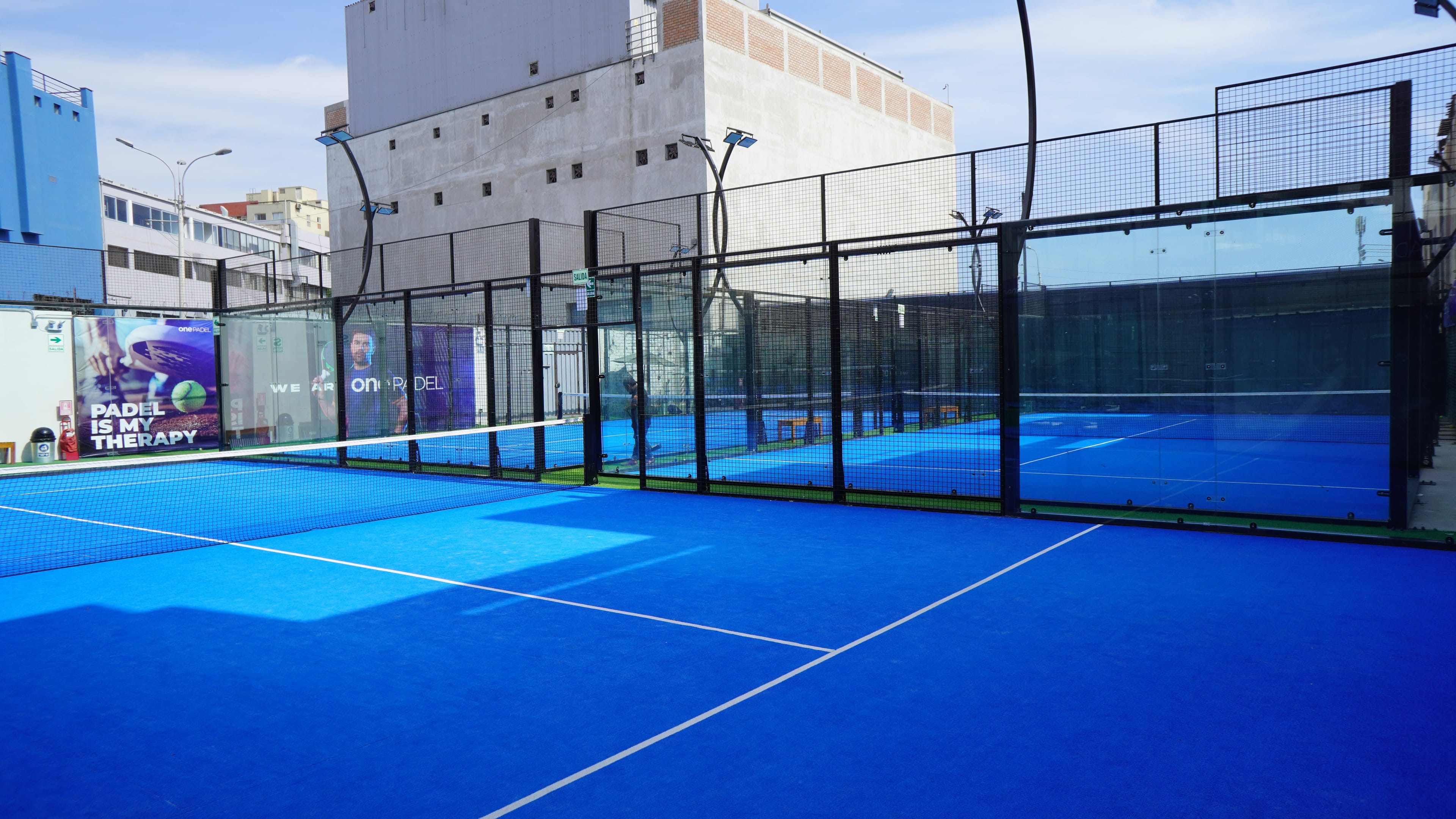
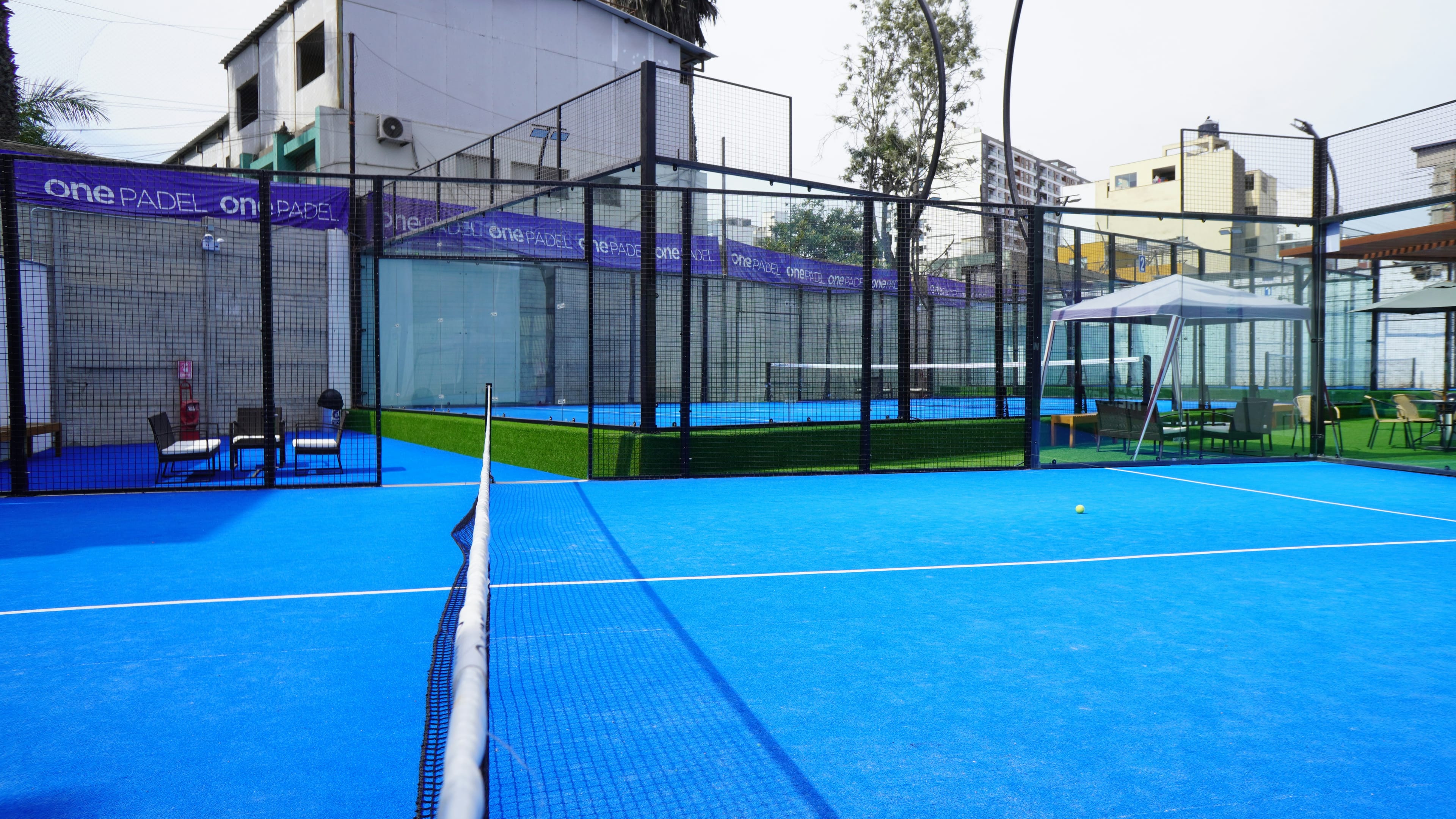
Walk into any regulation padel facility — Madrid, Mexico City, or Miami — and the floor under your feet is the same: a 20-meter by 10-meter rectangle, half the size of a tennis court, completely enclosed by glass and mesh. That uniformity is the whole point. The professional tour, your local league, and the casual doubles game your friend invited you to all play on identical dimensions, which is why a player can fly across the world and pick up a match within minutes of landing.
Padel''s court geometry is also the reason the sport plays the way it does. The walls aren''t decoration — they''re in play. The compact footprint forces you and your partner into doubles formations from the first ball. Once you understand the dimensions, the strategy starts to make sense.
The Full Court Diagram
Every measurement that matters, set by the International Padel Federation and used by Premier Padel:
- Court size: 20m long × 10m wide
- Net height: 88cm at the center, 92cm at the posts (slightly lower than a tennis net)
- Back walls: 4m total — typically 3m of vertical glass topped with a 1m mesh section
- Side walls: 3m of glass plus 1m of mesh above, stepping down to 2m near the net
- Service line: 6.95m from the net on each side
- Center service line: runs from the service line to the back wall, splitting each service box in half
The net divides the court into two equal halves of 10m × 10m. Everything else — service boxes, glass, ceiling clearance — is measured off that net.
The Service Boxes
Each side of the court has two service boxes, each 5m wide × 3.475m deep. The serve has to land in the diagonally opposite box, exactly like tennis. But here''s where padel diverges: after the bounce, the returner can let the ball ricochet off the glass before hitting it. That single rule transforms the serve from a weapon into the opening move of a chess game.
The service line being only 6.95m from the net is why padel serves don''t reward raw power. A flat, fast first serve will rocket off the back wall and come right back to the returner at a comfortable height. Experienced servers slice low and angle wide instead — the bounce off the side glass is what generates the awkward return.
The Glass Walls
The walls are what make padel feel like nothing else.
- Back walls: tempered glass, usually 10–12mm thick. Rated to absorb the energy of professional-speed shots without shattering.
- Side walls: glass for the first 2m off the back wall (3m tall), then mesh for the rest of the side, with the top stepping down to 3m mid-court.
- The corner joint: the V-shaped seam where back glass meets side glass produces some of padel''s most unpredictable bounces and its wildest rallies.
After the first bounce on the floor, you can play the ball off any wall — your own or your opponent''s. The walls are how you reset under pressure (let a fast ball pass you, take it off the glass) and how you finish points (a well-struck vibora can ricochet off the side wall and out of the court).
Indoor vs Outdoor Court Standards
The 20m × 10m footprint is identical indoors and outdoors. What changes is everything above and around it.
- Ceiling height: the FIP regulation minimum for indoor courts is 6m, and 7m is the recommended height. Premium US clubs are pushing well past that — Foundry Padel in Portland, And Padel in Oakland, NJ, and Padel Haus Atlanta all run 40-foot (≈12m) ceilings, which is becoming the de facto standard for new American builds.
- Lighting: indoor courts use overhead LED panels positioned to eliminate shadows on the glass. Outdoor courts rely on stadium-style pole lighting.
- Surface: both use synthetic turf with silica sand infill. Outdoor courts use UV- and weather-resistant turf and tempered glass rated for thermal cycling.
Ceiling height matters more than most beginners realize. A bandeja or lob played at full power needs at least 8m of vertical clearance, and the best defensive lobs go higher than that. Anything under 7m starts to feel like a different sport.
Why the Dimensions Matter for Your Game
Knowing the geometry isn''t trivia — it''s the foundation for positioning.
- The 6.95m service line is your reference point for where your partner stands on the return. Anything inside the line is no-man''s-land.
- The 3.475m service box depth means a return that lands in the back third of the box is much harder to attack than one short.
- The 3m of vertical glass is your safe rebound zone. Anything that hits above it — into the mesh — dies and falls flat instead of bouncing.
Once you internalize where the lines and walls are, shots like the vibora and bandeja stop being mysteries and start being geometry.
How to Find a Regulation Court Near You
Every active club listed on PadelBrowser plays on regulation 20m × 10m courts unless we''ve flagged otherwise. If you''re shopping for a new club, the spec that varies most is ceiling height — the club directory shows that on each detail page, along with court count, indoor/outdoor status, and current availability.
For the cleanest possible bounce — full glass, regulation height, regulation lighting — filter for indoor clubs in your city and check the ceiling height before booking. The court itself is always the same. Everything else is up to the operator.
Frequently Asked Questions
Continue Reading
Padel Line Calls: How to Settle Disputes Without a Ref
Padel Line Calls: How to Settle Disputes Without a Ref
Club padel has no umpire — and the FIP rulebook never explains what to do without one. Here is the actual decision procedure: who makes each call, why every genuine line call in padel is a serve call, and what to do about the point nobody agrees on.
How to Defend the Smash in Padel: Surviving the Por Tres
How to Defend the Smash in Padel: Surviving the Por Tres
Smash defense in padel is a reading problem, not a power problem. Here is how to tell which overhead is coming, where to stand, and which of four responses to pick — plus what the FIP rulebook actually says about chasing a por tres out the side door.
Golden Point vs Advantage: Padel's 40-40 Rule Explained
Golden Point vs Advantage: Padel's 40-40 Rule Explained
Padel has three ways to settle a game at 40-40, not two: advantage, golden point, and the Star Point that the FIP made the professional standard for 2026. Here is how each one works, who uses it, and how the deciding point changes the way you should play it.