


Best Padel Racket Protectors 2026: Are They Worth It?
Best Padel Racket Protectors 2026: Are They Worth It?
What $9 of polyurethane can and cannot save — and which protectors US shops actually stock
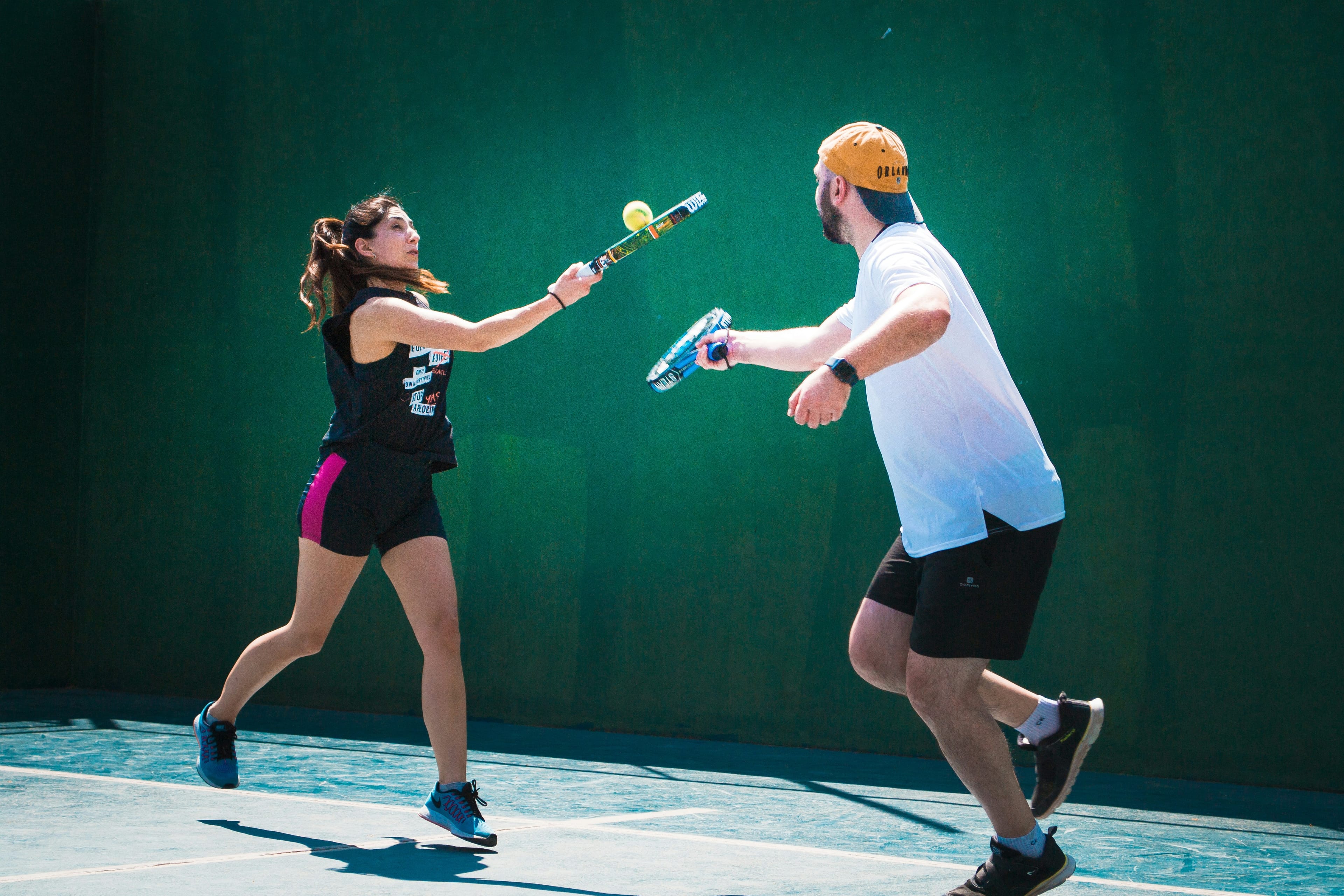
A padel racket meeting a wall is not a mistake. It is Tuesday. You reach for a ball dying off the back glass, the top of the frame kisses the pane on the way through, and a piece of paint is gone forever. Six months of that and a $300 racket looks like it lost a fight with a curb.
A frame protector is the $9 answer. What it actually buys you is a more interesting question than the product pages admit.
What a Padel Racket Protector Actually Does
A protector is a strip of polyurethane, film or molded plastic with an adhesive backing that wraps the outer edge of the racket head. It sits proud of the frame by roughly half a millimetre and takes the abrasion that would otherwise land on the carbon or fiberglass underneath.
In tennis, frame-to-anything contact is a mishit. In padel it is structural: you scrape the glass retrieving a rebound, clip the mesh fence on a wide volley, drag the top of the head across turf digging out a low ball. Using the walls properly reduces how often it happens. It does not get you to zero.
Are They Worth It? The Honest Answer
Yes, if you paid for the racket yourself — it belongs with a fresh overgrip and a thermal bag, cheap habits that add up over a racket's life. But most guides oversell it, so be precise about what you are buying.
What a protector prevents
Chips and paint loss at the top of the head, plus scuffing along the outer edge from court drags. More usefully, it slows the abrasion that opens a path into the frame: once the outer layer wears through, moisture and repeated impact have somewhere to work, and a cosmetic problem turns into separation between the face and the core.
What it will not prevent
A protector is a surface layer, not armour. It will not stop:
- A cracked frame. A full-speed smash into the glass is a compressive load through the whole structure. Half a millimetre of tape contributes nothing.
- Core fatigue. EVA and FOAM cores soften with use, and no external strip slows that down. It is the failure mode that quietly ends most rackets — see how long a padel racket actually lasts.
- A hard drop onto an edge. The protector covers the outer rim, not the corner where a fall usually lands.
The resale argument
This is the strongest case, and nobody makes it clearly. Padel rackets hold value reasonably well in the US because supply is still thin, and the first thing a buyer studies in a listing photo is the top of the head. Clean paint sells fast; a chewed frame sits. If you rotate rackets while you work out what shape and balance suit you, a $9 strip is the highest-return accessory you can buy.
The weight and balance trade-off
Here is the part existing guides skip. A protector adds mass at the top of the head — the most leveraged place on a racket to add anything.
Tape-style protectors are light; HEAD lists its Antishock Skin at 6 grams. Run the numbers anyway: add 6 g about 40 cm up from the butt cap on a 365 g racket balanced at 265 mm and the balance point shifts roughly 2 mm toward the head. Real, but small — balance categories are separated by closer to a centimetre.
The scaling is linear, though. If you play a head-heavy diamond and you are managing an elbow, take the lightest tape rather than the thickest bumper.
Materials: What the Labels Actually Mean
- Polyurethane tape — the default and the safest choice. Thin, flexible enough to follow the curve without stretching, and it deforms on impact instead of transmitting the hit. The good ones use 3M adhesive, which is the single spec most worth checking; cheap adhesive is why protectors peel at the corners after three weeks.
- Molded and die-cut bumpers — thicker, notched along one edge so the strip closes around a tight radius without wrinkling. More abuse tolerance, better for turf-heavy play, more weight.
- Textured or "rough" film — tape thickness with a matte surface that hides scuffing instead of clouding over.
- Carbon-look protectors — common in European catalogs, but we found none stocked at a US padel specialist. The rigidity is beside the point anyway: you want the layer to deform, not the frame.
Our Picks for 2026
Two findings first. The HEAD Antishock Skin that European guides lead with is not stocked by any US padel retailer we could find in September 2026, and neither is the Kuikma range, which is Decathlon-Europe. And the price band is lower than those guides suggest: not $15–$25, but $9 to $12 for a single protector, with anything above that a multipack or a printed design.
Everything below is in stock at a US storefront at a US price, checked this week. For the wider picture on who ships from where, we compared the US padel retailers earlier this year.
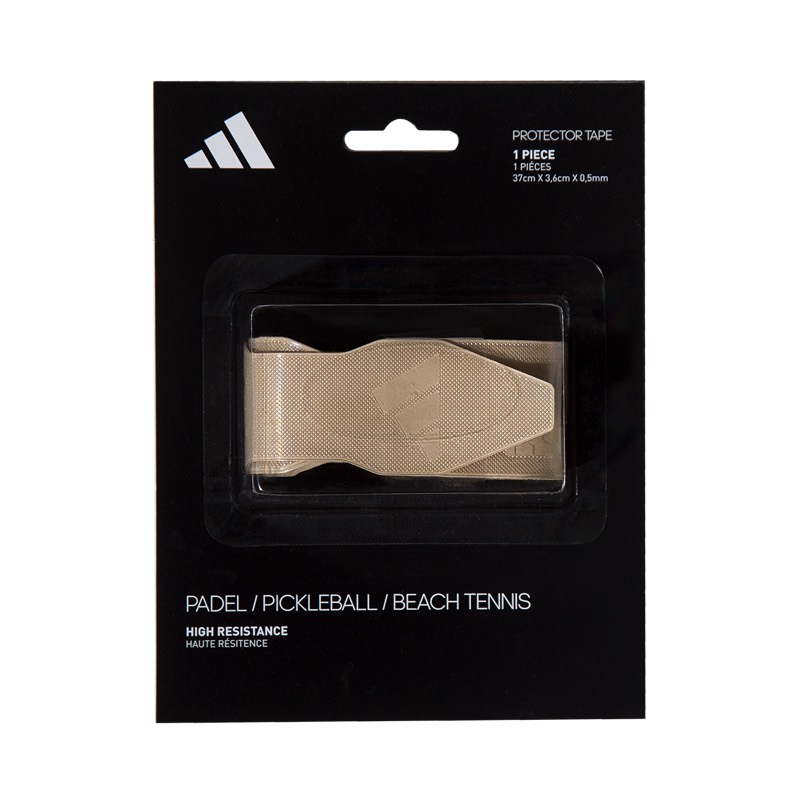
Adidas Antishock Protection Tape
The one to buy if you only read one entry. Adidas markets it as a multisport tape — the packaging lists padel, pickleball and beach tennis — but the dimensions are cut for a padel head.
Two things make it the default: 100% polyurethane, so it flexes around the top arc without being stretched into place, and 3M adhesive. It is transparent, so it disappears on any colorway. The 3.6 cm width is generous — on a thinner frame, trim the overhang rather than folding it onto the face.
Material: 100% polyurethane, 3M adhesive | Size: 37 × 3.6 cm × 0.5 mm | Finish: Transparent | Price: $9.95 | Shop at Racket Central
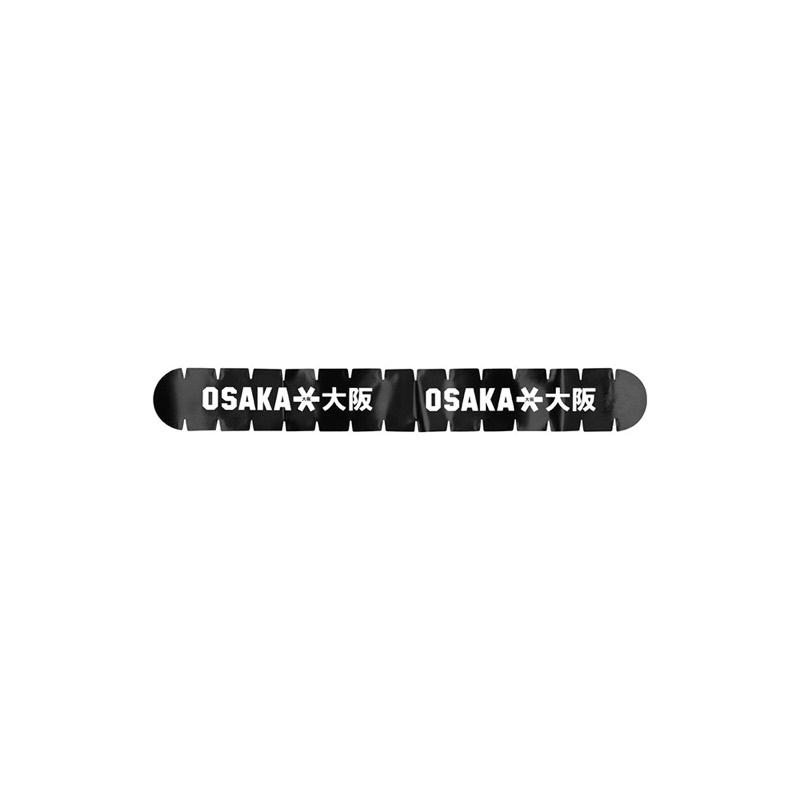
Osaka Padel Bumper
Osaka cuts notches along the inner edge, which is the detail that matters. A flat strip has to stretch to follow the curve of a padel head, and stretched tape pulls itself back off the frame over the following month. A segmented bumper closes the gaps instead and lies flat.
It is the pick for outdoor and turf-heavy play, and the heaviest option here, so factor that in on an already head-heavy racket. Sold in black and clear at the same price.
Material: Die-cut segmented bumper | Colors: Black, Clear | Fit: Universal, contours to the head | Price: $9.00 | Shop at Racket Central
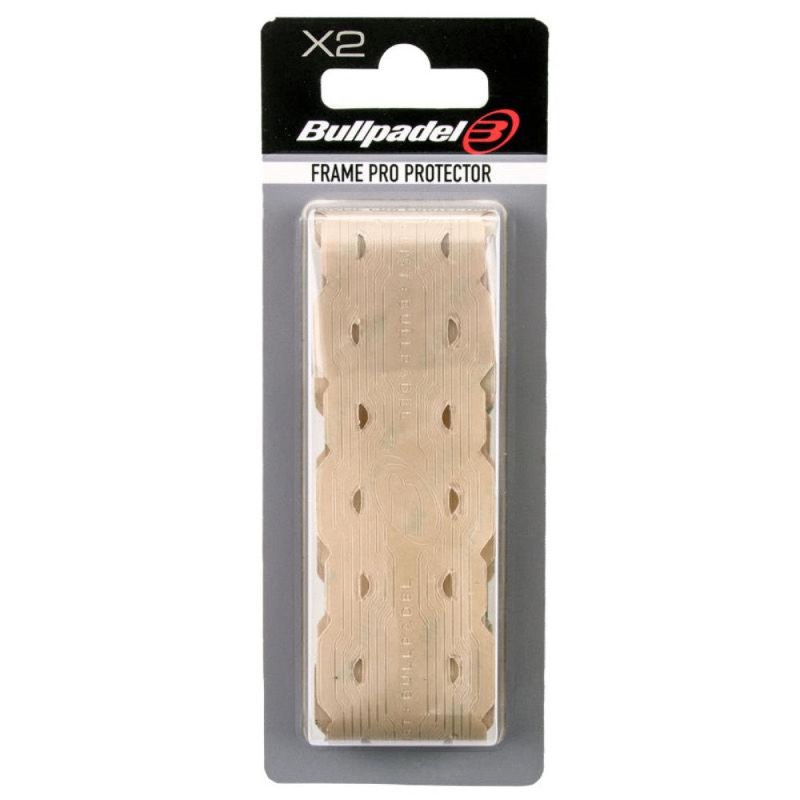
Bullpadel Frame Pro Protector, 2-Pack
If you play a Bullpadel — a Vertex, a Hack, an Elite — this is the protector cut for the frame you already own, with a perforated pattern that lets air escape as you press it down instead of trapping bubbles.
The two-pack at $19.99 is the smarter buy, because you will replace it and the second one saves a shipping charge later. Single units in black or white are $8.99 if you would rather match a colorway than disappear.
Material: Perforated transparent film | Quantity: 2 units | Finish: Clear | Price: $19.99 (about $10 each) | Shop at Padel Padel
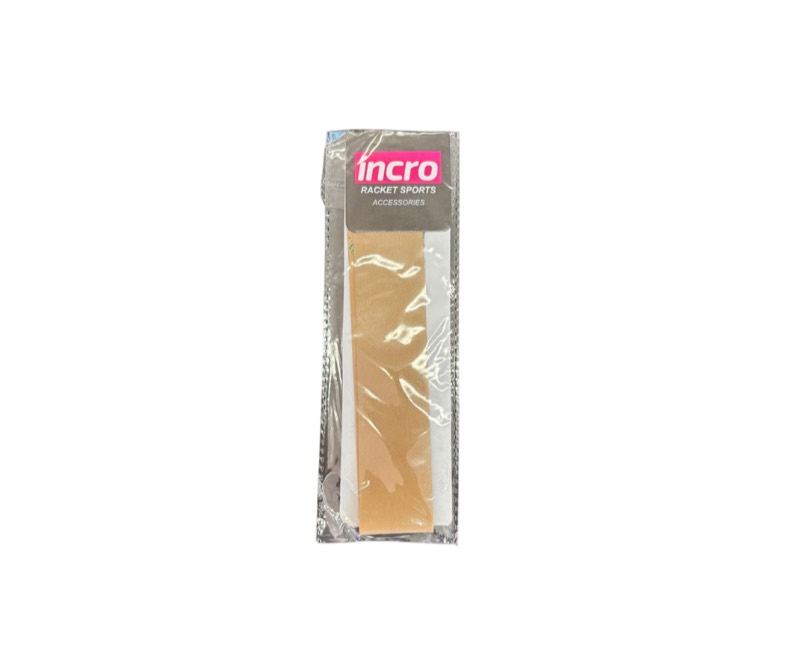
Incro Racket Protector Transparent Rough
The cheapest genuine padel protector we found in US stock, and the textured finish is an advantage rather than a cost cut: a matte surface scuffs without going cloudy, so it looks acceptable for its whole life. Incro is an accessories brand rather than a racket brand, so the fit is universal — expect to trim a little at the ends on a narrower frame. The same range comes in printed flag designs at $14.99.
Material: Textured transparent film | Quantity: 1 unit | Finish: Clear, matte texture | Price: $8.99 | Shop at Padel Padel
Universal vs Brand-Specific Fit
Almost everything sold in the US is universal, and universal is fine — a padel head is a fairly standardised shape, and a 37 cm strip covers the arc where damage happens.
What separates a protector that lasts from one that peels is corner coverage and whether you had to stretch it. Stretched adhesive film has memory: it spends the next month trying to return to its original length, and it lifts at the corners first. If a protector will not follow the curve without tension, it is the wrong protector. Brand-matched options do exist beyond Bullpadel — NOX sells one for $9.99 through Casas Padel in Florida — but buy on fit and adhesive, not on the logo.
How to Apply One Properly
Do it the day the racket arrives. A protector goes over paint, not over a chip — once the frame is gouged you are covering damage, not preventing it.
Clean and dry the edge first. Wipe the outer rim with isopropyl alcohol and let it flash off. Skipping this is the number one reason protectors lift — factory frames carry mould release and handling oils.
Start at the top centre and work down each side. Peel the backing progressively and press as you go, so air moves ahead of the strip rather than getting trapped behind it. Never pull the tape to make it reach; if it will not reach, you started off-centre.
Press firmly, then leave it 24 hours. Adhesive needs time to bond, and playing immediately is how you get an edge that lifts on the first wall scrape.
Replace it every two to three months with regular play, or sooner if you can see frame through it. A worn-through protector is a protector doing nothing.
Do Pros Use Racket Protectors?
Some do, and it is the least useful data point in this article. A sponsored player does not buy rackets — they get new frames whenever they want them, so the cosmetic condition of one they will not keep is irrelevant. What a tour player does tells you about their supply chain, not about your $300 purchase.
The more honest signal is that the brands take it seriously enough to build product lines around it: Bullpadel calls its version "Frame Pro" and sells it in the same aisle as the rackets. If a protector genuinely compromised performance, racket brands would be the last people selling them.
Buy one, put it on the day the racket arrives, and stop thinking about it.
Frequently Asked Questions
Continue Reading
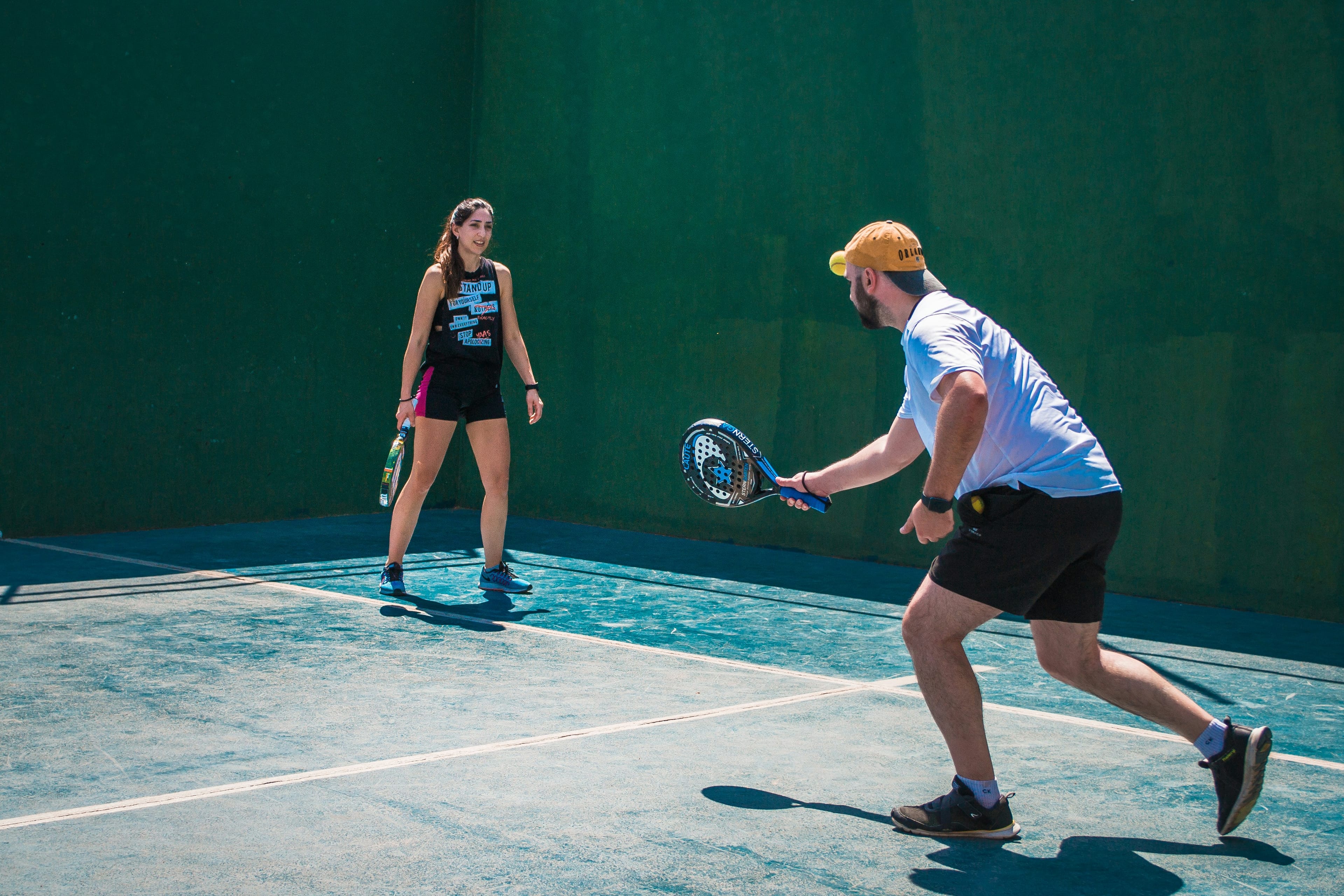
Best Padel Rackets Under $150 in the US: 2026 Picks
Best Padel Rackets Under $150 in the US: 2026 Picks
A $150 ceiling buys more padel racket than you would think: the whole entry band plus last season's mid-range on markdown. We swept all four US padel retailers, pulled every frame's own published specs, and picked seven that are in stock today — from a $79.99 entry frame to a 35%-off Bullpadel that normally costs $225.
How to Spot a Fake Padel Racket: A US Buyer's Guide
How to Spot a Fake Padel Racket: A US Buyer's Guide
Counterfeit padel rackets are real, but a low price alone proves nothing — the US also has a large grey-import trade that isn't fake at all. Here are the five checks that actually work, including the weigh-and-measure test no other guide covers, and what to do if you have already bought one.
GLDN PNT: Miami's Padel Apparel Brand, Now with Reebok
GLDN PNT: Miami's Padel Apparel Brand, Now with Reebok
Miami-born GLDN PNT is the first American padel apparel brand to land a major sportswear collaboration. What the Reebok x GLDN PNT collaboration includes, what it costs, and why a padel-native label matters for US players.