
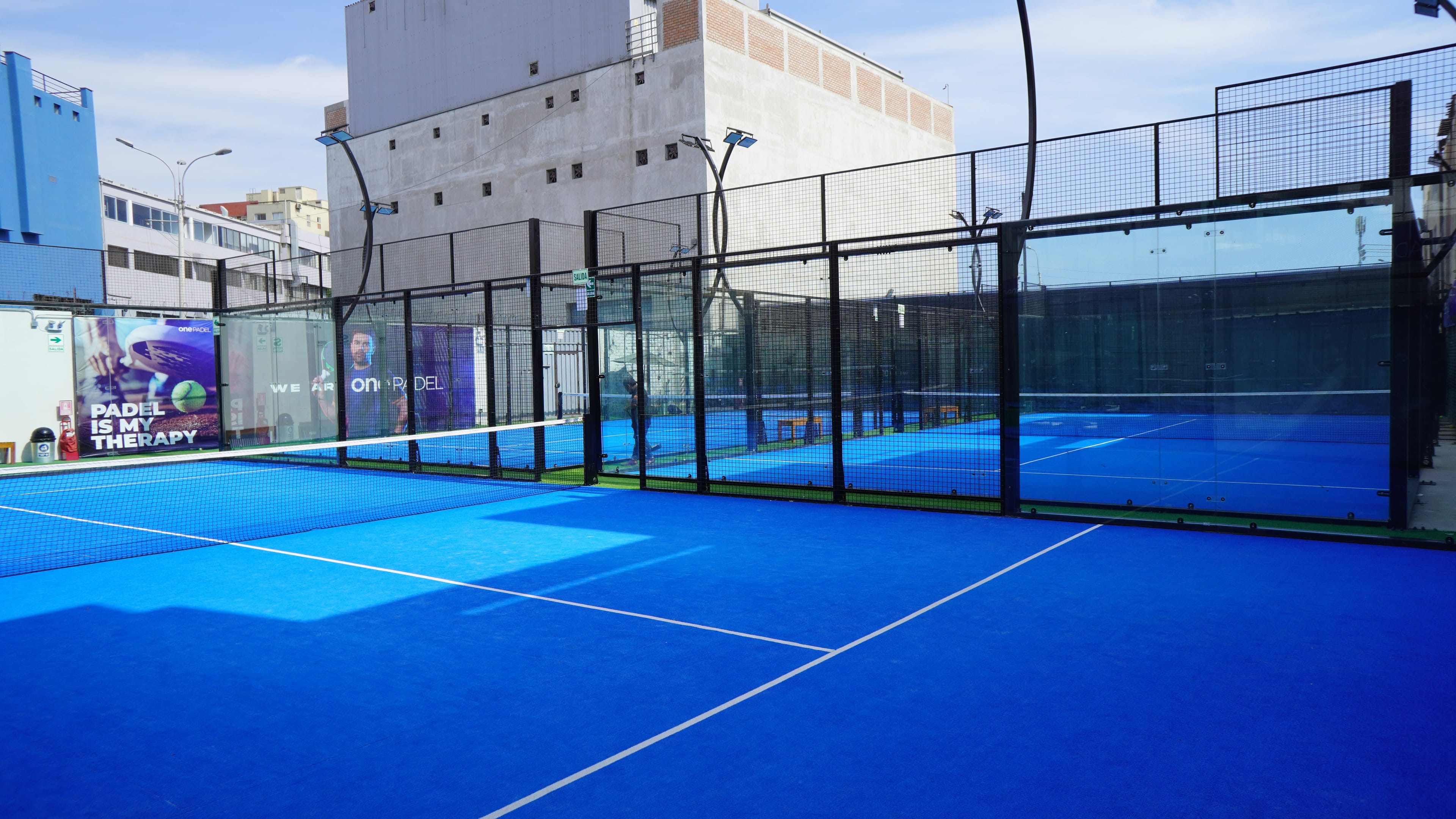
Padel Line Calls: How to Settle Disputes Without a Ref

Padel Line Calls: How to Settle Disputes Without a Ref
Who calls what, why “out” is rarer than you think, and how to disagree without ruining the game.
A serve clips the line, nobody agrees, and there is no umpire to ask. It is the most common awkward moment in club padel, and almost nothing written about the sport tells you how to resolve it.
Club Padel Has No Referee — So Who Calls It?
Start with something the rulebook quietly admits: it doesn't cover this.
In the International Padel Federation's Rules of Padel, the edition in force from 1 January 2026, every dispute mechanism routes to an official. Rule 10 says a player who believes a "let" has occurred "must let the umpire know immediately." Rule 11 hands interference to the umpire. Nothing describes what four people do on a Tuesday night with nobody in a chair.
So club padel runs on a convention borrowed wholesale from tennis: you call your own side. The pair on the receiving end of the ball decides whether it landed in, whether it bounced twice, whether it caught the fence. You don't call your opponents' side, and they don't call yours. That one rule settles most of what follows.
The Calls You Actually Have to Make
Padel hands you fewer decisions than tennis does. These are the five that are genuinely yours — if you need the underlying rules first, start with our beginner's guide to padel rules.
Did the serve land in the box?
Here is the fact that reframes the whole question. A regulation padel court has three lines per side: a service line 6.95 m from the net, and a central service line splitting the service area in half. That is the entire line layout — no sidelines, no back line. The walls are the boundary, as our breakdown of padel court dimensions lays out.
Which means every genuine in-or-out line call in padel is a serve call.
Rule 7 keeps it simple: the serve is a fault if the ball bounces outside the receiver's service box, and the lines count as good. A serve that clips the line is in. The receiver makes that call, out loud, immediately.
The foot fault
Rule 6 requires the server to keep one foot behind the service line — padel has no "baseline," despite what tennis players expect — between the sidewall and the imaginary extension of the central line, and to stay there until the ball is struck. Touching either line is a fault, and the ball must be hit at or below waist level with at least one foot on the ground.
In club play nobody calls foot faults, and for a social hit that's fine. In a league match, mention it once before a point — never after they've hit an ace. Full list: illegal padel serves.
Double bounce
Rule 13 loses the point when "the ball bounces for a second time before being returned." This is the call you make against yourself — you are standing on top of it, and your opponents are twenty metres away looking through glass. The honest habit is calling "two" before anyone asks.
Off the fence or off the glass
The padel-specific one, and the one newcomers get wrong.
On a serve, Rule 7 makes it a fault if the ball bounces in the correct box and then touches the metallic fence before the second bounce. The glass is in play. A serve that lands in and then kisses the side glass is perfectly legal. The same line divides net cords: Rule 9 gives you a "net" serve if the ball clips the net or posts and still lands in the box, provided it doesn't touch the fence before bouncing twice.
During a rally the distinction disappears. Rule 12 defines the court as the insides of the walls, the metallic mesh fence, the ground, the net and the posts. What matters is order, not material: your shot must bounce on the floor of the opponents' side before it touches anything back there. Drive one into their glass on the fly and you lose the point. Bounce it first and everything after is fair play — including the corner where wall meets ground, which Rule 14 explicitly calls a good return. For how to use that geometry, see using the glass walls.
The double hit and the carry
Rule 13 loses the point for a double hit and for both partners striking the same ball — but the rulebook is more forgiving than club folklore. A carry is a correct return if, per Rule 14, the player has not hit it twice, "the impact takes place during the same movement and the natural exit of the ball does not vary substantially." There's even an explicit note that it isn't a double hit when two partners go for the same ball and one strikes it while the other catches their teammate's racket.
Unless you clearly felt two separate hits, play on. This is the most over-called thing in club padel.
What Counts as "Out" in Padel
Much less than you would guess. Because the enclosure is the boundary, a ball landing anywhere inside the court is in. "Out" only happens when the ball leaves the cage.
On a court with no authorised safety area, that's the end of it — Rule 13 loses the point the instant the ball clears the perimeter or goes through the gate. On a court that permits out-of-court play, which FIP defines as at least 3 m of clear space per side and 4 m deep, the rule splits:
- Over the end wall: point lost, no matter what.
- Over the side wall or through the door: still live. Chase it and play it back in before the second bounce.
And from Rule 15: if a ball that bounced in your opponents' court then escapes through a hole in the fence, jams in one, or comes to rest on the flat top of the wall, you win the point.
When You Genuinely Don't Know
Replay it. "Let's play two" costs one rally and settles everything.
Two guardrails keep it honest. Claim it immediately — Rule 10's principle is that a player who plays on forfeits the right to the let, and the same logic applies to a doubt you sat on for three shots. And save it for real uncertainty. A replay used as a negotiating tactic is worse than just losing the point.
Disagreeing Without Wrecking the Game
Call your side, not theirs. If the ball landed on their half it isn't your call, however good your view was. The urge to help is what turns a line call into an argument.
Concede the close one. The convention inherited from tennis sends genuine doubt to your opponent. Over a season it costs you almost nothing and buys a reputation worth more than one point.
Reset the score out loud. When the score is disputed, go back to the last score both pairs agree on and replay forward. Announcing the score before every serve prevents it entirely, which is why it's standard padel etiquette. If the counting itself is the problem, see keeping score in padel — and golden point vs advantage explains why two courts at the same club can be playing deuce differently.
How Leagues and Americanos Handle It
Rotating formats put strangers together every few games, which is exactly when self-officiating gets strained. Organisers almost all respond the same way: players still make the calls, but a scorecard gets signed by both pairs each round. It referees nothing — it just makes the score, the one thing people genuinely misremember, impossible to argue about later. New to the formats? Start with Americano, Mexicano and king of the court.
When There Is a Referee
At sanctioned competition the rulebook takes over and none of the above applies. You may request a let, but Rule 10 gives the umpire the decision — and asking for one that isn't warranted costs you the point. Rule 11 is sharper still: a second unintentional interference by the same pair loses them the point.
That's the trade. An official removes the ambiguity and removes your discretion with it. Everywhere else, the system is just two pairs agreeing to be honest about their own half of the court. It works better than it sounds.
Ready to put it into practice? Find a padel club near you and check court availability.
Frequently Asked Questions
Continue Reading
How to Defend the Smash in Padel: Surviving the Por Tres
How to Defend the Smash in Padel: Surviving the Por Tres
Smash defense in padel is a reading problem, not a power problem. Here is how to tell which overhead is coming, where to stand, and which of four responses to pick — plus what the FIP rulebook actually says about chasing a por tres out the side door.
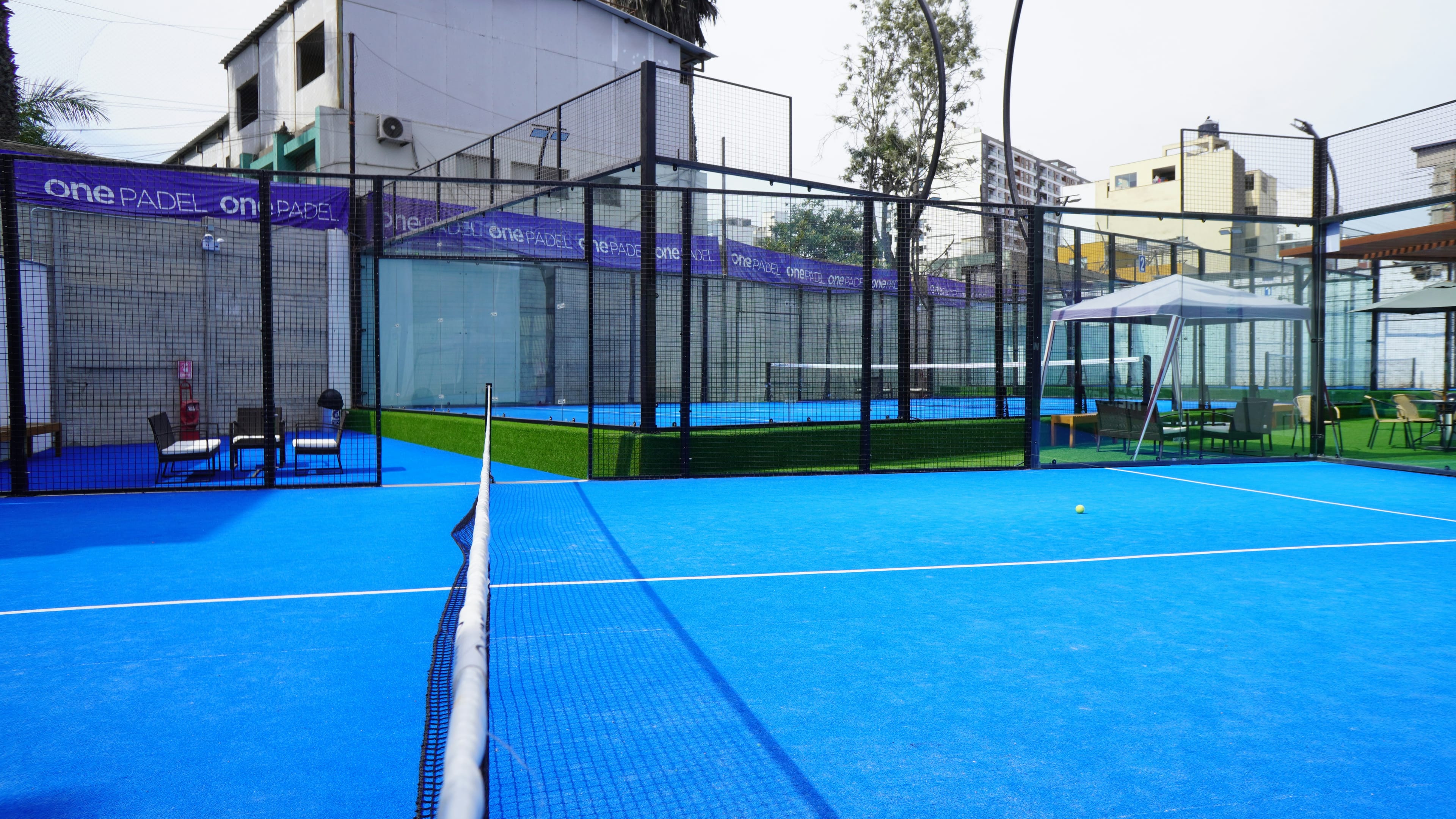
Golden Point vs Advantage: Padel's 40-40 Rule Explained
Golden Point vs Advantage: Padel's 40-40 Rule Explained
Padel has three ways to settle a game at 40-40, not two: advantage, golden point, and the Star Point that the FIP made the professional standard for 2026. Here is how each one works, who uses it, and how the deciding point changes the way you should play it.
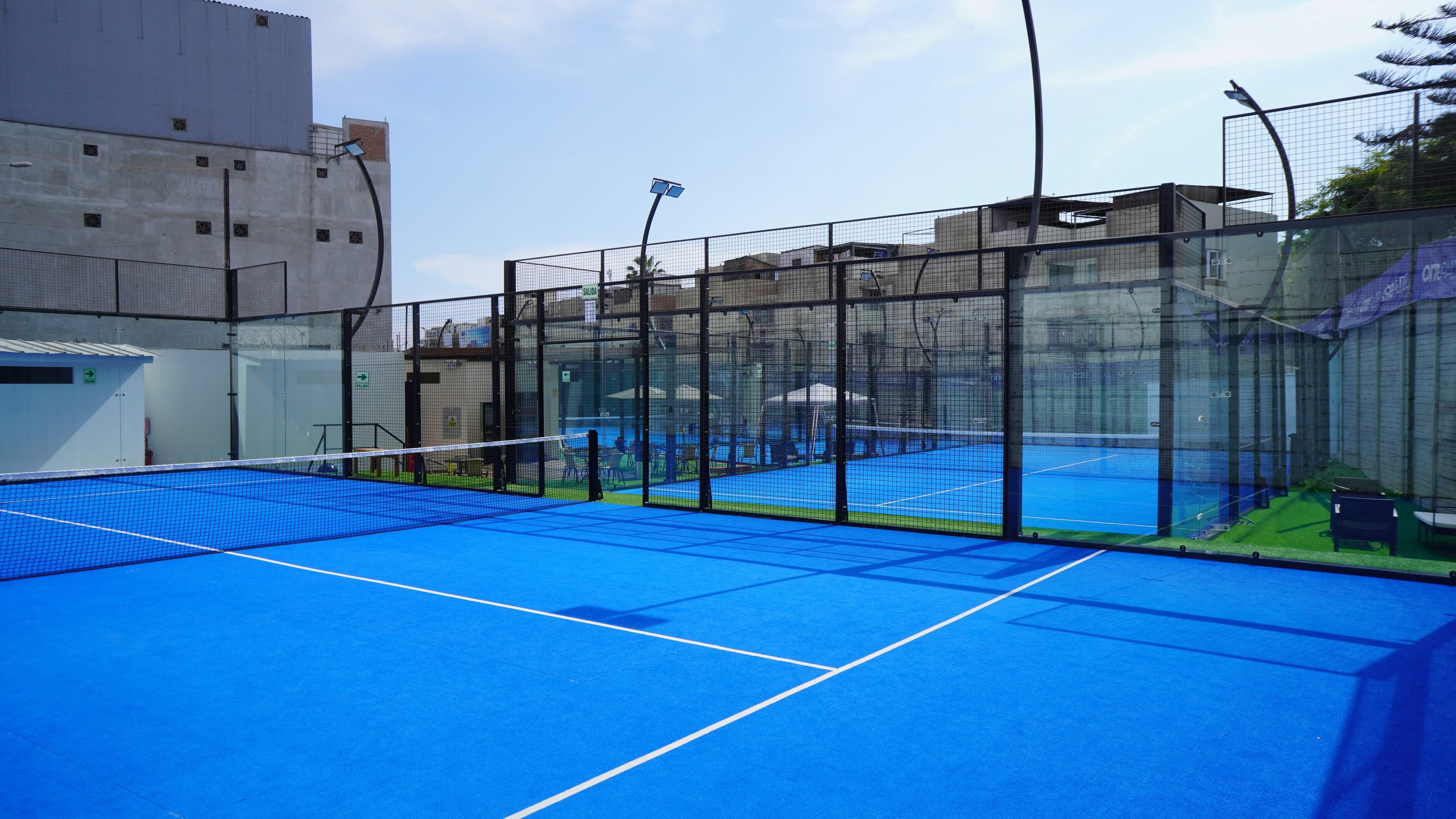
Can You Play Padel in the Rain? Wet Court Safety Rules
Can You Play Padel in the Rain? Wet Court Safety Rules
Rain changes the traction, the ball and the back-wall rebound — and traction is the one that can actually hurt you. Here are the three stop rules, how to adjust if you play through a drizzle, and which US metros have an indoor backup when the sky opens. Spoiler: the rainiest ones do not.