
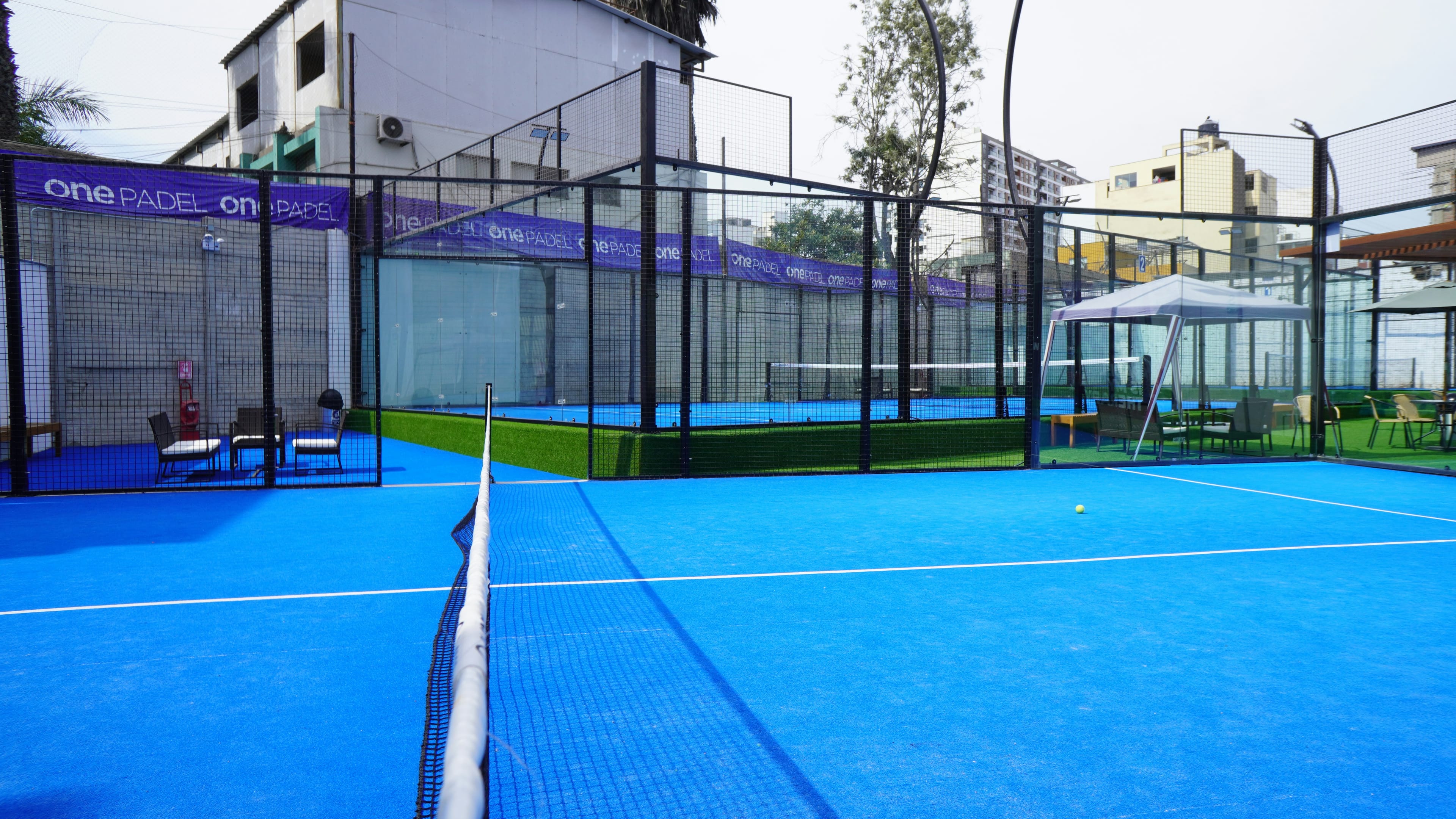
Golden Point vs Advantage: Padel's 40-40 Rule Explained

Golden Point vs Advantage: Padel's 40-40 Rule Explained
Three scoring systems, one deciding moment, and what changed for the 2026 season
At 40–40, padel does not have one answer. It has three — and which one you play depends on the tour, the league, or whoever booked the court.
That matters right now: padel's governing body changed the professional default for the 2026 season, so most of what is written online about "golden point versus advantage" is a season out of date.
The three ways a padel game can end at 40–40
The International Padel Federation (FIP) rulebook lists three scoring options for a game, not two. All three count 15, 30, 40 identically — if that part is still new, start with our complete guide to keeping score in padel. They only diverge once both pairs have won three points:
- Advantage — win two points in a row from deuce.
- Star Point — up to two advantages, then one deciding point.
- Golden point — one deciding point immediately, no advantages at all.
A club, league, or tour picks one and applies it to the whole match.
Golden point: sudden death at deuce
At 40–40 the umpire calls deuce, one point is played, and whoever wins it wins the game. No advantages, no second chances. It is the fastest of the three, and the one you are most likely to meet in casual and social play.
The receiving pair picks the side — and cannot swap positions
This is the detail most players get wrong. On a golden point, the receiving pair chooses which side the serve comes to — right court or left court. That is the whole of the choice. The rulebook is explicit that the receiving players may not change positions to take the deciding point. You are not picking which partner returns; you are picking which side the ball goes to, and whichever partner already stands there plays it.
The distinction matters in practice: if your stronger returner is on the left, you choose left — you cannot have them slide across to the right. Announce the choice clearly before the server sets up.
One wrinkle that almost never gets written down: in mixed matches, the player receiving the deciding point must be the same sex as the server — and the no-swapping rule still applies on top of that.
Where golden point came from
The World Padel Tour adopted golden point from its 2020 season, chasing shorter, more predictable matches for broadcasters. WPT ceased operations after 2023, and Premier Padel became the sport's single global tour from 2024 — dropping golden point for traditional advantage in the process.
Advantage: the traditional format
Standard tennis scoring. From deuce, the pair that wins a point has the advantage; win the next one and the game is theirs, lose it and the score returns to deuce. Repeat until someone wins two in a row.
It rewards the better pair more reliably, because one lucky point cannot steal a game. It also makes match length unpredictable — fine on a Saturday morning, a real problem for a televised tour on a schedule.
Star Point: the 2026 compromise
On 28 November 2025, the FIP General Assembly — 100 national federations — unanimously approved a new scoring format called the Star Point, added to the rulebook as Rule 1, Option 2. It is a hybrid, and it runs in three stages:
- First advantage. Win it and you win the game. Lose it and the score returns to 40–40.
- Second advantage. Win it and you win the game. Lose it and you move to the Star Point.
- Star Point. One decisive point. Whoever wins it wins the game.
So a game can contain at most two advantages before sudden death. The same receiving rules as golden point apply: the receiving pair chooses the side and cannot change positions.
The Star Point applies across Premier Padel, the CUPRA FIP Tour, FIP Promises, and the amateur FIP Beyond circuit from 2026. It debuted at the FIP Bronze Melbourne in January and reached Premier Padel at the Riyadh P1 in February. If you are watching a professional match in 2026, you are watching Star Point — not golden point, and not pure advantage.
Why the tours keep changing this
The stated case for golden point was always match-length control. The evidence is weaker than the pitch.
Research into professional padel found it cut only about three minutes from a set, while producing more breaks of serve and closer sets — roughly one in four men's games and one in three women's games ended on a golden point. It did not really shorten matches so much as tighten them, giving underdogs a live chance in every game.
That is the trade-off the Star Point tries to split: cap the worst-case game length without handing one random point the power to decide it.
Which one does your US club use?
Honestly: ask. There is no national standard, and court-time economics drive the decision.
- Open play, social sessions, and Americano formats almost always use golden point. When a court rotates every 15 minutes, nobody can afford a seven-deuce game.
- Leagues and tournaments vary. Some have followed FIP to Star Point; plenty still run golden point; a few play full advantage. If you are entering a US tournament or league, check the format sheet.
- Booking a court with friends? It is your call — just agree before the first serve.
Ask at the desk, or ask your opponents during the warm-up rally. Ten seconds beats an argument at 40–40.
How a one-point game changes your tactics
Whether it is a golden point or a Star Point, the moment plays the same way — and it is not the moment for heroics.
If you are serving, get the first serve in. Your only edge on a deciding point is that the receivers are under pressure, and a double fault hands the game away for free. Serve to the body, join your partner at the net, and make them beat you.
If you are receiving, choose your side deliberately rather than by habit, and return deep and central. A deep middle return kills the angles and forces a neutral rally — which is what you want, because the pressure does the work for you.
That last point is worth sitting with. In men's professional padel, the share of points ending in an error rather than a winner rises to roughly 61.5% on golden points. At the highest level of the sport, deciding points are lost far more often than they are won. The percentage play really is the right play.
The rest is between your ears, and the mental side of padel is where most club-level deciding points are settled. Breathe, pick one plan, tell your partner what it is, and commit.
Still filling in the basics? The beginner's guide to padel rules and the padel glossary cover the ground — and padel singles is a different animal again.
Frequently Asked Questions
Continue Reading
Can You Play Padel in the Rain? Wet Court Safety Rules
Can You Play Padel in the Rain? Wet Court Safety Rules
Rain changes the traction, the ball and the back-wall rebound — and traction is the one that can actually hurt you. Here are the three stop rules, how to adjust if you play through a drizzle, and which US metros have an indoor backup when the sky opens. Spoiler: the rainiest ones do not.

Padel Serve Rules: 7 Illegal Serves Players Get Wrong
Padel Serve Rules: 7 Illegal Serves Players Get Wrong
Most padel serve arguments end without anyone opening the rulebook. We opened it — here are the seven illegal serves club players make every week, each one quoted from the FIP Rules of Padel. Including the widely repeated 1.06 m contact height that doesn't appear in the rulebook at all.
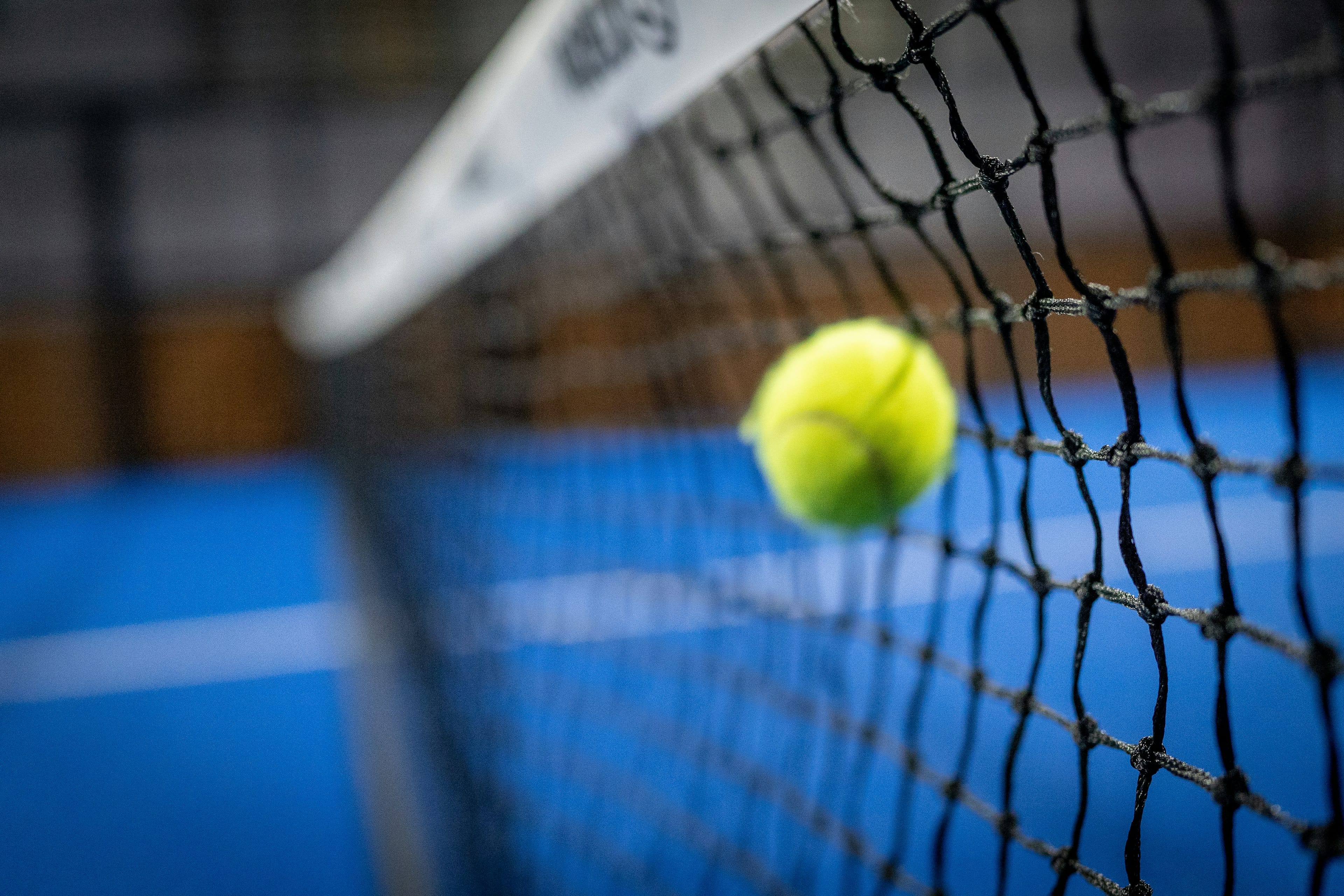
Padel Court Surfaces Explained: Turf, Sand & Speed
Padel Court Surfaces Explained: Turf, Sand & Speed
Every padel court in the US is artificial grass over concrete, dressed with silica sand - but turf type, pile height and how much sand is left decide how fast the ball comes at you. Here is how to read the court under your feet in the first two minutes of a warm-up, and adjust before it costs you a set.