
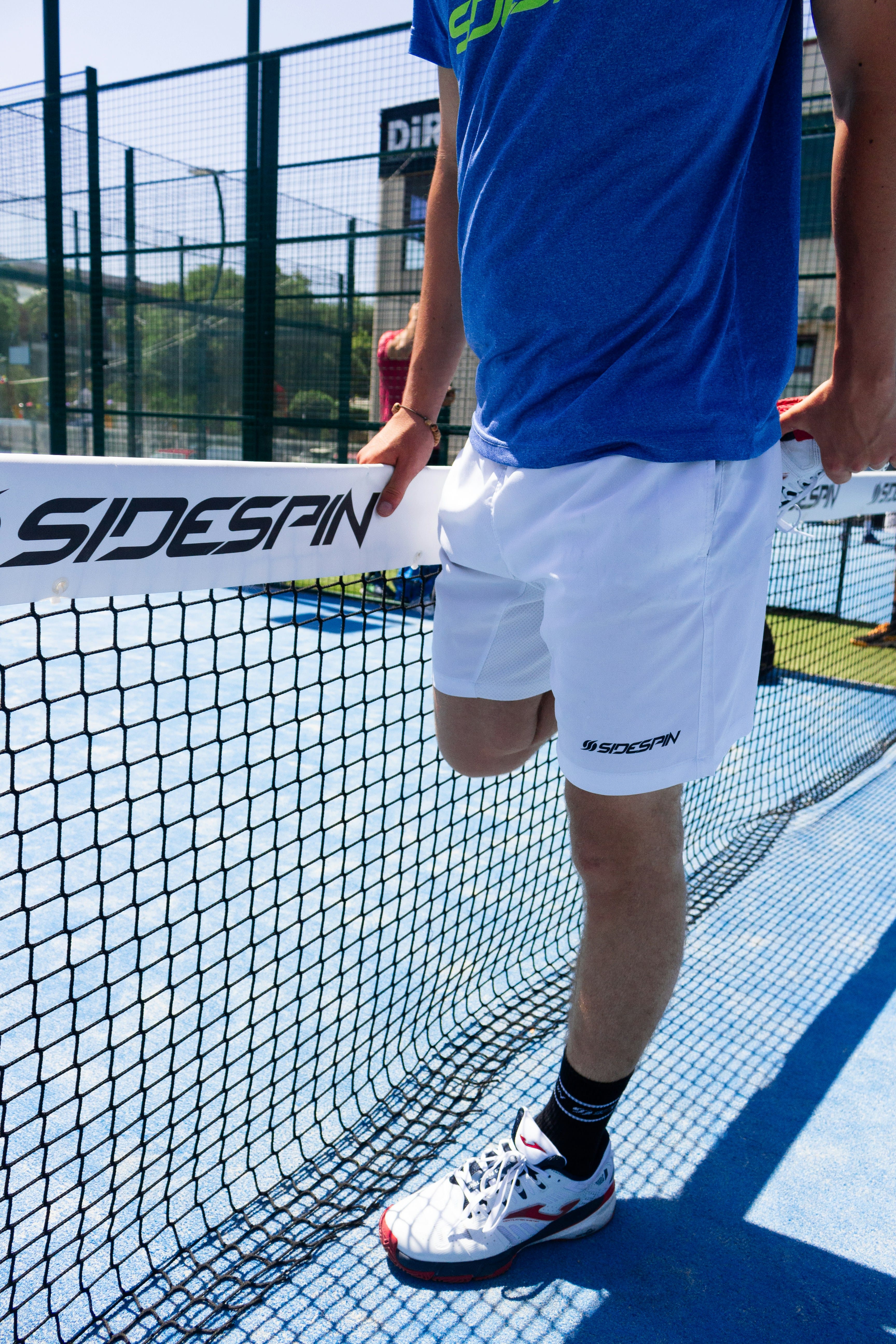
Padel for Kids: A Parent's Guide to Getting Started

Padel for Kids: A Parent's Guide to Getting Started
Smaller court, glass walls, faster wins — why padel might be your child's first real racket sport.
Padel is one of the easier racket sports to introduce to a child. The court is smaller than tennis, the glass walls keep balls in play, and the underhand serve means a five-year-old can get a rally going on day one. If your kid has watched you play and asked when they get a turn, here's how to set them up well.
Why padel works for kids
A padel court is 20 by 10 meters — roughly a third the size of a tennis court. That single difference fixes most of what makes traditional racket sports frustrating for young children. Balls don't sail to the back fence. Glass walls turn missed shots into second chances. And because the serve is underhand and bounces before crossing the net, kids don't spend months learning to toss a ball in the air before they can actually play a point.
The result is faster wins — and faster wins keep kids coming back. Most beginners can rally within their first lesson, which is exactly the kind of early-success loop child psychologists look for when they recommend a sport.
What age can a child start?
There's no hard floor, but a few ranges work better than others.
Ages 5–8: Mini-padel or "fun padel" sessions with foam or low-compression balls. The goal is hand-eye coordination and basic racket control, not tactics. Sessions stay short — 30 to 45 minutes — and lean heavily on games rather than drills.
Ages 9–12: This is the sweet spot for starting padel properly. Kids in this range can hold a junior racket comfortably, understand basic positioning, and stay engaged for a full hour. Most junior clinics target this age group.
Teens: Adolescents who already play tennis, pickleball, or squash typically pick up padel in two or three sessions. If your teen has racket-sport experience, jump straight into a regular group clinic rather than a beginner class.
Equipment for kids
A standard adult padel racket weighs 360–385 grams, which is too heavy for most children under 12. Look specifically for junior padel rackets, which usually weigh 200–280 grams and have shorter handles for smaller hands. Brands like Bullpadel, Head, Nox, and Babolat all make junior models in the $40–80 range.
A few quick equipment notes:
- Weight first, brand second. A lighter racket your child can actually swing matters more than the logo on it.
- Add an overgrip. A thin overgrip makes any handle feel right for a small hand and protects the original grip.
- Skip the pressurized adult ball at first. Low-compression "transition" balls bounce slower and let kids return more shots — search for "padel slow ball" or use a Stage 2 tennis ball as a substitute.
- Eyewear is optional but smart. Cheap polycarbonate sport glasses protect against close-range volleys, which come fast in mixed-age play.
For full racket recommendations and what to expect at each level, see our beginner racket guide. For shopping, Racket Central carries junior-specific models in stock.
Finding junior clinics and programs
US junior padel is still young, but the pipeline is forming fast. A few starting points:
- Padel Haus runs junior clinics at several of its locations, including Williamsburg, DUMBO, Greenpoint, Atlanta, Denver, and Nashville. NYC families: our Brooklyn guide covers all three local sites.
- U-Padel Woodlands in Magnolia, Texas is home to the M3 Padel Academy, which runs structured junior development tracks for kids ages 8 and up.
- PELOTA Padel Club, also in Magnolia, hosts the Houston Volts Pro Padel League team and offers junior clinics aligned with its pro coaching staff.
- USPA's Junior Elite Padel Program is the first nationally sanctioned pathway — eight competitive players ages 12–18 are selected annually, with weekly training and tournament play.
When you tour a club, ask whether instructors are PTR- or USPA-certified, what the coach-to-player ratio is, and whether they group kids by age or by skill level. Skill-based grouping usually produces better outcomes.
Cost expectations
Junior padel in the US runs cheaper than adult lessons but more than tennis youth leagues. Expect:
- Drop-in junior clinic: $35–55 per session (60–90 min, group of 4–8)
- Multi-week junior program: $200–500 for a 6–8 week block
- Private lesson for kids: $60–90 per hour (often split with another kid to halve the cost)
- Junior tournament entry: $25–60 depending on level
The USPA Junior Elite Program is the exception — selected players pay $200 per month for what's effectively a full development pipeline.
Skill pathway: beginner to junior tournaments
A reasonable arc looks like this. First three months: weekly group clinic, focus on serve, return, and basic positioning. Months four through nine: add a monthly private lesson, start playing social doubles with another junior or a parent. Year two: enter local junior tournaments. USPA sanctions junior brackets at most national events, and kids can build a DUPR rating from age 7 onward — useful when matching them against peers at the next level.
Safety and etiquette for young players
Padel is safer than tennis in one important way (smaller court, less running for a six-year-old to twist an ankle on) and slightly riskier in another (glass walls and close-range volleys). A few rules to teach early:
- Always call "mine" before swinging. Doubles communication is the single biggest safety factor.
- Never run through a glass wall to chase a ball. Walls hurt; missed points don't.
- Wait for the point to end before crossing behind another court. Same etiquette as tennis.
- Shake hands and tap rackets at the net. Same etiquette as the adults.
Our court etiquette guide covers the rest. For what to pack, the what-to-wear guide applies — the only kid-specific addition is a hat for outdoor sessions and a labeled water bottle.
Padel rewards kids who like quick rallies, social play, and games where the wall is an ally rather than an enemy. If yours is one of them, the next step is a single drop-in session: pick a club, book a junior clinic, and let the court do the rest.
Frequently Asked Questions
Continue Reading
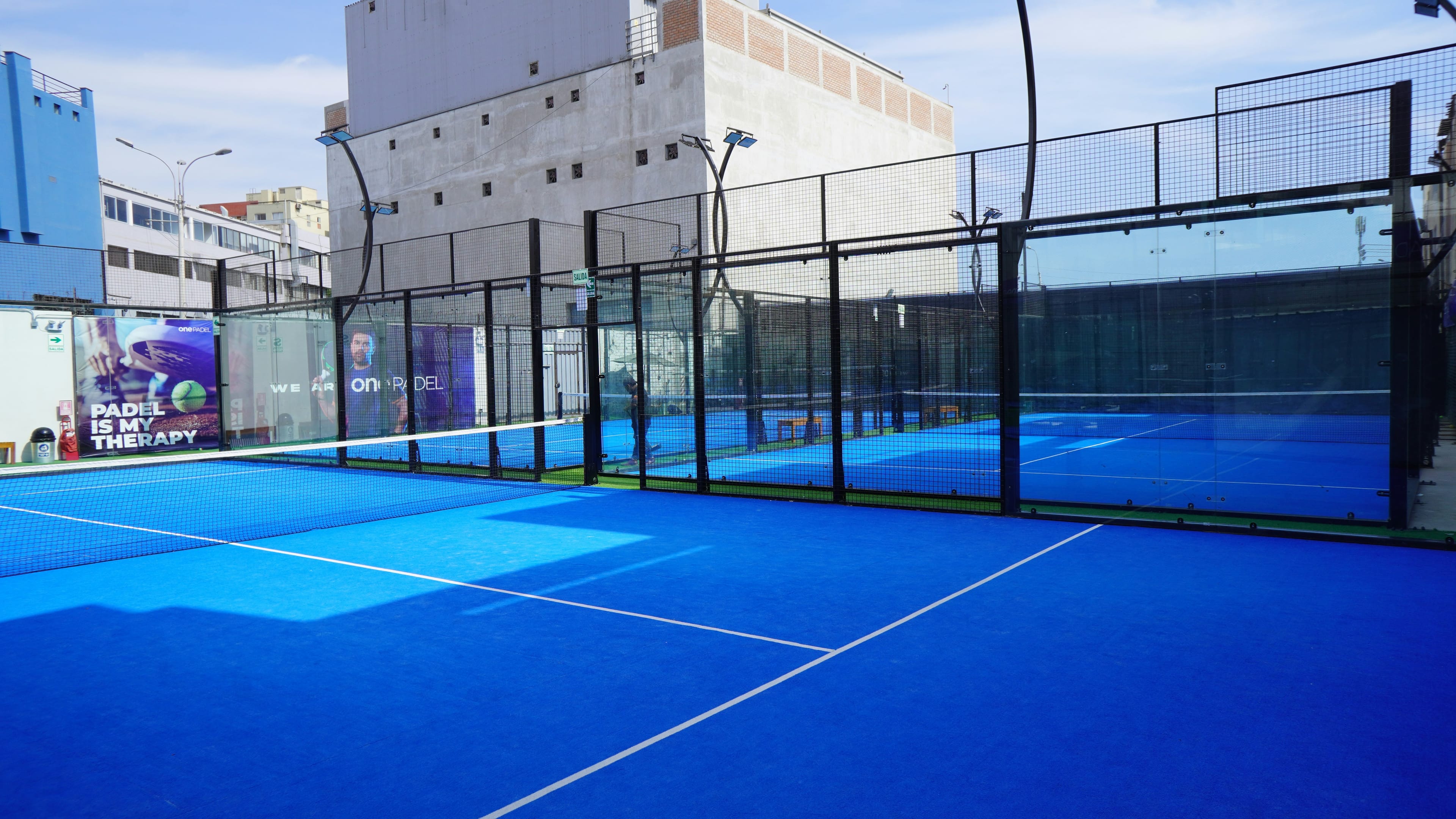
Padel Line Calls: How to Settle Disputes Without a Ref
Padel Line Calls: How to Settle Disputes Without a Ref
Club padel has no umpire — and the FIP rulebook never explains what to do without one. Here is the actual decision procedure: who makes each call, why every genuine line call in padel is a serve call, and what to do about the point nobody agrees on.
How to Defend the Smash in Padel: Surviving the Por Tres
How to Defend the Smash in Padel: Surviving the Por Tres
Smash defense in padel is a reading problem, not a power problem. Here is how to tell which overhead is coming, where to stand, and which of four responses to pick — plus what the FIP rulebook actually says about chasing a por tres out the side door.
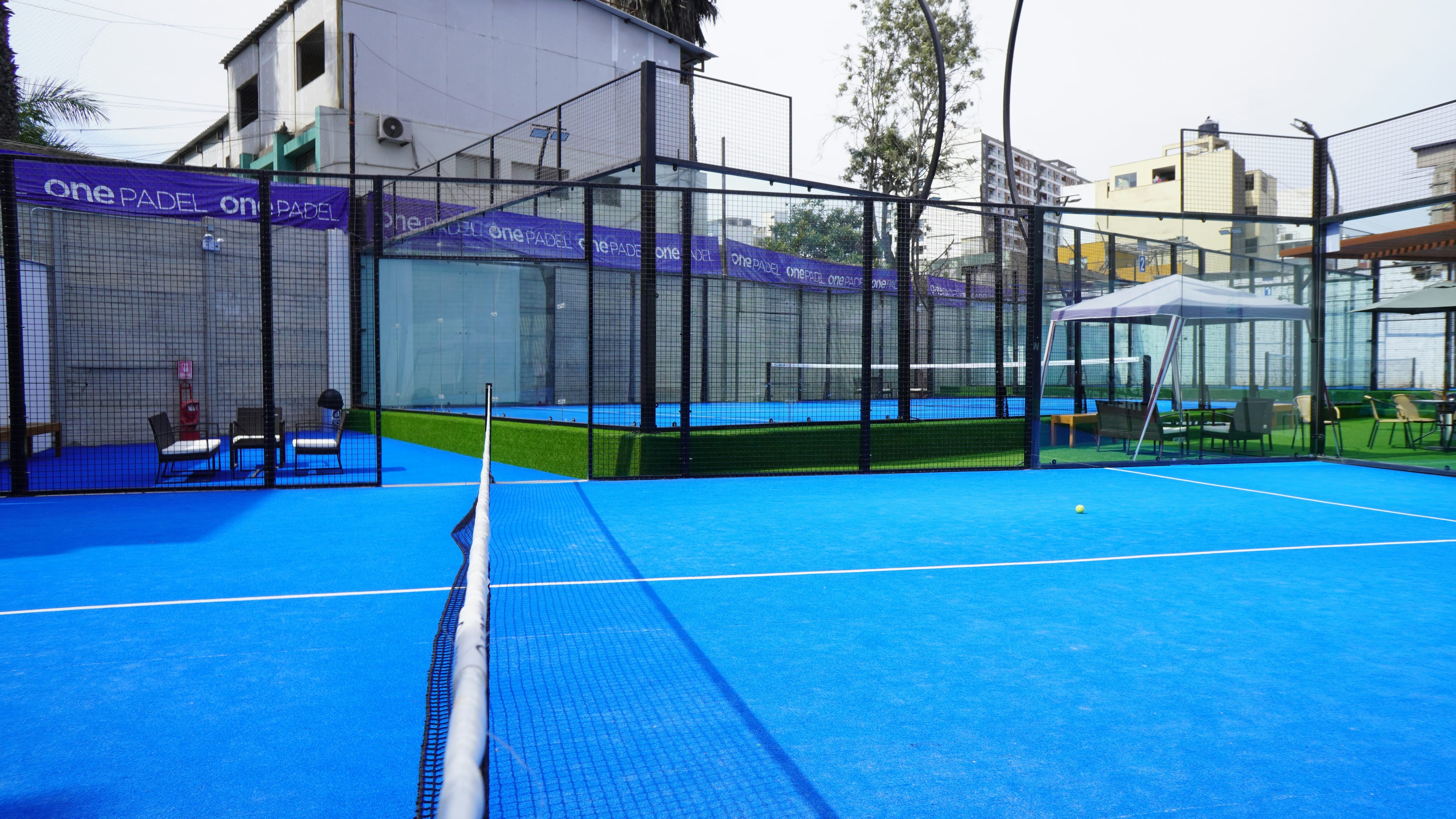
Golden Point vs Advantage: Padel's 40-40 Rule Explained
Golden Point vs Advantage: Padel's 40-40 Rule Explained
Padel has three ways to settle a game at 40-40, not two: advantage, golden point, and the Star Point that the FIP made the professional standard for 2026. Here is how each one works, who uses it, and how the deciding point changes the way you should play it.