
Best Padel Training Aids 2026: Rebounders & Reaction Tools
Best Padel Training Aids 2026: Rebounders & Reaction Tools
Nine tools that turn scarce court time into real reps — and the tennis gear that does not transfer
Court time is the scarcest thing in American padel. Most US clubs sell 90-minute blocks, most of those blocks need four people, and the good ones are gone by Tuesday. So the honest question behind "what training aids should I buy" is narrower than it looks: what can I own that gives me reps I cannot otherwise get?
That rules out most of what ranks for this search — pickleball listicles and tennis rebounder roundups, almost none of it written by anyone who has stood on a padel court. What follows is the short list that is genuinely buyable in the US right now, with prices and stock checked against each retailer's own product data.
Why training aids matter more in padel than in tennis
A tennis player with an hour and a wall can hit 400 balls. A padel player cannot, because padel's wall is inside the court — you can't borrow one without booking the whole thing. The sport's defining skills are also rep-count problems rather than strength problems: contact point, early preparation, split-step timing, and reading a ball off glass.
So training aids in padel are less about novelty than arbitrage: a tool that gets you 200 extra contacts a week in a driveway beats one that makes your single weekly club session marginally more scientific. Apply that test to everything below, and pair it with our solo and partner drill routines so the reps have structure.
Rebounders: the only category that really replaces a partner
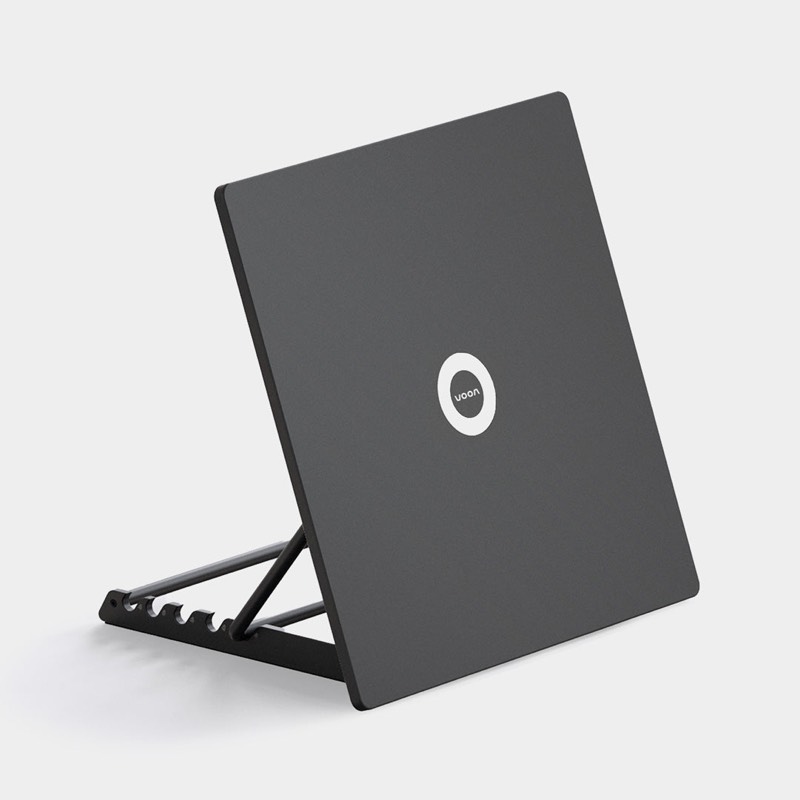
Voon Padel-Tennis Rebounder
The only rebounder we could find with a US storefront that was designed around padel rather than adapted to it. Voon Sports is a Spanish company better known for football rebounders that now runs a dedicated US shop. The padel unit is a compact angled frame you set upright for a flat return or flip over to feed a high ball — the closest thing on the market to practising a wall exit without a wall. Bandejas, volleys and smash placement are what it handles best.
Two caveats. Even on the US storefront, Voon ships from Spain: its own policy quotes 7–9 working days to the US, shipping calculated at checkout. And returns are 14 days under a strict "reasonable test only" condition, so this is not a try-it-for-a-month purchase. The optional Voon Dot sensor ($149) adds app tracking; note the bundled Smart Rebounder is $529, which is $9 less than buying both separately.
Use: Volleys, bandejas, wall exits | Setup: Minutes, no tools | Level: All | Price: $389 | Shop at Voon Sports USA
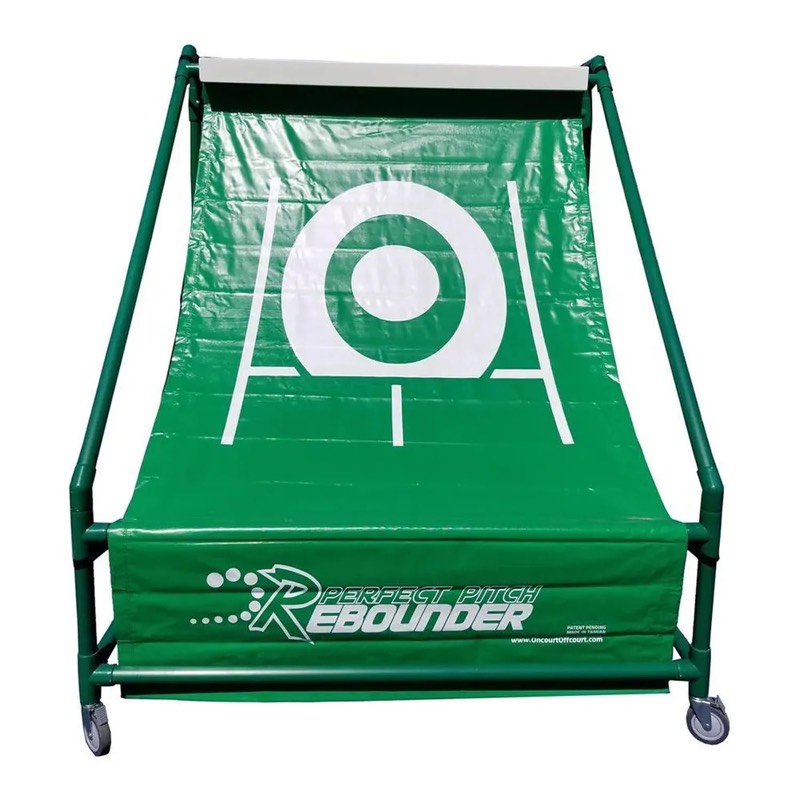
Oncourt Offcourt Perfect Pitch Rebounder
Be clear about what this is. Oncourt Offcourt builds it as a racquet-sport rebounder and the manufacturer's spec sheet lists tennis, pickleball, squash, racquetball and paddle tennis — padel is not on that list, whatever some retailer listings say. Treat it as a well-built general rebounder that happens to suit padel, and the strongest option if you want domestic shipping and US returns.
The ball rebounds off the top bar for a realistic arc, it is specified at roughly 1.6 seconds between shots, and it handles 60–80 mph groundstrokes. A square Entry Level Adapter slows the return for beginners; a Power Absorbing Foam Tube speeds it up for harder hitters. Locking wheels and a two-minute setup make it practical for a club with a spare court.
Use: Groundstrokes, volleys, preparation | Rebound gap: ~1.6 sec | Level: Beginner to advanced | Price: $499.95 | Shop at Tennis Express
What to look for in a padel rebounder
Three things, in order. Frame stability — a padel ball is lower-compression than a tennis ball, so a frame tuned for tennis energy can skitter on softer feeds. Angle adjustment — the difference between a volley drill and a bandeja drill is entirely return height. Return height — anything that only gives knee-high returns drills your worst padel habit, hitting flat when you should be lifting. If you are weighing a rebounder against something automated, our padel ball machine buying guide covers the step up.
Reaction and reflex tools
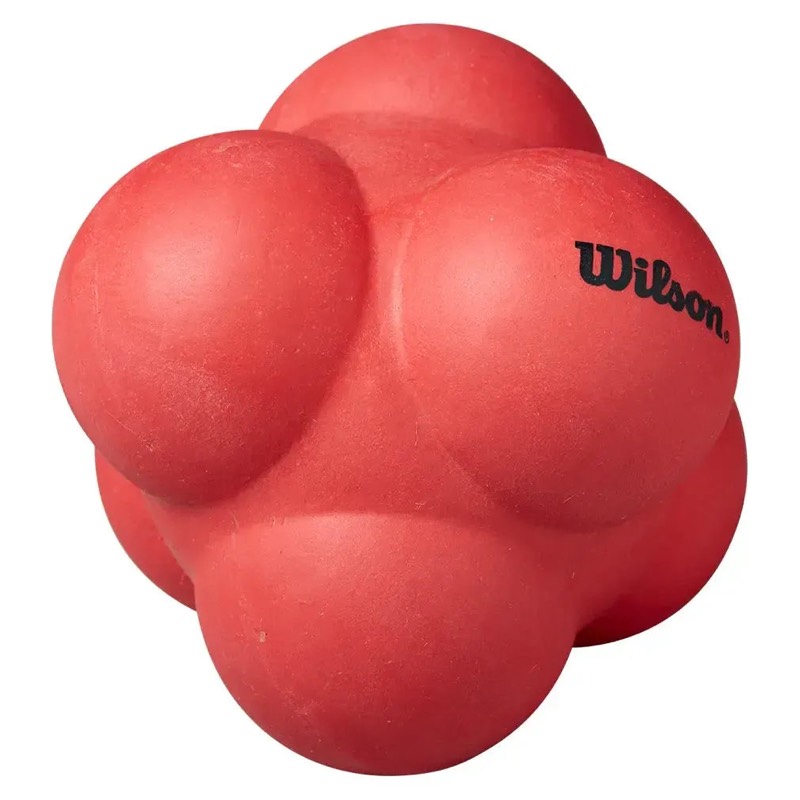
Wilson Reaction Ball Large
The six-lobed rubber ball that bounces unpredictably, and the cheapest genuinely useful thing here. It trains the habit that separates beginners from intermediates: keeping your feet alive between shots instead of planting. Throw it against a garage wall from three metres and catch it one-handed, alternating hands. Wilson also makes a small version at $15.95, but the large is the better padel choice because the slower bounce lets you actually move to it. Kytec's Super Reaction Ball is $9.95 if you want the budget option.
Use: Split-step, hands, reflexes | Sizes: Small / large | Level: All | Price: $19.95 | Shop at Tennis Express
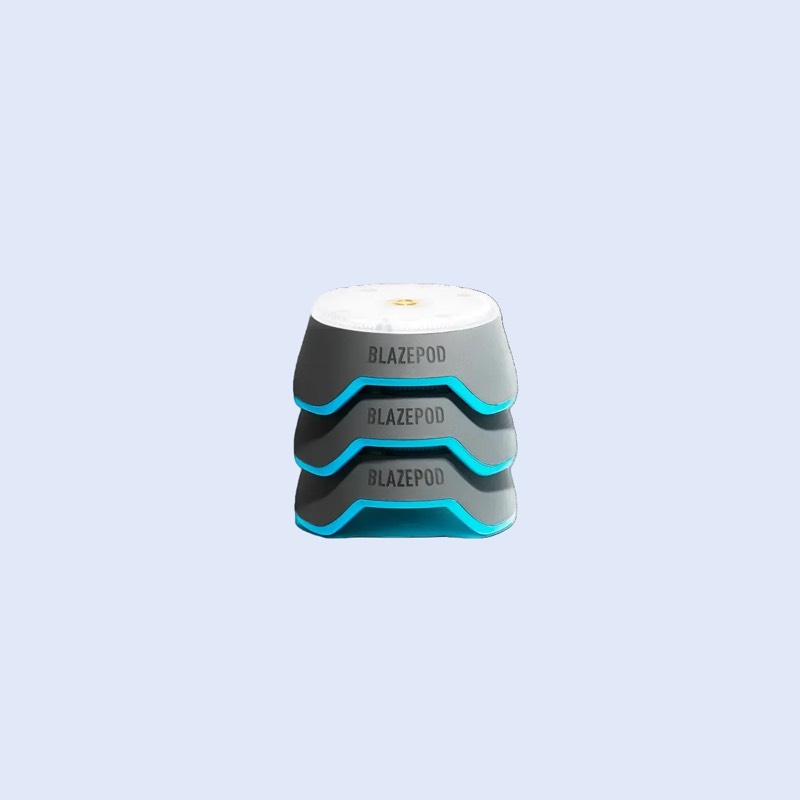
BlazePod Mini Kit
Three app-controlled light pods you tap to extinguish. BlazePod sells direct in the US in USD, making it the most accessible reaction-light system for a club or a serious individual. Put a pod at each net corner and one at the back and you have a padel-shaped movement drill: react, move, recover to position. Honest framing — this is a luxury, not a fundamental. If your bandeja is still inconsistent, spend the $219 on court time. Larger Starter ($329) and Trainer ($439) kits add pods.
Use: Reaction speed, movement patterns | Pods: 3 | Level: Intermediate to advanced | Price: $219 | Shop at BlazePod
Targets and court markers
The highest return-per-dollar category in padel, and almost nobody buys it. A padel court is small enough that shot placement is the whole game, and placement only improves when you have something to aim at.
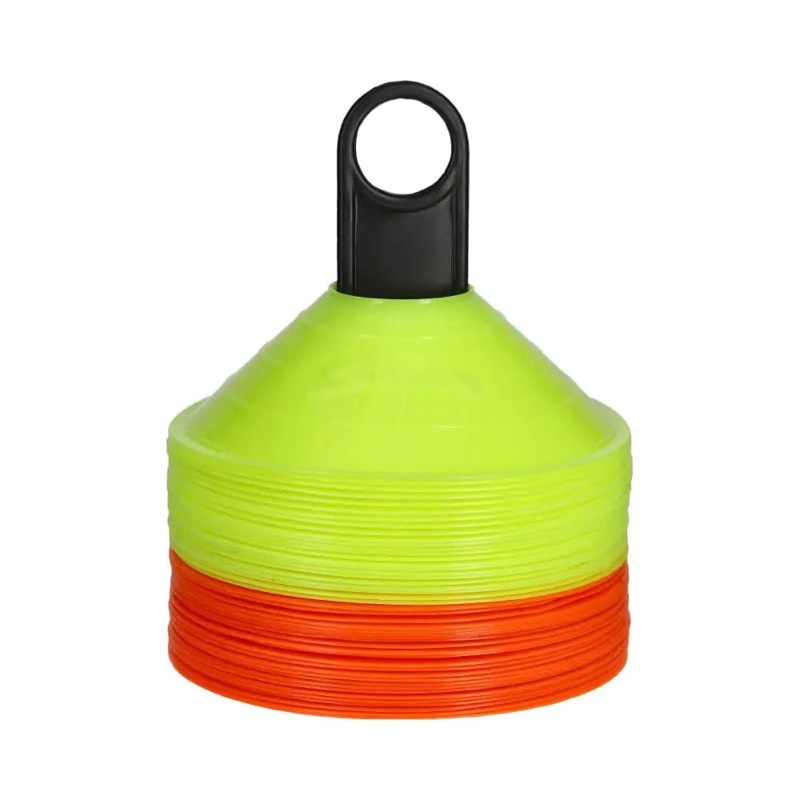
Siux 48x Cones
Forty-eight stackable plastic cones in orange and yellow from Siux, sold in the US by Racket Central. That is more than you need alone and exactly right for a club running clinics. The square base holds on a padel surface and the set costs less than one court booking.
For bandeja work, lay a cone line across the court about a metre inside the opposing service line — that is your landing zone, and it will show you immediately how often you are going long. For víbora, move the target to the side glass junction opposite. For lobs, one cone in each back corner is enough.
Use: Landing zones, footwork gates | Quantity: 48 | Level: All | Price: $39.99 | Shop at Racket Central
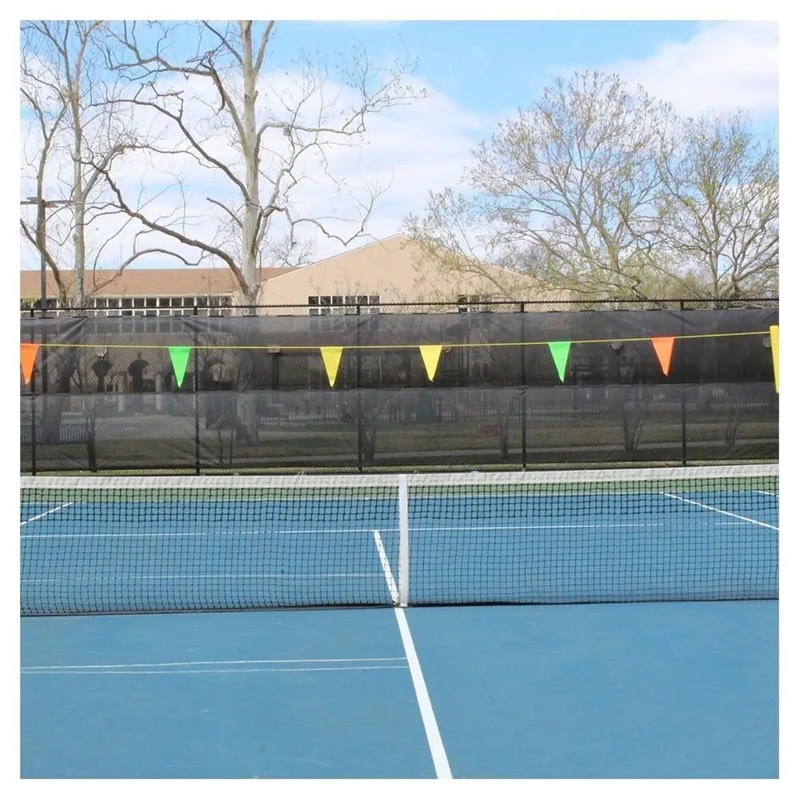
Oncourt Offcourt Airzone System
Two telescopic poles, a bungee and a suspended net that creates an air target above the net. It was built to make tennis players hit with more arc, and that adaptation suits padel almost perfectly, because the lob is the most undertrained shot in the amateur game. Set the gate at head height above the net and you have a pass-or-fail test for whether your lob actually clears a net player. One practical note: a padel court is fully enclosed, so the poles stand just inside the side glass rather than outside the net posts as on a tennis court.
Use: Lob height, bandeja arc | Setup: Tool-free, telescopic | Level: Intermediate | Price: $179.95 | Shop at Tennis Express
Cheaper in the same category: Oncourt Offcourt Pop-Up Targets at $79.95 for a pair of 20-inch hoops that velcro to a net or fence, Gamma Disc Cones at $14.99 for five, and Voon's 15-inch circular Target board at $199.
Wall play: what actually transfers at home
Nothing on the consumer market reproduces a padel back wall. That is a physics problem, not a market gap — the point of the glass is a true, fast rebound off a rigid three-metre surface, and no folding frame does that. Your two real options are a flipped rebounder for the high feed, or an actual wall: a blank garage or handball wall gives a truer, faster bounce than any net-based product, and it is free. What it will not teach is the timing of turning and tracking, which is the hard part — for that, read our guide to using the glass walls in padel and then book a court.
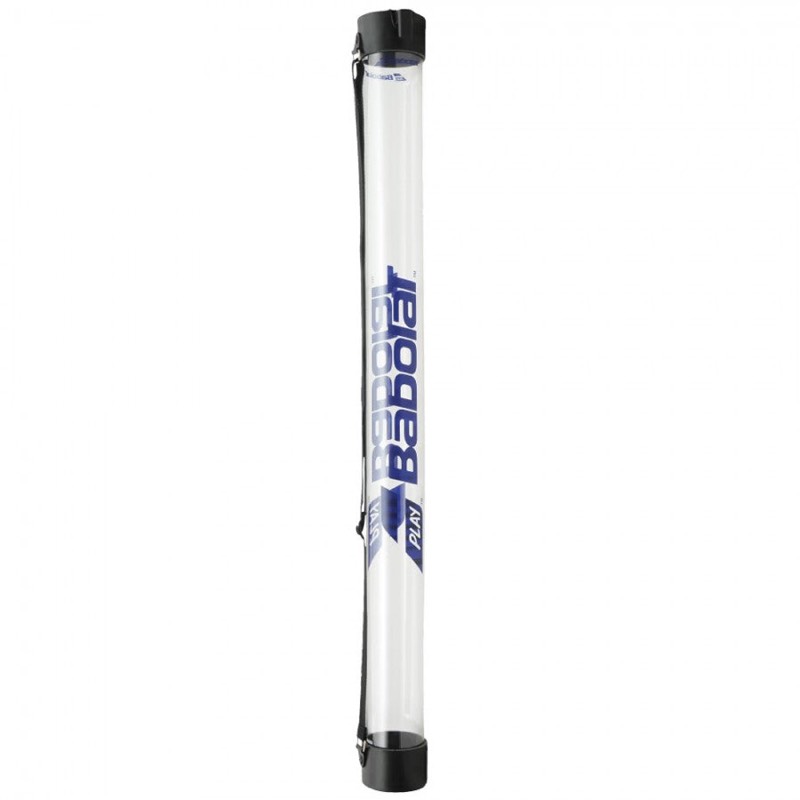
Babolat Padel Ball Tube
Unglamorous, and the best purchase here per dollar of training actually gained. A clear Babolat tube that collects 14 balls without bending down. Anyone who has done a solo session knows the real limit is not your legs — picking 30 balls off the floor four times an hour turns 60 minutes into 40 minutes of hitting.
Use: Solo sessions, coaching baskets | Capacity: 14 balls | Level: All | Price: $39.99 | Shop at Racket Central
Strength and movement aids that transfer
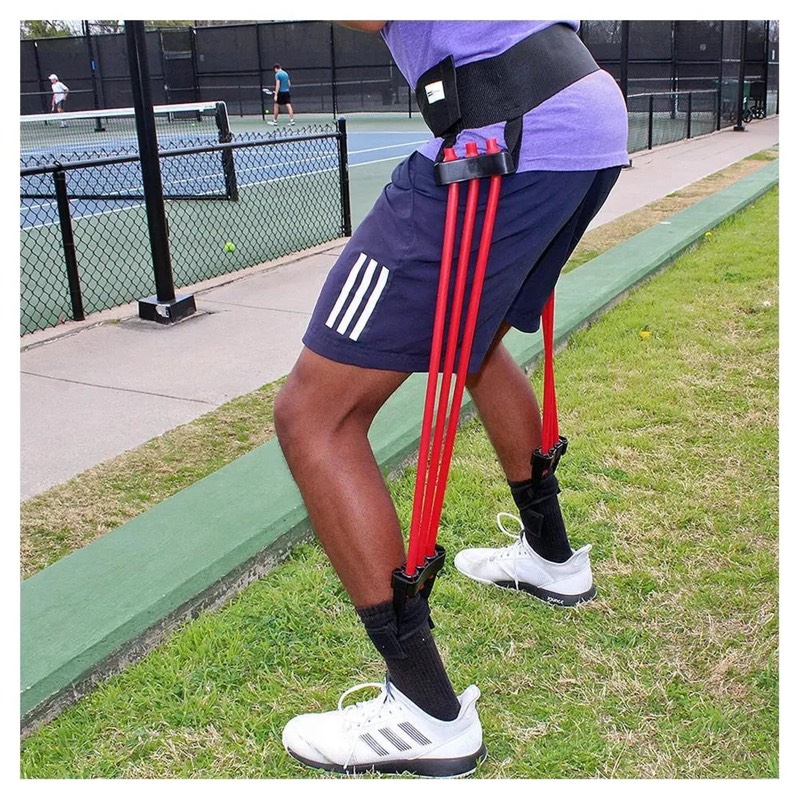
Oncourt Offcourt Flex Trainer
A worn harness with three resistance levels that gently pulls you into a lower stance with knees bent. Of everything here, it targets the most padel-specific fault: amateurs stand too tall, which kills the low volley and the wall exit before the shot starts. Ten minutes wearing this during a drill does more for playing height than a season of being told to bend your knees.
Use: Playing height, movement efficiency | Resistance: 3 levels | Level: All | Price: $109.95 | Shop at Tennis Express
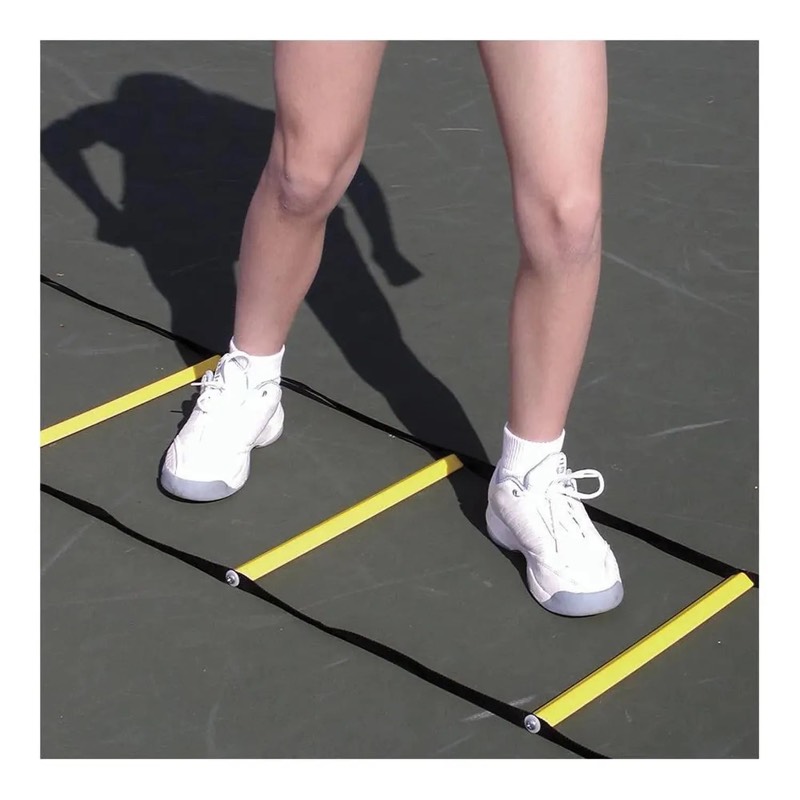
Oncourt Offcourt SportLadder 30 Feet
Thirty feet of two-part ladder with flat-bottomed rings that do not slide, spaced 18 inches apart. Padel footwork is short, lateral and constant — you almost never sprint more than four metres — so ladder work maps onto the sport far better than distance running. Pair it with our off-court conditioning guide, and add Pro-Tec Resistance Bands ($14.95, three colour-coded levels with a carry bag) for shoulder and wrist prep.
Use: Lateral footwork, quickness | Length: 30 ft | Level: All | Price: $89.95 | Shop at Tennis Express
What to skip
Ball machines, here. Not because they are bad — they are the best solo tool in the sport — but because they are a different budget conversation, covered in our ball machine guide.
Throw-down court lines. Sized to mark out a tennis or pickleball court. A padel court is 20m × 10m and permanently marked; there is nothing to lay down.
Oversized or weighted training racquets. These make sense in tennis, where the swing is long enough for extra mass to teach something. Padel's swing is short and wrist-driven, so adding 80g teaches a stroke you will never play. Get the right padel balls instead — ball pressure changes your practice far more.
Ball-on-a-string trainers. The tether changes the flight path, which is the one thing padel asks you to read.
Three budget builds
Under $75 — the starter kit. Kytec Super Reaction Ball ($9.95), Siux 48x Cones ($39.99) and Pro-Tec Resistance Bands ($14.95) comes to $64.89. Targets, reflexes and warmup covered, no rebounder.
Under $200 — the solo player. Add the Babolat Ball Tube ($39.99), step up to the Wilson Reaction Ball Large ($19.95) and add the SportLadder ($89.95): $189.88, and every solo booking gets roughly a third more productive.
Club-grade — around $800. The Voon Smart Rebounder ($529, cheaper than rebounder plus Dot separately), the Airzone System ($179.95) and the Flex Trainer ($109.95) land at $818.90 and cover repetition, placement and movement.
These are a multiplier on court time, not a replacement for it. Find somewhere to use them in our US club directory, and for the wider picture start with how to get better at padel.
Prices and stock verified against each retailer's own product data on 24 September 2026, and subject to change.
Frequently Asked Questions
Continue Reading
How Much Does a Padel Racket Cost in the US? 2026 Prices
How Much Does a Padel Racket Cost in the US? 2026 Prices
Search results give you padel racket prices in euros. We checked the American shelf instead: 361 in-stock rackets across three US retailers. The median costs $250-$265, a third of inventory is $300-plus, and the cheap end is thinner than the listings suggest.
When to Replace Padel Shoes: Wear Signs & Real Lifespan
When to Replace Padel Shoes: Wear Signs & Real Lifespan
Padel shoes wear out on playing hours, not calendar months, and the 60-100 hour figure everyone quotes is a planning tool rather than a verdict. Here are the five wear signs that actually decide it, why the indoor-heavy US court mix changes the math, and what to buy next at verified 2026 US prices.
Can You Wear Tennis Shoes for Padel? A 2026 US Guide
Can You Wear Tennis Shoes for Padel? A 2026 US Guide
Tennis shoes will get you on a padel court, and most US clubs are fine with it. But the useful question is which tennis shoes: clay-court models are close to the real thing, hard-court models slide when you need to stop, and running shoes are an ankle injury waiting to happen.