
How to Open a Padel Club in the US: Costs & Roadmap
How to Open a Padel Club in the US: Costs & Roadmap
Startup budgets, revenue streams, and expansion lessons drawn from the 360+ US clubs in the Padel Browser directory
Opening a padel club in the United States has moved from a pioneer''s bet to a maturing business with a visible playbook. The Padel Browser directory now tracks more than 360 active clubs nationwide, new facilities open every month, and the leading operators are on their fourth, fifth, and sixth locations. This guide covers the full business — what it costs, how clubs make money, and what the fastest-growing US operators can teach you before you sign a lease.
The Business Case
US padel growth is still supply-constrained: in most American metros, player demand outpaces available court time, which means a well-run club can fill its calendar faster than almost any other racquet-sport business. That gap is pulling in four kinds of founders — tennis and fitness entrepreneurs adding a growth sport, real-estate developers activating warehouse space, hospitality groups building premium social-sport venues, and multi-location chains executing a repeatable formula. Even country clubs are converting tennis courts to padel to keep members on property.
The window matters. First movers in a metro get the best real estate, the scarce coaching talent, and the community — advantages that compound before competitor number two breaks ground.
Startup Costs at a Glance
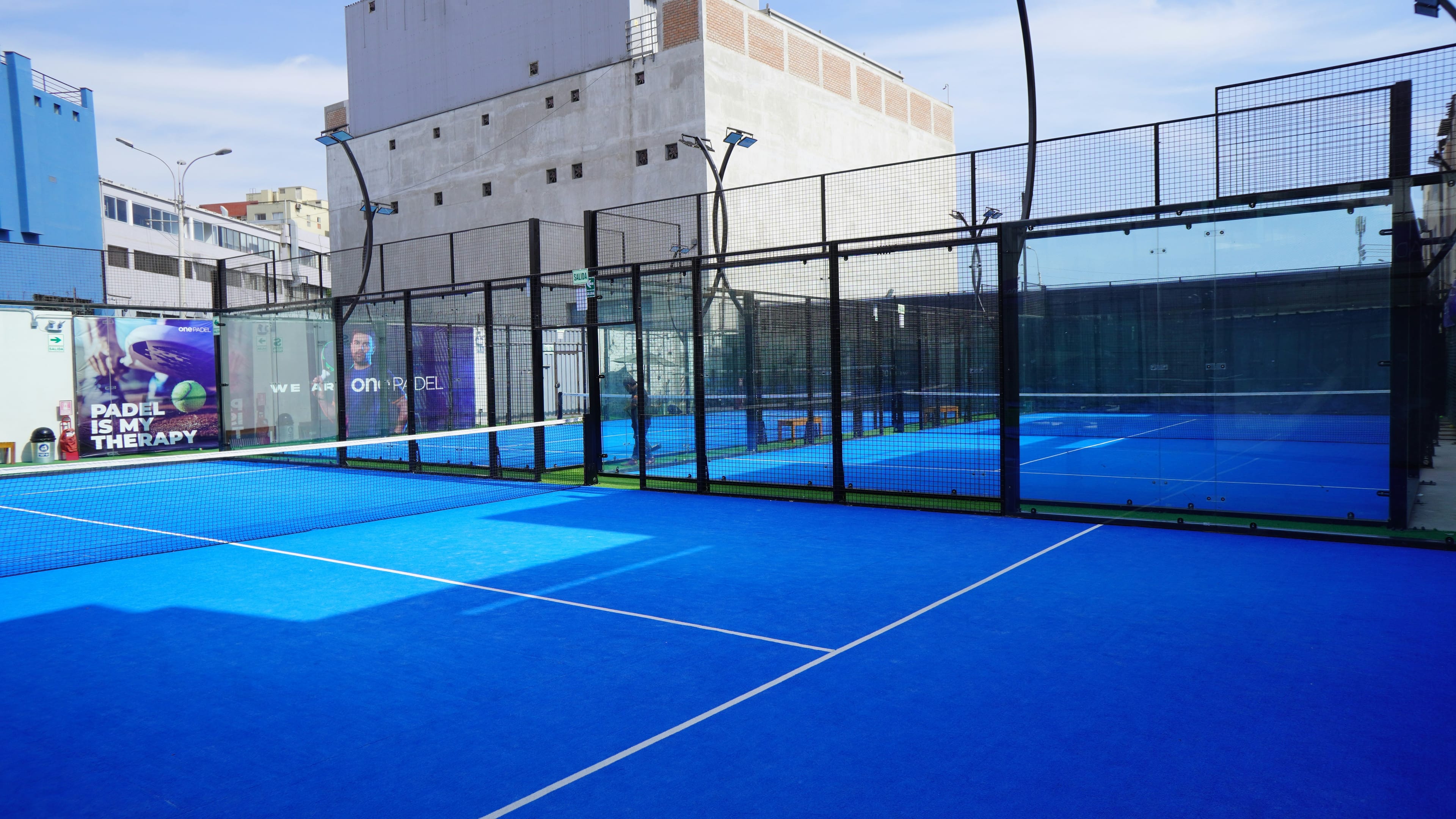
Published industry models converge on a total budget of $500,000 to $2 million+, and the spread comes down mostly to one decision: outdoor or indoor.
| Outdoor club (4 courts) | Indoor club (5–8 courts) | |
|---|---|---|
| Courts | $160K–$280K | $500K–$1M+ |
| Site work & buildout | $100K–$300K | $300K–$700K |
| Equipment, IT, permits, launch marketing | $50K–$100K | $100K–$250K |
| Typical total | $500K–$1.5M | $2M+ |
Courts: 40–60% of the Budget
A panoramic outdoor court runs $40,000–$70,000 installed — foundation, glass, turf, and lighting included. Indoor courts push $100,000+ each once structural steel, HVAC, and higher-spec lighting enter the picture. Building several courts at once cuts the per-court cost by 15–30%, which is one reason almost no successful US club opens with fewer than three. For the line-by-line construction breakdown, see our guide to padel court construction costs — this article covers the business around the courts.
Real Estate: The Ceiling Is the Deal-Breaker
Outdoor clubs live or die on land economics and weather. Indoor clubs live or die on one number in the lease: clear ceiling height. Padel''s lob-heavy rallies need at least 26 feet of unobstructed height over the playing area, and the successful indoor clubs in our directory run higher: Kraken Padel Club in Texas has 35-foot ceilings, Net Racquet Club and Dallas Padel Club both clear 30 feet, and Padel39 Dallas sits at 28. Warehouse conversions are the default play for indoor operators — but verify column spacing (a 66-by-33-foot court can''t have a pillar in it), floor levelness, and HVAC capacity before committing.
Buildout & Operations: The Forgotten $50K–$100K
Beyond courts and walls, budget $50,000–$100,000 for everything that turns a building into a club: reception and lounge, pro-shop inventory, cameras and access control, booking software and IT, permits and insurance, and a real launch-marketing spend. Clubs that skimp here open to empty calendars.
The Revenue Model
Court rental is the foundation, but it is rarely the whole business. The healthiest US clubs stack five streams:
- Court rentals — the base layer. Prime evening and weekend slots sell themselves; the business is won or lost on weekday daytime utilization.
- Memberships — recurring revenue that smooths seasonality. As a real benchmark, Padel Square in the Dallas metro launched pre-opening membership tiers from $80 to $235 per month.
- Lessons and clinics — the highest margin per court-hour, and the engine that converts curious first-timers into regulars.
- Leagues and social events — they fill off-peak hours and build the community that drives retention.
- Retail and food & beverage — rackets, balls, shoes, and a café or bar that keeps players on site between matches.
For the demand side — what American players actually pay per session — see how much padel costs in the US.
Booking & Operations Stack
Three platforms run nearly every commercial padel club in America. Among clubs in the Padel Browser directory with a confirmed booking platform, PlayByPoint runs 88 clubs, Playtomic runs 77, and CourtReserve runs 8.
They represent different bets. Playtomic doubles as a consumer app with matchmaking and open matches, so it can bring players to you — especially valuable in your first year. PlayByPoint goes deeper on facility management, memberships, and lesson programs, which is why membership-led clubs favor it. CourtReserve comes out of the tennis and pickleball world and fits multi-sport facilities. Choose before you open: migrating members and booking history later is painful, and the choice shapes everything from dynamic pricing to how new players discover you.
Lessons from US Operators
The expansion patterns in our directory are the closest thing US padel has to a proven playbook.
Padel Haus — density and brand. Six indoor clubs: three in Brooklyn, plus Nashville, Atlanta, and Denver. The lesson: a premium, wellness-positioned indoor concept can be replicated metro by metro, and clustering locations builds a brand that players seek out when they travel.
Reserve Padel — hospitality-grade premium. Three locations around Miami, including the 10-court Sole Mia flagship. Reserve proves the top of the market exists: white-glove service and a scene worth dressing for support premium pricing in wealthy urban markets.
Conquer Padel — secondary-market indoor. Five-to-seven-court indoor clubs in Tempe, Lehi, Jacksonville, and Orlando — markets with cheaper industrial real estate and thin competition. You don''t need Manhattan rents to build a padel business.
Taktika Padel — asset-light partnerships. Seven outdoor locations across California, several inside venues that already have traffic: a resort court at the Fairmont Grand Del Mar, courts at Dignity Health Sports Park in Carson. Partnering with landowners cuts capex and de-risks new markets.
The common thread: nobody builds one club and stops. Multi-location ambitions are baked in from the first raise, because the real asset isn''t the glass and turf — it''s the operating playbook.
Common Mistakes to Avoid
- Signing an indoor lease before verifying clear height. Low-hanging ducts, sprinkler lines, or tight column spacing can kill a conversion after you''ve committed. Measure the clear height, not the roof height.
- Opening with two courts. You can''t run proper leagues, your revenue ceiling is capped, and you forfeit the 15–30% multi-court construction savings. Four is the practical floor; industry models put comfortable breakeven near six.
- Treating it as a rental business. Empty weekday mornings sink clubs. Academies, leagues, corporate events, and socials are what push utilization toward the 60–70% that mature clubs target.
- Hiring coaches late. Qualified padel coaches are scarce in the US. Recruit before you open — lessons are your highest-margin revenue and your best conversion funnel.
- Choosing booking software as an afterthought. It is your storefront, your CRM, and your pricing engine. Pick deliberately.
- Underpricing at launch. Discounts fill courts but anchor expectations. Competitive intel is free: check what nearby clubs charge on their booking pages before setting rates.
Where to Start
Study your market before you spend a dollar: browse the directory to see every active club in your metro, what platforms they run on, and how they position themselves. The gaps you find — an underserved suburb, no indoor option, no club with real programming — are your business plan. And when you open, get listed so the fastest-growing padel audience in the US can find you.
Frequently Asked Questions
Continue Reading
Padel Nutrition and Hydration: What to Eat and Drink
Padel Nutrition and Hydration: What to Eat and Drink
Padel is longer rallies with half the rest of tennis — and often three hours of social play, not one. Here's how to eat and drink around it: pre-match meals, how much to drink per hour, when you need electrolytes, grazing through an Americano, and what to do about the post-match beer.
The Mental Game of Padel: Focus, Pressure & Partners
The Mental Game of Padel: Focus, Pressure & Partners
In padel you can't have a bad attitude privately — your partner is ten feet away and your mood is one of their playing conditions. Here's what to say after an error, how to handle the golden point and being targeted, and how to stay switched on for a full session.
How to Find a Padel Partner in the US: A 2026 Guide
How to Find a Padel Partner in the US: A 2026 Guide
Padel takes four people, and that is the real reason most Americans quit after one session. This guide covers the five routes that actually work — open play, booking-app matching, WhatsApp groups, clinics and leagues — using booking-platform data from all 361 active US clubs in our directory.