
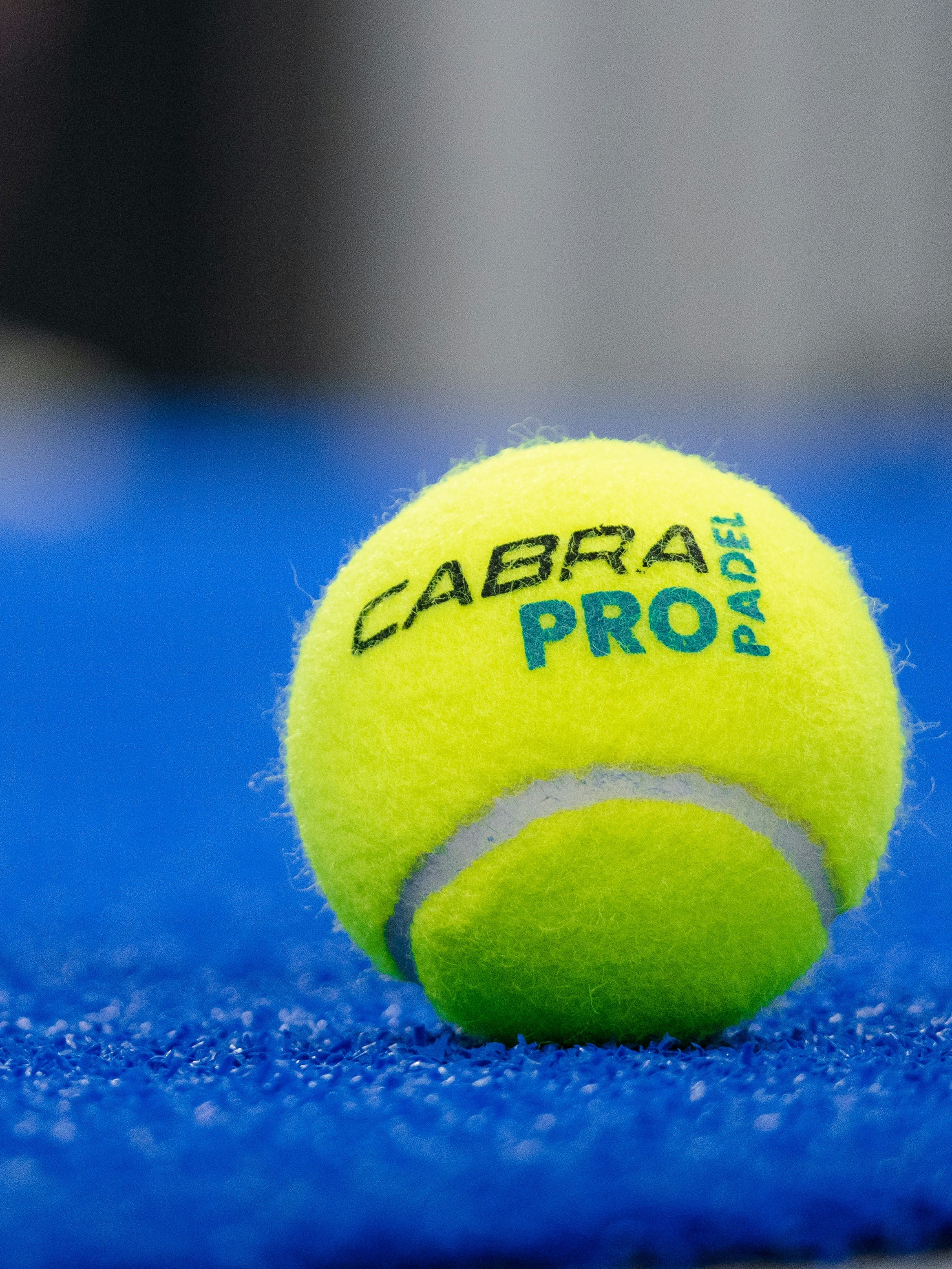
How to Defend the Smash in Padel: Surviving the Por Tres

How to Defend the Smash in Padel: Surviving the Por Tres
Reading the overhead, picking your response, and chasing the por tres
Almost everyone learns to hit an overhead before they learn to survive one. That is why so much club padel settles into the same shape: one team gets to the net and starts raining bandejas and víboras, and the other spends twenty minutes flailing at chest-high balls off the glass.
Smash defense is also the most learnable part of the game. It is almost entirely decision-making — reading which overhead is coming, standing in the right place, picking one of four responses — and almost none of it requires you to hit hard.
Smash Defense Starts Before the Smash
Most points that end in a smash were lost one shot earlier, at the lob.
A short lob is an invitation. If your lob lands near the service line, your opponent takes it early, in front of their head, weight moving forward — and there is no good defense against what comes next. Three meters deeper and they have to take it behind their shoulder while moving backwards, which leaves them nothing but a bandeja. Lob depth is a defensive skill.
Once the ball is up, you get about a second to read what is coming:
- Feet moving backwards, contact behind the head — they cannot generate pace. Expect a bandeja.
- Shoulders side-on, racket travelling edge-first, contact out to the side — that is a víbora.
- Feet planted under the ball, contact in front, chest square to you — flat smash or por tres.
A second is not enough to hit a great shot. It is enough to be standing in the right place, which is most of the job.
Know What Is Being Hit at You
Generic advice — "stay low, use the glass" — fails because padel's four overheads arrive completely differently.
Bandeja: You Have Time, and They Are Holding the Net
The bandeja is a sliced, controlled overhead. It is not trying to win the point; it is trying to keep your opponents at the net and you pinned in the back. It arrives slower than it looks, with slice that makes it skid low and die near the glass.
So do not block it. This is the one overhead you should answer with your own lob — you have time to hit a good one, and a deep lob is the only thing that dislodges them. The slice also flattens the bounce, so the ball comes off the back glass short: step forward into the rebound rather than waiting flat-footed at the wall.
Víbora: Expect the Ball to Break Away From You
The víbora is the bandeja's aggressive cousin — more sidespin, more pace, usually angled cross-court into the side glass. It kicks sideways off the bounce and again off the glass, so the ball ends up where your feet are not.
Give yourself an extra step of width toward where the ball will break, not where it lands. A víbora into the side glass tends to rebound along the wall rather than out into the court — stand square and it slides past your hip; turn toward the corner and you can still reach it.
Flat Smash: Block It, Do Not Swing at It
The flat smash is the genuinely fast one. Take a backswing and the ball is past you before your swing finishes.
Reduce grip pressure, get the racket out in front of your body, take no backswing at all. You are not hitting, you are absorbing pace and redirecting it. Any block that lands deep and low is a win: the point is alive and they have to hit another one.
Por Tres and Rulo: The Ones Designed to Send You Outside
The por tres is a smash driven down hard enough that the ball rebounds off the back glass and flies out over the side enclosure. The name comes from the height it clears: under the FIP court spec, the side enclosure is three meters high across the middle six meters, rising to four at the corners. A ball escaping over that low middle section goes out "por tres" — the rarer one clearing the four-meter section goes "por cuatro."
The rulo is the topspin variant: instead of driving through the back glass it kicks the ball steeply upward and out over the side, usually buying you a fraction more time. Against either, the decision is made at their contact point — wait to see where the rebound goes and the ball is outside while you are still in.
Positioning: Where to Stand and Why
Stand a step off the glass, not against it. Backing into the back wall is the most common defensive error in club padel: flat against the glass you have no room to swing at a rebound, and anything that skids low dies behind your feet. A meter of clearance lets you move backwards into the ball instead of being trapped by it — our back wall guide covers the footwork.
Set your depth by the incoming pace. Hold near the service line against a bandeja; drop back against a flat smash or por tres, so the ball loses speed before it reaches you and the rebound stays in front of you.
Split the court; do not mirror your partner. Two defenders at identical depth leave the middle open and both reach for the same ball. Whoever the smash is aimed at commits; the partner shades middle and slightly forward for the short block. Our court coverage guide has the spacing model.
The Four Defensive Responses
The block to the feet. Aim at the net player's shoelaces, not at open court — a ball that low cannot be volleyed downward, which is how you reset a point you were losing.
The high defensive lob. With time and balance, this is the strongest shot in defense: height buys recovery seconds, depth pushes them off the net, and one good lob flips you from defending to attacking. If you improve one thing, improve this.
Playing the ball off the back glass. Let it pass you, track it side-on, hit the rebound as it drops. The cheapest defense available and the one beginners avoid — if the glass still feels like an obstacle rather than a tool, fix that first.
Going out the side door. Against a por tres, move at their contact, run through the door, and play the ball back from outside. The most spectacular shot in padel — and the one with the most rules attached.
What the Rulebook Actually Says About Leaving the Court
"You can run out the door and play it" is only half true.
The International Padel Federation rulebook makes out-of-court play conditional. Rule 16 reads: "The players are authorized to leave the court to play the ball whenever the court fulfills the conditions established in the section pertaining to “The Court”, safety area and out-of-court play."
Those conditions are specific: two access points per side, and no obstacles outside the court within an area at least 3 meters wide (4 recommended), 4 meters long and 3 meters high. The rulebook also states flatly that if light poles fall inside that safety area, "the out of court game will not be allowed."
That caveat matters more here than in Spain, because so many American courts are indoor builds fitted into converted warehouse and retail space, where a wall or light stanchion often sits close to the side door. Plenty of US courts do not qualify — check yours before planning your defense around it, starting with our club directory.
Two more details worth carrying onto the court:
- The back is not the same as the side. Even where out-of-court play is authorized, a ball leaving over the end wall ends the point immediately. One leaving over the sidewall or through the door stays live: the point is lost only "when the ball bounces for a second time or touches any element not related to the court." That asymmetry is why you chase a por tres and let a ball over the back wall go.
- The door post is neutral ground. Above 0.92 meters, the dividing vertical post in the doorway "is considered a neutral zone for any of the four players, they may touch or hold on to it." Grabbing it to swing yourself through the gap is legal.
One last thing that says something real about the sport: bandeja, víbora, por tres, rulo and even smash appear nowhere in the FIP rulebook. They are player vocabulary, not rules terms — the rules only care where the ball finishes.
Partner Coordination Under Fire
Smashes are aimed at the seam between two defenders far more often than at either player, because the seam is where hesitation lives.
Decide before the point who owns the middle. The simplest workable convention: whoever takes it on their forehand calls it out loud, one word, before the bounce. Silence gets you two rackets at the same ball, or neither. If you already use hand signals at the net, extend the habit to defense.
Then move as a unit. When your partner is pulled wide chasing a víbora into the corner, slide with them and cover the middle. Two defenders 6 meters apart are not defending — they are taking turns.
Drills to Practice Smash Defense
- Feed-and-block. Partner smashes at controlled pace; you block deep and low, ten in a row, no swinging allowed. The point is to prove to yourself that soft hands work.
- Glass rebound tracking. Partner smashes into your back glass while you let every ball pass and play only the rebound. Uncomfortable at first, transformative within a few sessions.
- Lob under pressure. Partner hits bandejas; your only legal reply is a lob landing behind the service line. Short lobs are lost reps.
- Door sprints. Only where out-of-court play is allowed: partner feeds a por tres, you move at their contact. You will miss most of them — the aim is the trigger, not the return.
Two sessions of this will do more for your results than another month spent on your smash. More routines in our padel drills guide.
The Mindset: You Do Not Beat Smashers by Hitting Harder
The instinct when someone is smashing at you is to hit your way out — a hard counter, a winner down the line, something that makes it stop. It rarely works, because you are hitting from a worse position than they are.
What beats a smashing team is patience. Block, lob, use the glass, make them hit one more overhead than they wanted to. Smashing is physically expensive, and every extra rep costs accuracy. Most club-level attacking teams break down after four or five consecutive overheads — not because you did anything spectacular, but because you refused to lose quickly.
Defense in padel is not a phase you endure before the real point starts. It is the point. For how the shots fit together, our complete guide to padel shots is the place to go next.
Frequently Asked Questions
Continue Reading
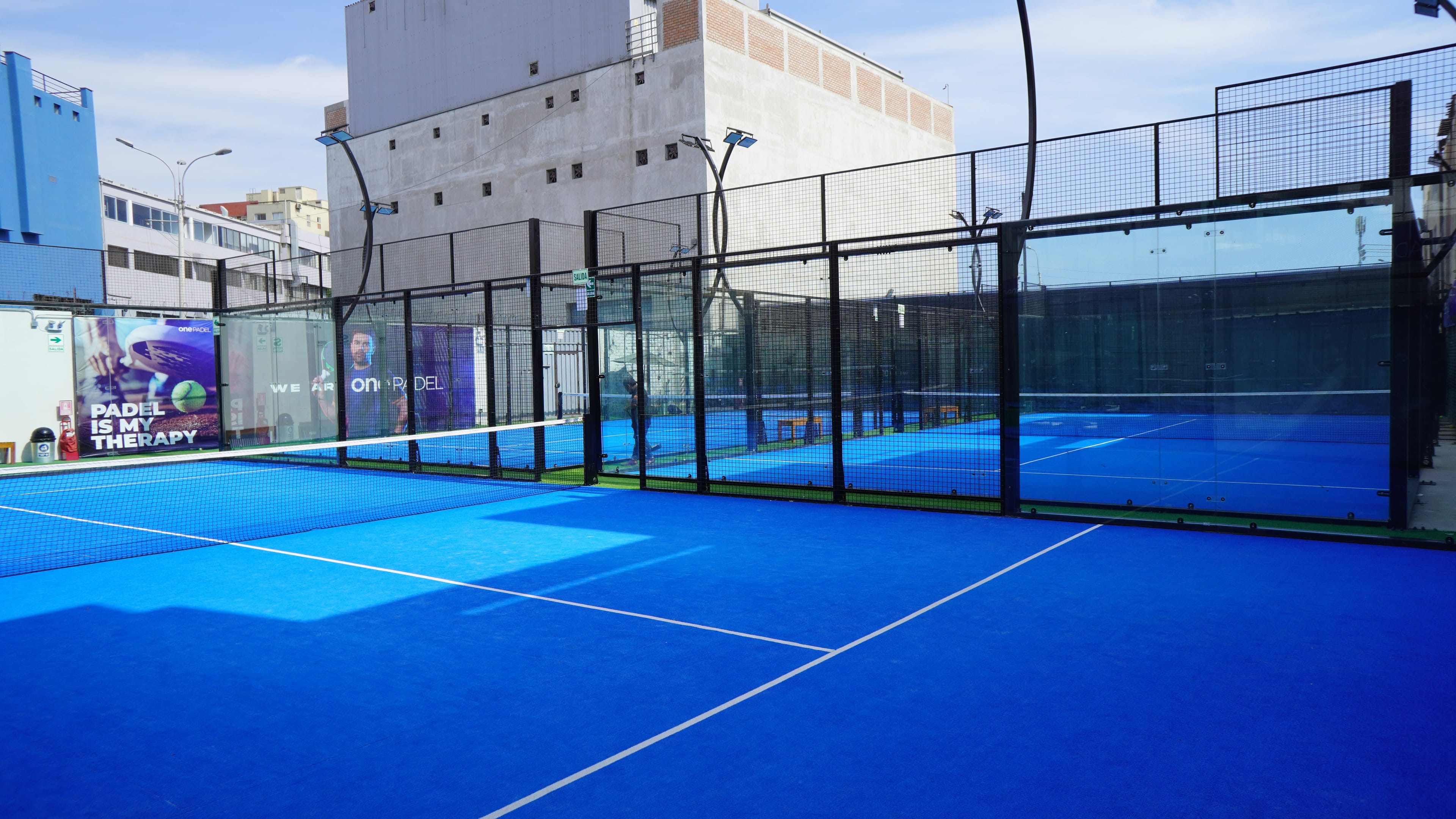
Padel Line Calls: How to Settle Disputes Without a Ref
Padel Line Calls: How to Settle Disputes Without a Ref
Club padel has no umpire — and the FIP rulebook never explains what to do without one. Here is the actual decision procedure: who makes each call, why every genuine line call in padel is a serve call, and what to do about the point nobody agrees on.
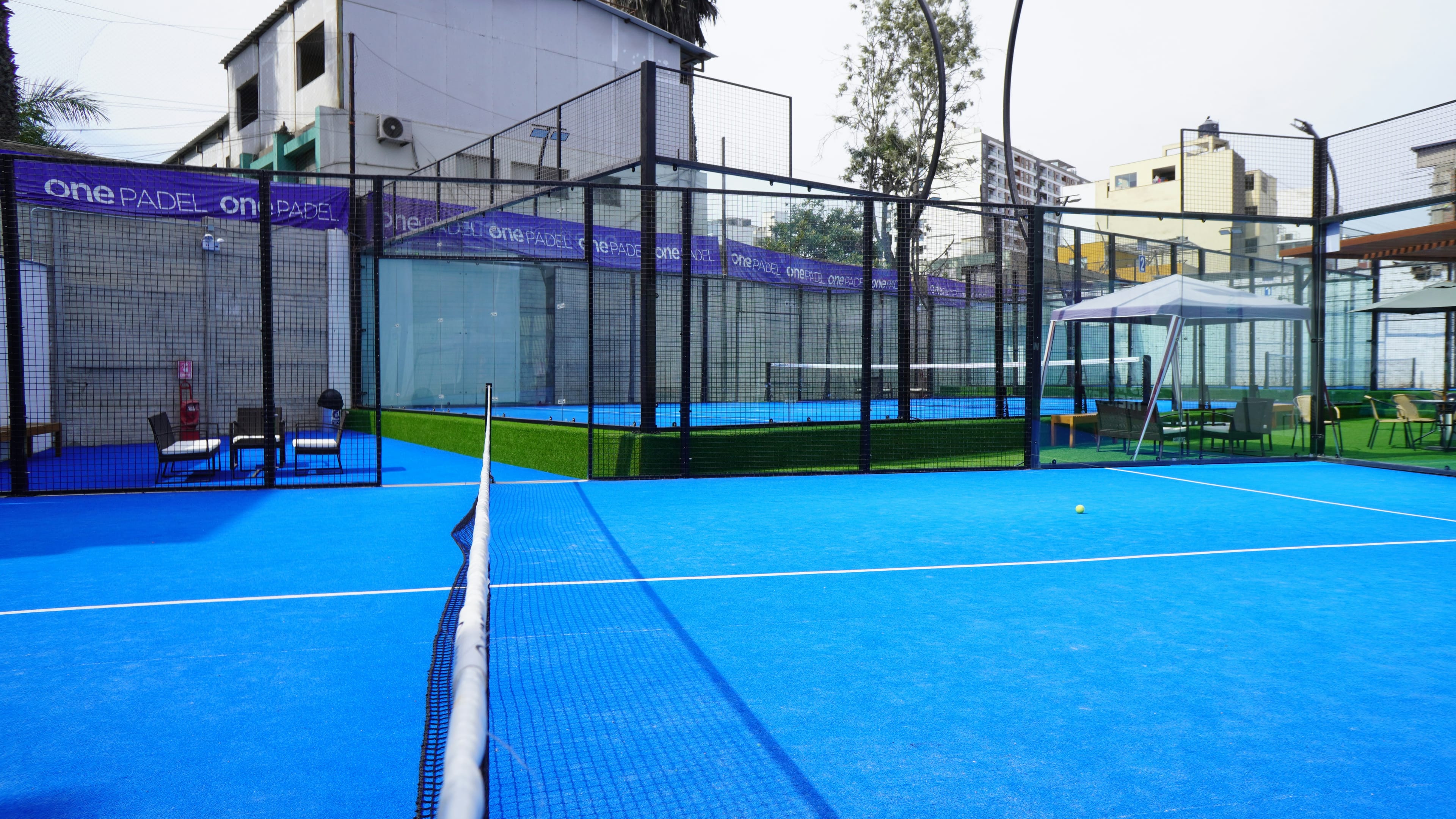
Golden Point vs Advantage: Padel's 40-40 Rule Explained
Golden Point vs Advantage: Padel's 40-40 Rule Explained
Padel has three ways to settle a game at 40-40, not two: advantage, golden point, and the Star Point that the FIP made the professional standard for 2026. Here is how each one works, who uses it, and how the deciding point changes the way you should play it.
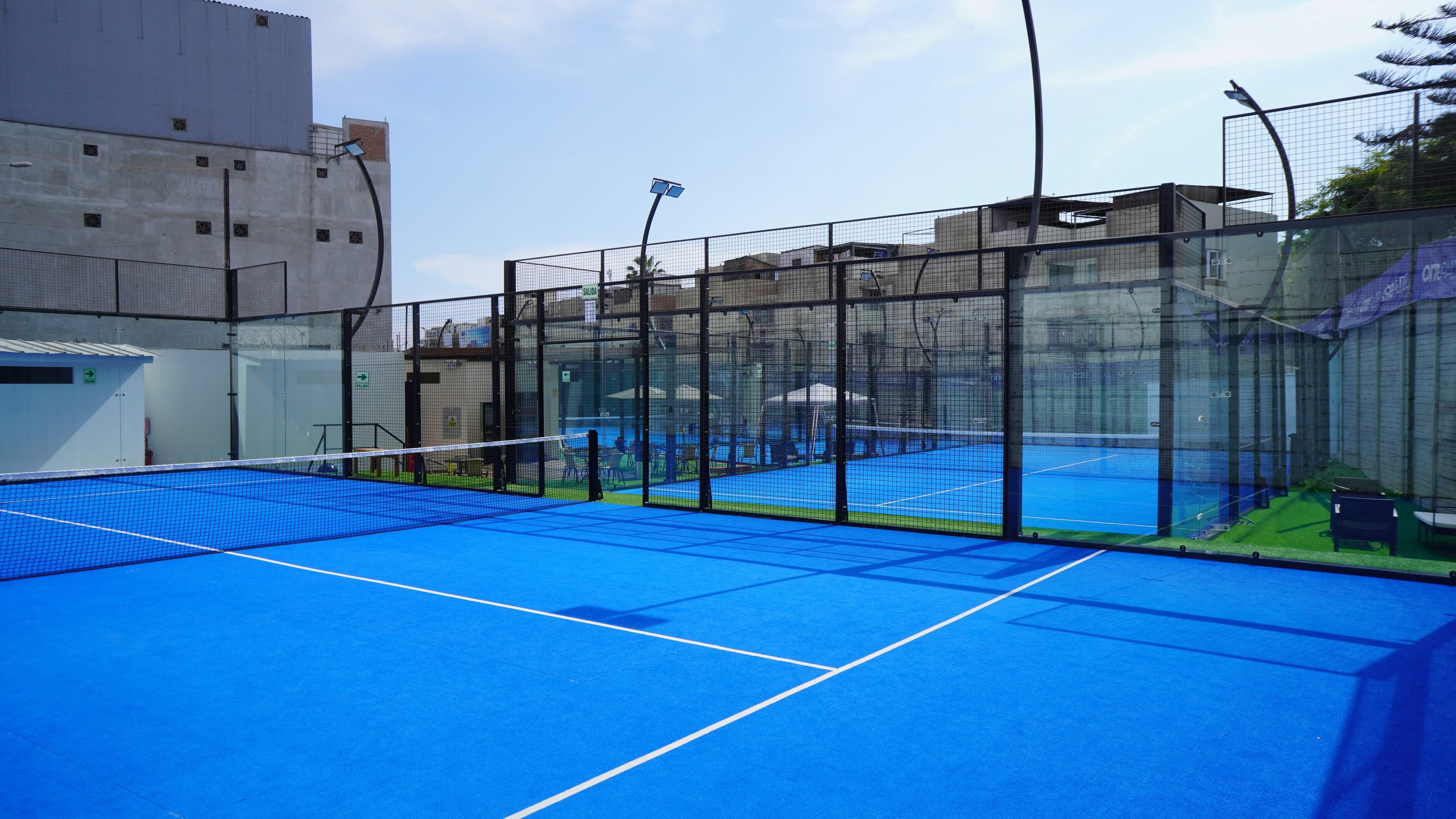
Can You Play Padel in the Rain? Wet Court Safety Rules
Can You Play Padel in the Rain? Wet Court Safety Rules
Rain changes the traction, the ball and the back-wall rebound — and traction is the one that can actually hurt you. Here are the three stop rules, how to adjust if you play through a drizzle, and which US metros have an indoor backup when the sky opens. Spoiler: the rainiest ones do not.