


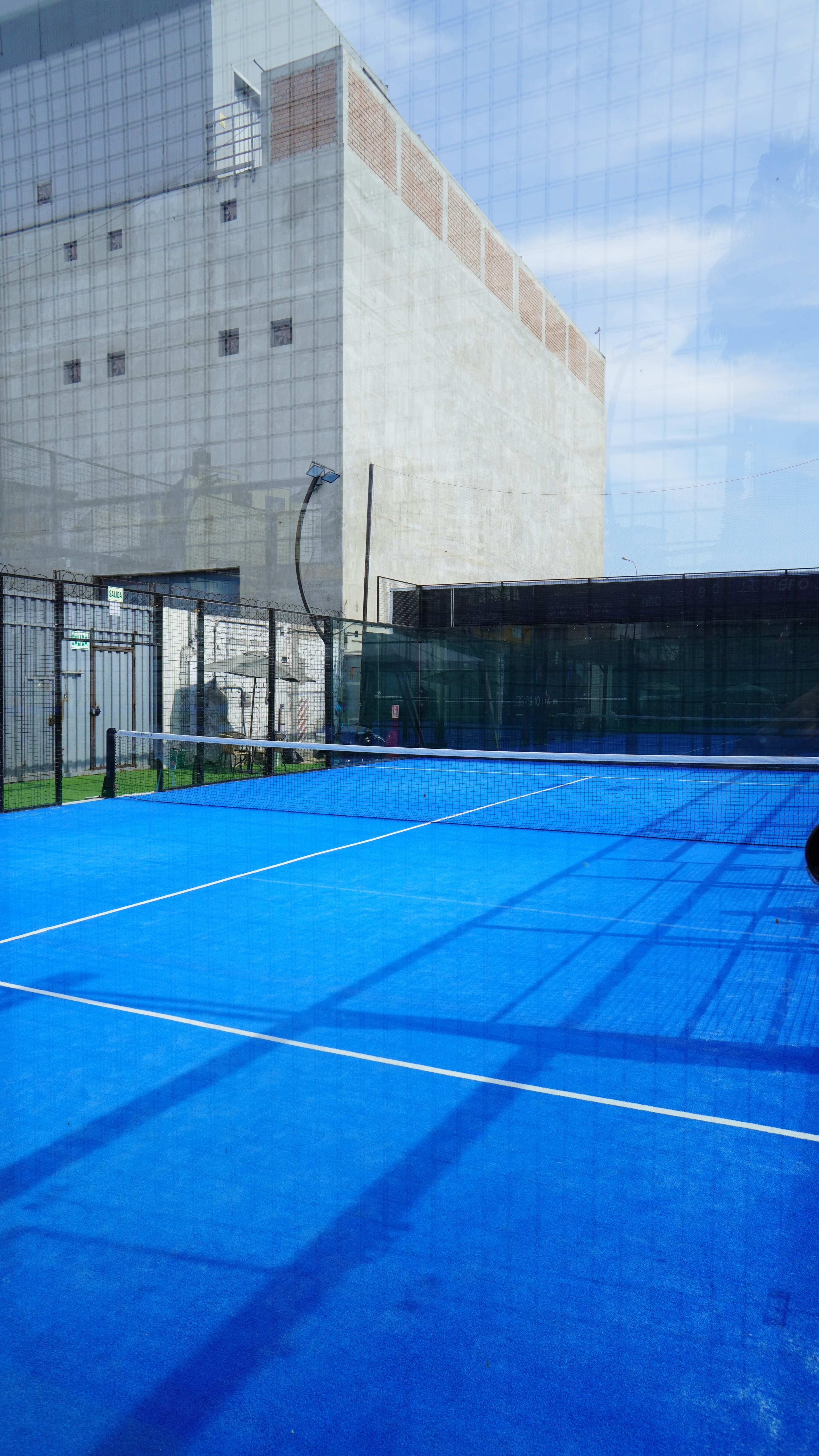
Best Padel Rackets for Seniors 2026: Arm-Friendly Picks

Best Padel Rackets for Seniors 2026: Arm-Friendly Picks
Six light, soft-core rackets that protect your elbow and shoulder - with US prices and stock verified in July 2026
Padel has a reputation as the most forgiving racket sport for older athletes, and it is mostly deserved: the serve is underhand, the court is enclosed, and doubles play means nobody has to cover the whole court alone. The racket in your hand is what decides whether that forgiveness reaches your elbow and shoulder. After 50, tendons recover more slowly, grip strength drops, and every off-center hit lands a little harder — so racket specs that barely matter to a 25-year-old become the whole game.
This guide breaks down what to look for in a senior-friendly racket, six picks you can buy in the US right now — prices and stock checked directly at Racket Central in July 2026 — and the low-cost accessories that make any racket gentler on your arm. If you are new to the sport entirely, start with our guide to choosing a padel racket, then come back for the senior-specific details.
What Senior Players Should Look For in a Racket
Three specs do most of the work: weight, core softness, and shape. Get those three right and everything else — brand, cosmetics, which pro is on the cover — is preference.
Weight: Stay at the Light End (340–365g)
Adult padel rackets run from about 340g to 385g. Senior players should stay at the light end of that range: 350–365g for most people, and the dedicated lightweight models at around 340g if you have any history of elbow or shoulder trouble. A lighter frame swings faster with less shoulder effort, keeps your hand speed up at the net, and — most importantly — reduces the cumulative load on your arm over a two-hour session.
One caution: don't chase the absolute minimum. Very light frames with cheap construction can twist on off-center hits, and that torsion goes straight into your forearm. The target is a light racket with a stable frame — which is exactly what the "Light" and "Lite" models from the major brands are built to be. Our lightweight rackets roundup digs deeper into that trade-off.
Soft Cores and Vibration Dampening
Every ball strike sends a shockwave from the racket face, down the frame, through your wrist, and into your elbow. The core material decides how much of it arrives. Soft EVA and foam cores compress on impact and absorb a large share of that vibration; hard EVA and stiff multi-layer carbon faces pass it along.
On a spec sheet, the words you want are "Soft EVA," "Soft Performance EVA," "Control Foam," or "foam core," ideally paired with a fiberglass face, which flexes more than carbon and adds another layer of cushioning. Some rackets add dedicated anti-vibration construction on top. The trade-off is a little less explosive power off the face — but at the pace most senior matches are played, placement wins far more points than pace, and your tendons will thank you. If you already have a cranky elbow, our tennis elbow racket guide is written specifically for you.
Round Shape, Low Balance, Big Sweet Spot
Shape determines where the sweet spot sits. Round rackets put it dead center, which makes clean contact easier and mishits rarer. Diamond shapes push the mass and sweet spot toward the head for smash power — they are also the hardest on the arm, because head-heavy balance multiplies torque on every swing. Teardrop sits between the two.
For senior players the prescription is simple: round shape, low (head-light) balance, and the biggest sweet spot you can find. Head-light balance means the racket feels lighter in play than on the scale, reacts faster on volleys, and puts the least strain on your wrist and elbow. Our racket shapes explainer covers the geometry in more detail.
Top Picks for 2026
Every racket below is light, soft-cored, forgiving, and in stock in the US as of July 2026. Prices come straight from the retailer's live listings, not stale search snippets.

Head Gravity Team Light
At 340 grams, the Gravity Team Light is the lightest racket HEAD makes in its control-focused Gravity line, and it checks every senior-friendly box: round shape, Control Foam core, and a fiberglass face that delivers easy power without harsh feedback. It is regularly named the best-value lightweight racket on the market, and right now it is discounted from $164.95. If you want one racket to hand a friend getting back into racket sports at 60, this is it.
Weight: 340g | Shape: Round | Level: Beginner–Intermediate Price: $149.95 | Shop at Racket Central

Adidas Match Light 2026
Adidas describes the Match Light's Soft Performance EVA core as "arm-friendly comfort," and for once the marketing copy matches the spec sheet: round mold, head-light balance, lightweight build, fiberglass face. At $90 it is the cheapest racket we are comfortable recommending to an older player — below this price point frames get stiff and twisty, which defeats the purpose.
Shape: Round | Balance: Head-light | Level: Beginner Price: $90 | Shop at Racket Central

Babolat Counter Origin
Babolat built the Counter Origin around an oversized round head that stretches the sweet spot wider than anything else at this price. If your contact point wanders — common when reactions slow a step — this racket punishes you least for it. A fiberglass face and EVA core keep impact soft, and the head-light balance keeps it quick at the net.
Shape: Oversized round | Balance: Head-light | Level: Beginner Price: $120 | Shop at Racket Central

NOX Equation Soft Advanced 2026
NOX tuned this racket specifically for players who want a softer strike, and it is the only pick on this list with dedicated anti-vibration construction built into the frame. The round shape and wide sweet spot keep placement predictable, and the softer core makes depth easy on medium swings — no need to muscle the ball. For an intermediate senior playing three mornings a week, this is the arm-preservation pick. Currently discounted from $159.
Shape: Round | Balance: Head-light | Level: Intermediate Price: $135.15 | Shop at Racket Central

Wilson Optix V2 Lite 2026
The lightest build in Wilson's Optix line pairs easy handling with a large head, so both the swing and the contact are forgiving. Wilson tuned it explicitly for a "comfort-led response" across long sessions — a polite way of saying your shoulder won't notice it is there. The lilac colorway is what's in stock right now; the white version comes and goes.
Shape: Round | Balance: Even | Level: Beginner Price: $139 | Shop at Racket Central

Adidas Cross It Team Light 2026
Playing league matches or senior tournaments? This is the pick that gives up the least performance. The Cross It Team Light keeps the round, arm-friendly layout — Soft Performance EVA, fiberglass face, low-to-even balance — but adds aerodynamic channeling in the heart and a longer handle for extra stability on impact. Reviewers consistently rank it alongside the Gravity Team Light as the smartest light racket at intermediate level and above.
Shape: Round | Balance: Low–Even | Level: Intermediate–Advanced Price: $210 | Shop at Racket Central
Rackets to Avoid
The same logic that picks good senior rackets rules out entire categories:
Head-heavy diamond frames. These are smash machines built for players who finish points overhead ten times a match. The top-heavy balance multiplies torque on every swing and concentrates shock on off-center hits. Most pro-signature rackets — the ones with a touring pro on the cover and a $400+ price tag — fall in this category.
Anything over ~370 grams. Extra static weight compounds over a session. A racket that feels "solid" in the shop feels heavy in the third set.
Stiff carbon faces with hard cores. 12K and 18K carbon layups paired with hard EVA transmit vibration efficiently — the crisp feel advanced players chase is exactly the shock an older elbow needs less of.
Ultra-cheap no-name frames. Below roughly $80, construction quality drops off: unstable frames twist on impact, and the torsion ends up in your forearm. The $90–$150 range is where arm-friendly engineering actually starts.
None of this means an older player "can't handle" a pro racket. It means the trade-offs those rackets make run exactly opposite to what an aging arm needs — and there is no trophy for playing through tendonitis.
Pairing Your Racket: Grips, Overgrips, and Balls That Help
Two cheap accessories do more for arm comfort than most racket upgrades.
Cushioned overgrips. A padded overgrip adds a final layer of shock absorption and slightly builds up the handle, which matters more than most players realize: a too-thin grip forces you to squeeze harder, and grip tension is a direct line to elbow strain. Players with arthritis in their hands often add two. Siux Pro Comfort overgrips run about $9 for a three-pack — replace them every few weeks.
Fresh balls. Dead, low-pressure balls force you to swing harder for the same depth, and that extra effort lands on your shoulder and elbow. Fresh pressurized balls like the Wilson X3 ($6.50 a can) come off the face with less force required. If your group plays with the same can for a month, this is the cheapest upgrade in padel.
The Bottom Line
Pick a racket at 340–365 grams with a soft core, round head, and head-light balance, and you have eliminated most of the equipment-side injury risk in one decision. The Head Gravity Team Light is the default recommendation; the Adidas Match Light covers the budget end, and the Cross It Team Light is for seniors still collecting tournament wins. And if you are just picking up the sport, our beginner racket guide walks through the first-racket decision from scratch.
Frequently Asked Questions
Continue Reading
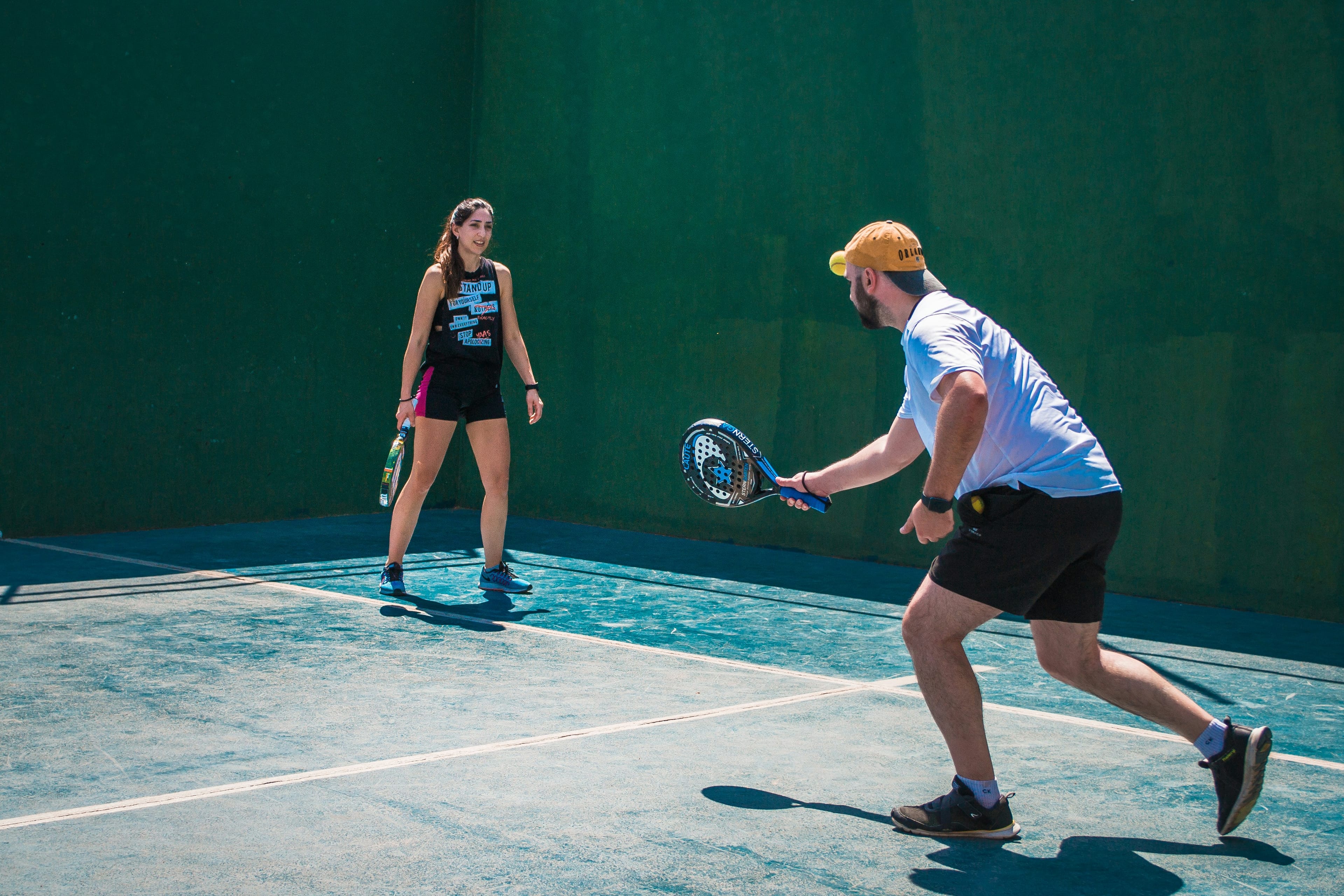
Best Padel Rackets Under $150 in the US: 2026 Picks
Best Padel Rackets Under $150 in the US: 2026 Picks
A $150 ceiling buys more padel racket than you would think: the whole entry band plus last season's mid-range on markdown. We swept all four US padel retailers, pulled every frame's own published specs, and picked seven that are in stock today — from a $79.99 entry frame to a 35%-off Bullpadel that normally costs $225.
How to Spot a Fake Padel Racket: A US Buyer's Guide
How to Spot a Fake Padel Racket: A US Buyer's Guide
Counterfeit padel rackets are real, but a low price alone proves nothing — the US also has a large grey-import trade that isn't fake at all. Here are the five checks that actually work, including the weigh-and-measure test no other guide covers, and what to do if you have already bought one.
GLDN PNT: Miami's Padel Apparel Brand, Now with Reebok
GLDN PNT: Miami's Padel Apparel Brand, Now with Reebok
Miami-born GLDN PNT is the first American padel apparel brand to land a major sportswear collaboration. What the Reebok x GLDN PNT collaboration includes, what it costs, and why a padel-native label matters for US players.