
Cube Padel Crosses State Lines: Chicago and Houston

Cube Padel Crosses State Lines: Chicago and Houston
How a single pure-padel operator built footholds in two of the country's most active padel markets — and where it goes next.
One Brand, Two of America's Biggest Padel Cities
Most US padel brands are single-city operators. A club opens, the founders pour their attention into one location, and that's the company. Cube Padel took a different path — open a flagship in Houston, then plant a second clubhouse 1,100 miles away in Chicago, and run them as one brand.
That puts Cube in a small group. Padel Haus, Reserve Padel, and Padel39 are all stitching together multi-city footprints, but Cube is one of the few doing it as a dedicated padel-only brand. No tennis, no pickleball overlay. Same courts, same booking flow, same identity at both clubs.
And the cities aren't random. Chicago and Houston are arguably the two most active padel markets in the country outside Miami and New York. Houston just crossed ten active clubs. Chicago's North and South Sides are both filling in. Cube is building inside the demand, not at its edges.
Cube Padel Chicago — The South Side Flagship
The Chicago club opened first. It sits at 3900 South Ashland Avenue in Back of the Yards — a converted industrial corridor halfway between downtown and Midway Airport, with easy car access from the Loop, Pilsen, and the south suburbs.
Three indoor courts in a warehouse retrofit, panoramic glass, climate-controlled year-round. That last point matters more in Chicago than in most padel cities; outdoor courts are unplayable from November through March, so the indoor segment captures the entire winter calendar.
The city now has a real padel cluster, with operators like Proximo Padel, Union Padel Club, and Saddle & Cycle Club spread across the metro. The full landscape is in our Chicago padel guide.
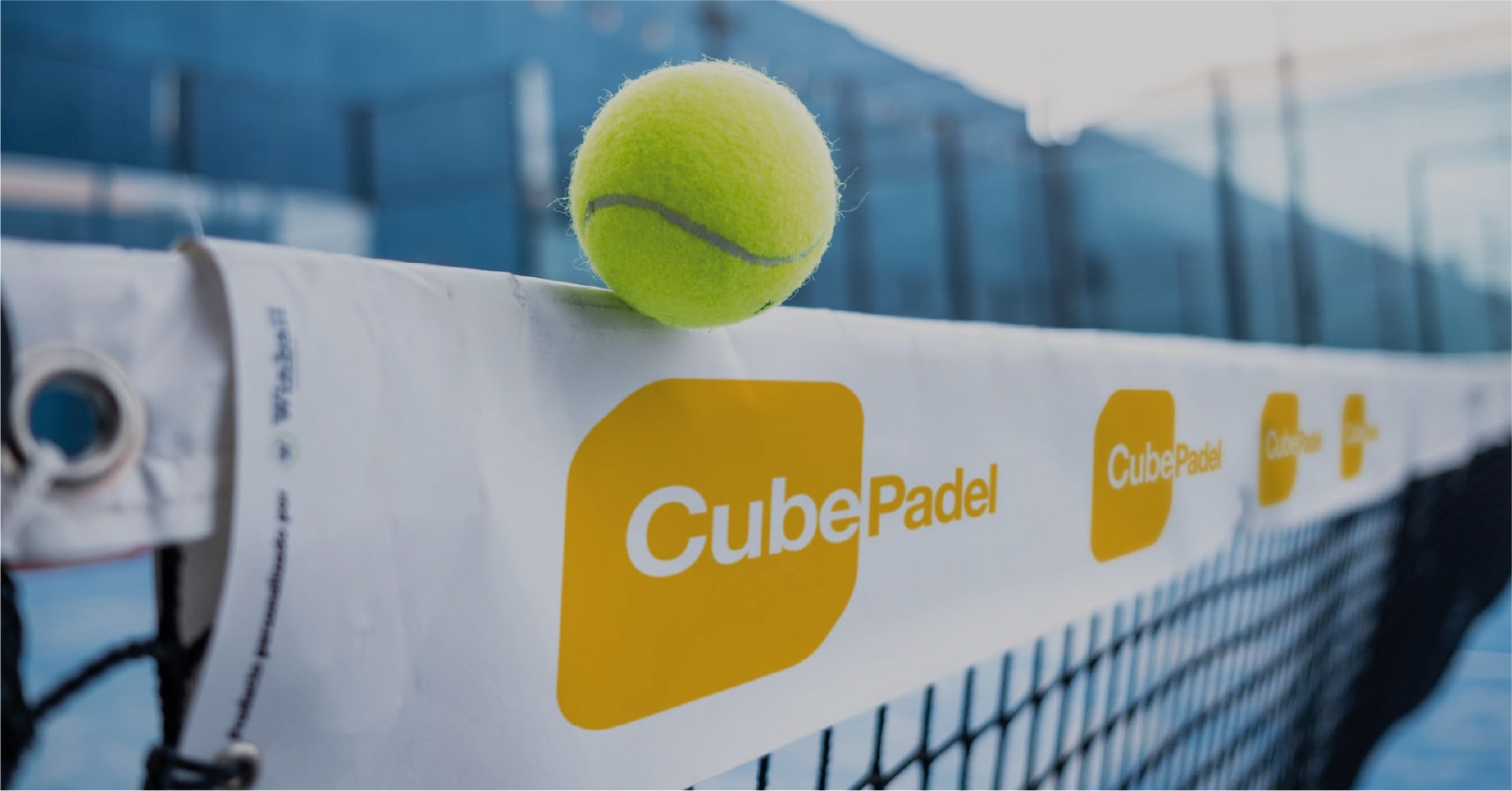
Cube Padel Chicago
The original Cube — three indoor courts in a Back of the Yards warehouse retrofit. Pulls players from the Loop, Pilsen, and the southwest suburbs, and the climate-controlled setup keeps it running at full capacity through the Chicago winter.
Courts: 3 | Type: Indoor | Rating: 5.0★
Cube Padel Houston — Five Courts, 24/7
The Houston club is bigger. Five indoor courts at 7918 Breen Road on Houston's northwest side, close enough to Memorial and the Galleria to draw players from the city's wealthier neighborhoods.
Two things set this location apart. First, the courts are MejorSet — one of the higher-end panoramic court manufacturers. Second, the club runs 24 hours. Members can book a 5 a.m. or 11 p.m. slot, which is rare for any American racquet-sport facility and genuinely useful in Houston's summer heat, when midday outdoor play is brutal.
Houston's padel market is among the deepest in the country — ten active clubs and counting. Cube competes alongside indoor operators like iPadel Houston, Houston Padel Indoor, and TEMPO Padel & Pickleball Club. The full list is in our Houston padel guide.
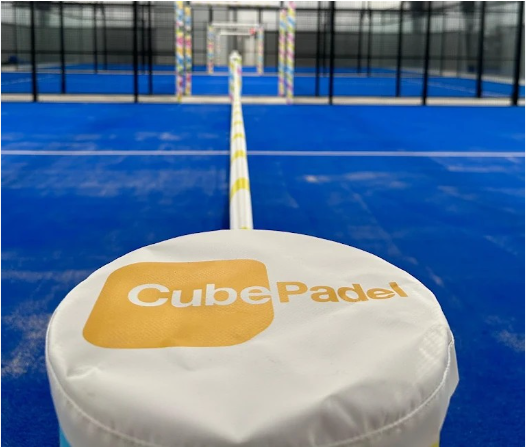
Cube Padel Houston
Five MejorSet courts under one roof, open 24 hours, climate-controlled year-round. The 35-foot ceilings give plenty of room for high lobs and overhead play, and the late-night booking windows draw players who can't make a traditional 7 p.m. slot.
Courts: 5 | Type: Indoor | Ceiling: 35ft | Rating: 5.0★
The Cube Format
Two clubs in two cities is a small sample, but Cube's playbook is already legible.
Pure padel. No tennis, no pickleball. The operational simplicity of running one sport — one court spec, one staff training program, one booking flow — is the brand's core thesis.
Warehouse-retrofit footprint. Both clubs are big-box conversions in industrial-adjacent neighborhoods. That keeps real-estate cost per court down compared to ground-up construction in premium corridors, and it lets the brand scale without competing with multi-sport racquet clubs for prime suburban land.
Premium courts, accessible pricing. Cube uses high-end panoramic court manufacturers and pairs them with walk-in pricing that works for newcomers, not just members. The positioning is deliberately middle-market: nicer than a community gym, less exclusive than a country club.
Why Chicago and Houston?
The choice of cities isn't an accident. Both metros share three things that make them strong padel markets.
Climate logic. Chicago winters and Houston summers both make outdoor courts unusable for months at a time, which pushes demand into indoor facilities and lets indoor operators capture year-round revenue.
Demographics. Both cities have large, growing Hispanic populations with cultural ties to a sport still largely imported from Spain, Argentina, and Mexico. US padel adoption has consistently moved faster in cities with strong Spanish-speaking communities.
Industrial real estate. Chicago's South Side and Houston's northwest have the affordable warehouse stock Cube needs for its retrofit model. Padel doesn't fit into a strip mall — it needs ceiling height, court depth, and parking, and both cities have all three.
What's Next for Cube
The Cube Padel website lists a Los Angeles location as "coming soon," which would make it the brand's third city and first West Coast outpost. Beyond that, the obvious watch list is the rest of the top-ten US padel metros — Dallas, Phoenix, Atlanta, and New York all fit the same template.
For now, Cube is a two-city brand with an LA opening on the horizon. That's a small footprint compared to a true national chain, but it's also one of the cleanest brand expansions in the US padel market: same product, same court spec, same booking experience, executed twice in the right cities.
If you're playing in either market, our Chicago padel guide and Houston padel guide have the full club lists. For the broader story on how the game is spreading across the country, our Midwest growth roundup and our Texas padel directory are good follow-ons.
Frequently Asked Questions
Continue Reading
The Hive Padel Club Opens in Salt Lake City With 5 Courts
The Hive Padel Club Opens in Salt Lake City With 5 Courts
The Hive Padel Club opened on Saturday, September 26, 2026, on Salt Lake City's west side with five indoor climate-controlled courts. Here is what it costs, what else is in the building, and why the widely repeated claim about an outdoor court is wrong.
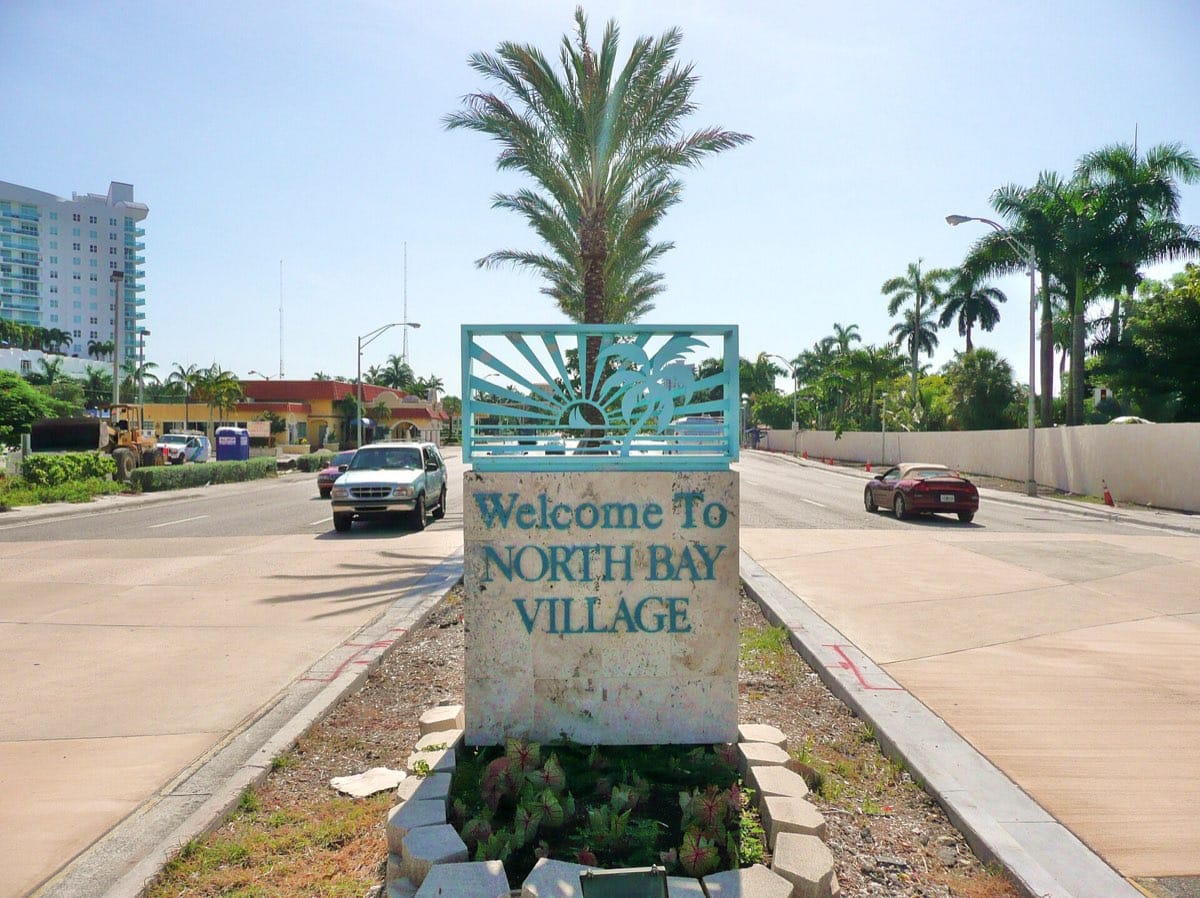
Free Padel in Miami-Dade: North Bay Village's 4 Courts
Free Padel in Miami-Dade: North Bay Village's 4 Courts
Miami-Dade's first free-to-play padel courts opened in late August at North Bay Village's AFA International Center. Four outdoor courts, free for residents from noon to 5 PM daily, booked through Playtomic. Here is how the residency gate works and what non-residents can expect.
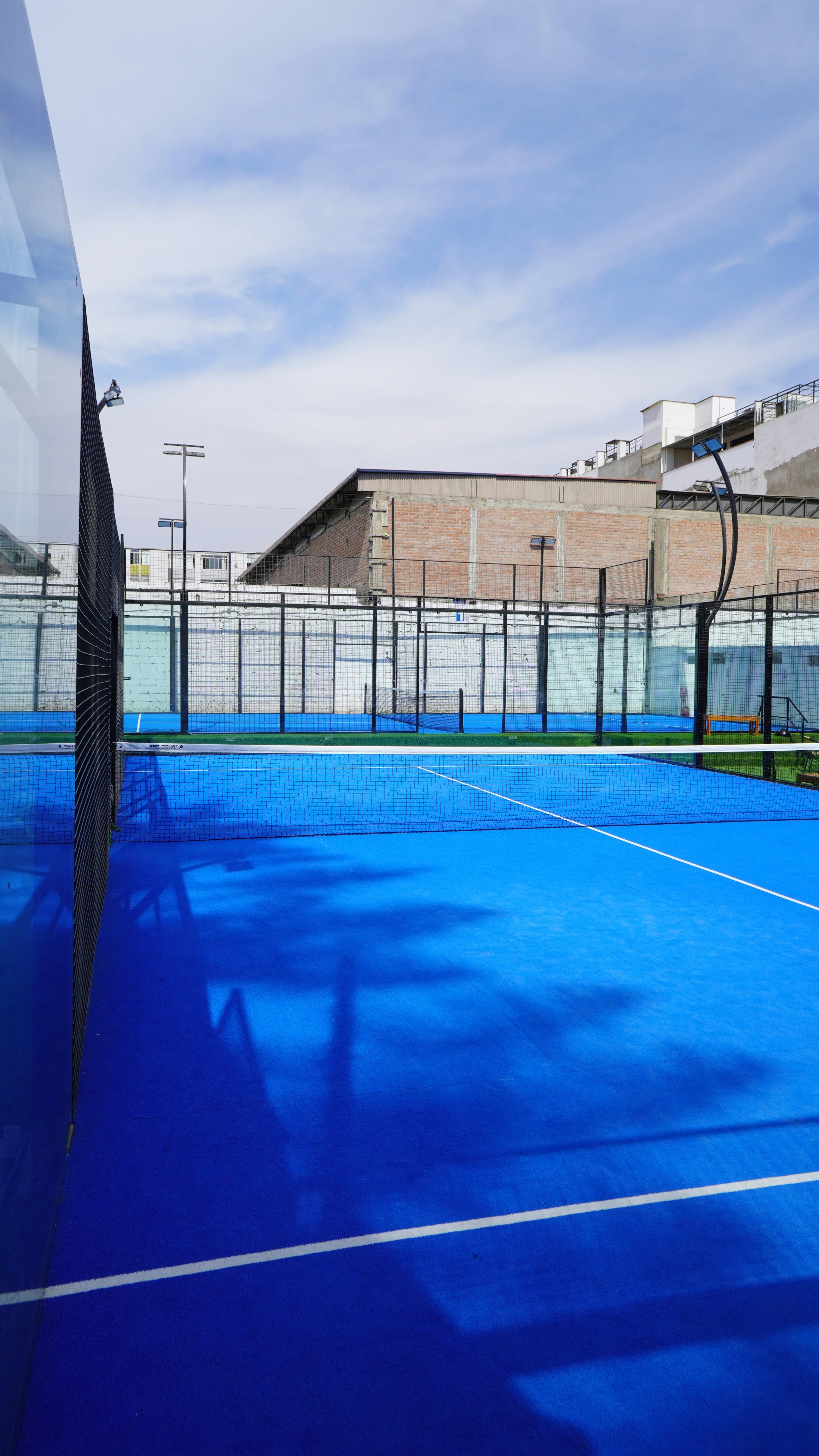
Padel on the Docks: Safe Harbor San Juan's Two Courts
Padel on the Docks: Safe Harbor San Juan's Two Courts
Puerto Rico's most unusual padel courts sit on a working superyacht pier in the Port of San Juan, a short walk from Old San Juan. We verified the courts against Safe Harbor's own photos — but who can actually book them is still an open question.